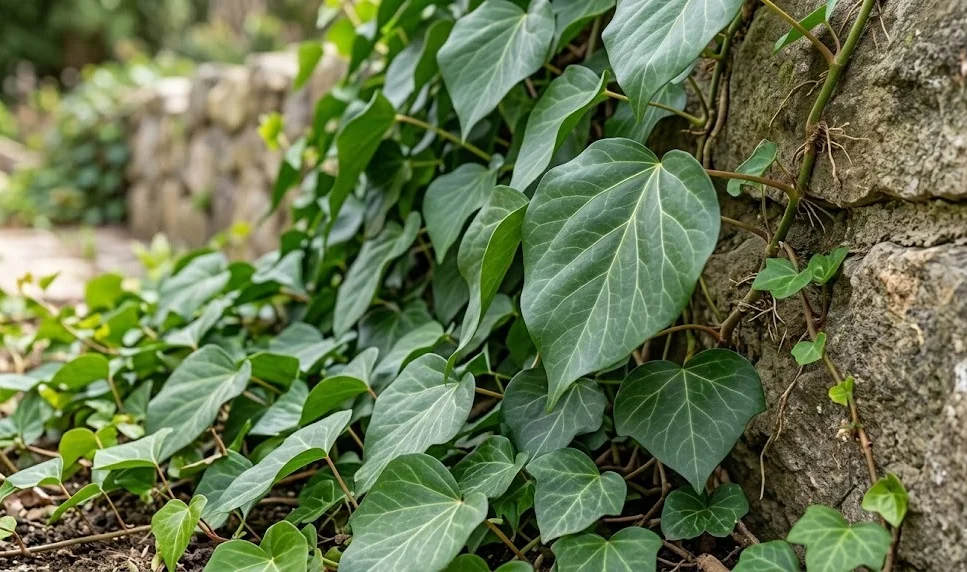

To maintain the shape, health, and manageable size of your vigorous evergreen climber, regular pruning and trimming are absolutely essential tasks. You should view pruning not just as a way to control growth, but also as a means to rejuvenate the plant and ensure that it remains a beautiful asset to your landscape. This species is very forgiving and responds well to cutting, allowing you to guide its development with confidence and precision. By following a few simple professional techniques, you can keep even the most energetic vine from becoming a tangled and unmanageable mess.
The best time for a major pruning session is usually in the early spring, just before the plant begins its main flush of new growth. You should also be prepared to do light trimming and maintenance throughout the growing season to keep the vines from encroaching on windows, gutters, or other plants. Regular attention prevents the need for drastic and potentially stressful heavy pruning later on, making the overall care of the plant much easier for you. You will find that a little bit of work done frequently is far better for the ivy’s appearance than one massive cut every few years.
When you prune, you should always use clean, sharp tools to ensure that your cuts are neat and do not crush the sensitive stem tissues. This encourages the plant to heal quickly and reduces the risk of introducing diseases into the open wounds you have created. You should also take the opportunity to remove any dead, diseased, or damaged wood that you find buried within the thick canopy of leaves. This internal cleaning improves the air circulation and light penetration, which are key factors in maintaining long-term foliage health and density.
In the sections below, we will discuss the best tools for the job and the specific techniques you can use to achieve different aesthetic results. Whether you want a perfectly flat green wall or a more natural and cascading look, your pruning strategy will be the primary tool at your disposal. You will also learn how to handle an overgrown plant that needs significant rejuvenation to bring it back to its former glory. With a consistent and thoughtful approach to trimming, your Persian ivy will remain a stunning and well-behaved part of your garden for many years.
Selecting and maintaining pruning tools
The quality of your tools directly affects the health of your plant and the ease with which you can perform your maintenance tasks. You should invest in a high-quality pair of bypass pruners for most of your detailed work, as these provide a clean, scissor-like cut that is ideal for green stems. For thicker, woody stems on older plants, a pair of sharp loppers will provide the necessary leverage to make clean cuts without straining your hands. You may also find a set of garden shears useful for formal shaping and maintaining a smooth surface on a large ivy wall.
More articles on this topic
Keeping your tools clean and sharp is just as important as choosing the right ones in the first place. You should wipe your blades with a disinfecting solution, such as rubbing alcohol or a mild bleach mixture, after working on each plant to prevent the spread of pathogens. This is particularly important if you have been removing any diseased or suspicious-looking wood from your ivy or other garden inhabitants. Regularly sharpening the blades with a whetstone or a dedicated sharpening tool will ensure that every cut you make is effortless and precise.
For very large or high-climbing plants, you might also need a sturdy ladder and perhaps a long-reach pole pruner to access the furthest stems safely. You should always prioritize your own safety when working at heights, ensuring that your ladder is on stable ground and that you have someone nearby to assist if needed. Avoid the temptation to overreach, as this is when most garden accidents occur during the pruning season. If the job seems too big or dangerous, it is always a good idea to call in a professional tree or garden service to handle the high-altitude maintenance.
After you have finished your pruning for the day, you should clean any sap or debris from your tools and apply a light coat of oil to the metal surfaces to prevent rust. Proper tool care ensures that your equipment will last for many years and be ready for action whenever your ivy needs a little bit of attention. You will find that having the right tools in good condition makes pruning a much more satisfying and productive part of your gardening routine. Your plant will also thank you for the clean, healthy cuts that allow it to recover and grow back more vigorously than ever.
Timing and techniques for pruning
While you can do light tidying at almost any time of the year, the main structural pruning should be timed to work with the plant’s natural growth cycles. You should aim for late winter or early spring for your most significant cuts, as the plant is still dormant but about to enter its most active phase. This timing allows the ivy to quickly cover any bare patches created by pruning with a fresh flush of new, vibrant leaves. You will find that the plant responds to this spring cleaning with a renewed energy and a more uniform growth pattern throughout the season.
More articles on this topic
When you are trimming to maintain the shape of the plant, you should always cut back to just above a leaf node or a side branch. This prevents leaving “stubs” of dead wood that can become entry points for pests and diseases and look unsightly as they dry out. If you want to encourage the ivy to become denser and more compact, you can pinch back the tips of the youngest shoots throughout the spring and summer. This simple technique stimulates the dormant buds further down the stem to break and create new lateral branches, leading to a much bushier appearance.
For ivy that is growing as a groundcover, you may want to use garden shears to create a neat edge along paths or lawn borders. You should do this regularly to prevent the vines from wandering into areas where they are not wanted and potentially smothering other, smaller plants. If the groundcover becomes too thick or matted, you can occasionally thin out the oldest stems to allow more air and light into the center of the patch. This helps keep the entire area healthy and prevents the build-up of old, dead foliage that can become a fire hazard in dry climates.
You should also be aware of the “directional pruning” technique, where you choose which way the plant will grow by selecting specific buds to leave behind. If you want the ivy to climb higher, prune back to a bud that is pointing upward; if you want it to spread horizontally, choose buds that are facing sideways. This level of control allows you to custom-fit the plant to your specific garden structures and architectural features. By being mindful of these small details, you can turn a simple climber into a sophisticated and well-integrated piece of living art.
Rejuvenating overgrown plants
Occasionally, you may inherit a garden with a Persian ivy that has been neglected for many years and has become an overgrown and unmanageable thicket. You should not be intimidated by this, as this species is incredibly resilient and can be brought back to a beautiful state with some firm and systematic pruning. The best approach for a total rejuvenation is to prune the entire plant back quite hard in the early spring, sometimes even cutting it back to within thirty centimeters of the main trunk or the ground. This drastic measure may look alarming at first, but it will stimulate a massive amount of healthy new growth from the old wood.
After a heavy rejuvenation pruning, you should provide the plant with some extra care in the form of deep watering and a balanced application of fertilizer. This gives the vine the resources it needs to rebuild its entire canopy and recover from the stress of losing so much of its foliage. You will be amazed at how quickly the new stems emerge and begin to cover the area with fresh, glossy leaves that look much better than the old, tired ones. Within a season or two, your neglected ivy will be transformed into a vibrant and well-behaved feature once again.
If you are working with an ivy that is covering a structural wall, you should check the condition of the surface as you remove the excess growth. This is the perfect time to make any necessary repairs to mortar or wood that may have been hidden under the dense curtain of vines for years. You can then carefully train the new growth as it emerges, ensuring that it only goes where you want it to and doesn’t repeat the mistakes of the past. A fresh start is often the best way to regain control of your landscape and enjoy the full beauty of this impressive climber.
Finally, remember that pruning is a continuous process of observation and adjustment rather than a one-time event you have to get perfect. You should feel free to experiment with different techniques and shapes until you find what works best for your specific garden style and needs. Every cut you make is a lesson in how the plant grows and responds to your care, making you a more skilled and confident gardener over time. Your Persian ivy is a long-lived and loyal companion that will reward your pruning efforts with a lifetime of beautiful, evergreen service.