
Post-bloom deadheading and energy
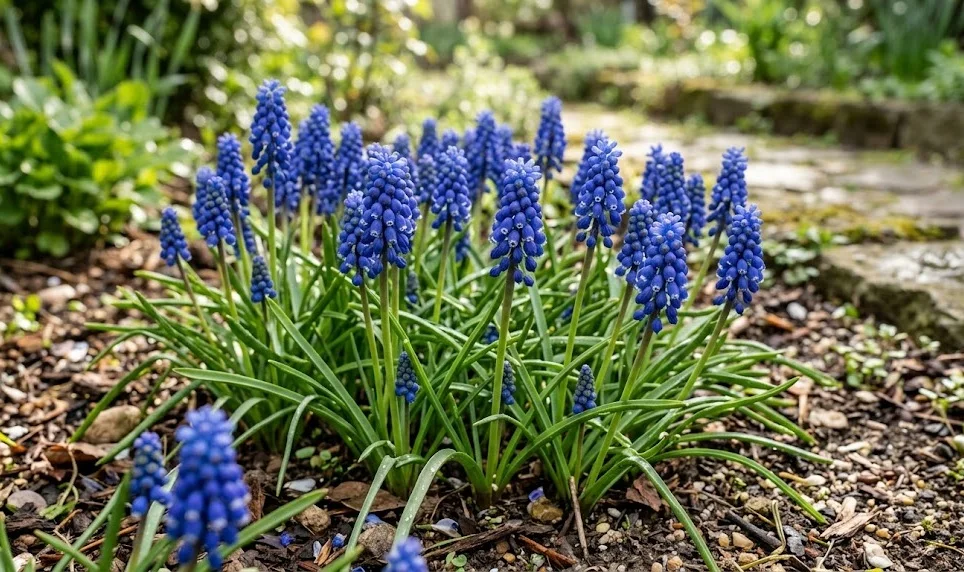
Pruning Armenian grape hyacinths is a straightforward task that focuses primarily on deadheading and managing the foliage after the flowering season has concluded. You should remove the spent flower spikes once they have turned brown and the individual florets have lost their vibrant blue color. This practice, known as deadheading, prevents the plant from putting energy into seed production and redirects it back down into the bulb. By cutting the flower stem at its base, you ensure that the bulb remains vigorous and better prepared for next year’s display.
When you perform deadheading, it is important to use a sharp pair of garden snips or small pruning shears to make a clean cut. You should avoid pulling the stems out by hand, as this can accidentally dislodge the bulb or damage the surrounding foliage. A clean cut also minimizes the risk of introducing pathogens into the plant tissue through ragged wounds. This simple act of garden hygiene is a fundamental part of maintaining a professional-looking and healthy landscape.
While deadheading is beneficial for the bulb’s energy reserves, some gardeners choose to leave a few flower spikes if they want the plants to self-seed. You should weigh the desire for a larger colony against the goal of having the largest possible individual blooms next year. A compromise is often the best approach, where you deadhead the most visible parts of the drift while leaving some stems in less prominent areas. This balanced strategy allows for natural expansion while still supporting the health of the existing bulbs.
The timing of deadheading is also important; you should try to do it before the seed pods begin to swell significantly. Once the plant has committed to seed production, much of the season’s energy has already been diverted away from the bulb. Making a quick pass through your garden every few days during the end of the blooming period is an efficient way to keep up with this task. Consistent care during this transitional phase is a hallmark of an expert and attentive gardener.
Foliage care and natural senescence
The most critical rule of pruning these bulbs is to never cut back the green foliage, no matter how untidy it might appear. You must allow the leaves to remain on the plant until they have completely yellowed and become brittle to the touch. These leaves are the plant’s only way to perform photosynthesis and create the chemical energy needed for its survival during dormancy. Cutting the leaves too early is the most common reason why bulb colonies fail to bloom in subsequent years.
More articles on this topic
If the sight of the declining foliage bothers you, there are professional ways to mask it without harming the health of the bulbs. You should consider planting your hyacinths among other perennials like hostas, ferns, or daylilies that emerge later in the spring. As these companion plants grow, their larger leaves will naturally cover the yellowing foliage of the hyacinths. This “interplanting” technique creates a seamless transition in your garden beds and keeps the landscape looking tidy and intentional.
You should also avoid the common practice of braiding or tying the foliage together into knots, as this reduces the surface area available for sunlight. This practice restricts the plant’s ability to produce energy and can also trap moisture within the clump, leading to rot. Leaving the leaves to sprawl naturally is the best thing you can do for the long-term health of your bulb collection. Patience during this phase of the plant’s life cycle is a virtue that will be rewarded with spectacular blooms next spring.
Once the foliage has turned completely brown and detaches easily from the bulb with a gentle tug, you can safely remove it and add it to your compost pile. You should clear the area of all dead material to prevent it from providing a hiding place for pests like slugs over the summer. A clean garden bed is not only more attractive but also much healthier for the dormant bulbs resting beneath the surface. Following this natural cycle of growth and decay is the essence of professional horticultural care.
Tool maintenance and safety
Keeping your pruning tools in top condition is essential for the health of your plants and the ease of your gardening tasks. You should sharpen your shears regularly to ensure that every cut you make is clean and doesn’t crush the delicate plant stems. Dull tools can tear the tissue, creating entry points for fungi and bacteria that can lead to serious diseases. Investing in high-quality stainless steel tools and keeping them well-maintained is a wise decision for any serious gardener.
More articles on this topic
Disinfecting your tools after each use is another professional habit that prevents the cross-contamination of your garden. You should wipe the blades with a solution of isopropyl alcohol or a specialized garden disinfectant between different plants. This is especially important if you have identified any diseased individuals in your collection that need to be removed. A commitment to cleanliness in your gardening practice shows a deep respect for the living organisms in your care.
You should also prioritize your own safety while working in the garden by wearing appropriate gloves and using ergonomic tools. While Armenian grape hyacinths are not particularly toxic, some people can experience mild skin irritation from handling the bulbs or the sap. Wearing gloves protects your hands from scratches and keeps them clean while you work in the soil. Taking care of yourself ensures that you can continue to enjoy and maintain your garden for many years to come.
Finally, store your tools in a dry, organized place to prevent rust and damage when they are not in use. You should clean off any soil or plant debris before putting them away to keep the blades in peak condition. A professional gardener’s toolkit is a reflection of their dedication to the craft and their commitment to excellence in every task. By combining the right tools with the right techniques, you ensure that your pruning and deadheading efforts lead to a thriving and beautiful garden.