
The art of pruning and deadheading is essential for maintaining the aesthetic appeal and long-term vitality of mealycup sage. By strategically removing spent blooms and old growth, you can stimulate the plant to produce a continuous succession of vibrant blue flowers. This professional guide details the timing and techniques required to keep your plants looking their best from the first spring flush until the end of the season. Mastering these simple horticultural tasks will transform a standard garden display into a professionally managed landscape that thrives for many months.
Essential tools and timing
Having the right tools is the first step toward successful pruning, as clean and sharp blades prevent unnecessary damage to the plant’s delicate stems. You should use a high-quality pair of bypass pruners or sharp garden scissors for the most precise cuts on the relatively thin stems of the sage. It is important to sterilize your tools with alcohol or a mild bleach solution before you begin and between different plants in the garden. This professional habit prevents the accidental spread of diseases and ensures that the cuts heal quickly and cleanly.
The timing of your pruning activities depends on the specific goals you want to achieve for your mealycup sage throughout the growing year. In the early spring, pruning is focused on removing dead winter growth and shaping the plant as it begins its new cycle. During the summer, the focus shifts to deadheading to maintain the floral display and prevent the plant from wasting energy on seed production. Understanding this seasonal rhythm allows you to work with the plant’s natural tendencies for the best possible results in your garden.
Late autumn pruning is often done to tidy up the garden bed and prepare the plants for the coming winter months. You should wait until the plant has naturally begun to decline and the flowers have faded before performing this final cleanup. However, avoid cutting the stems back too aggressively in very cold climates, as the remaining structure can provide some protection for the crown. A light touch during the fall ensures that the plant remains resilient and ready for the challenges of the dormant season.
Regularly scheduled pruning sessions, perhaps once every week or two, make the task much more manageable and less stressful for both you and the plant. Instead of waiting for the entire plant to look untidy, you can simply snip off a few fading spikes each time you walk through the garden. This consistent approach keeps the plants looking fresh and prevents the buildup of old, woody material that can slow down new growth. Professional gardeners find that these frequent, minor adjustments are the secret to a high-quality and long-lasting floral display.
More articles on this topic
Deadheading techniques for continuous bloom
Deadheading is the practice of removing faded flowers to encourage the plant to continue blooming rather than putting its energy into making seeds. For mealycup sage, you should follow the flower spike down to the first set of healthy, full-sized leaves and make your cut just above that point. This signals the plant to activate the dormant buds located in the leaf axils, which will soon grow into brand-new flower spikes. This simple cycle can be repeated many times throughout the summer to extend the beauty of your garden.
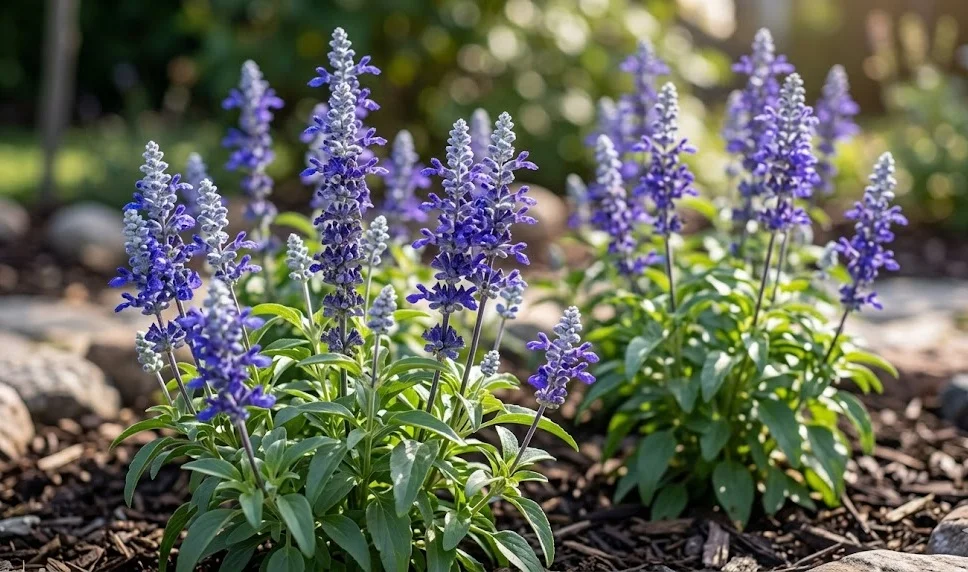
The visual impact of a well-deadheaded garden is immediate, as the removal of brown and withered spikes allows the vibrant blue of the fresh flowers to shine. You should look for the first signs of the lower flowers on a spike turning brown as an indicator that it is time to prune. If you wait too long, the plant will begin to look messy and the production of new buds will naturally start to slow down. Being proactive with your deadheading ensures that there is never a gap in the color provided by your sage plants.
In addition to improving the appearance, deadheading also helps maintain the structural integrity and compact habit of the mealycup sage. By cutting back to a lower set of leaves, you keep the plant from becoming too tall and floppy under the weight of its own blooms. This is especially important in windy locations or where the plants are not supported by nearby vegetation or stakes. A well-managed plant is much more likely to remain upright and attractive even during the most intense summer storms.
If you find that your plants have become very overgrown or have stopped flowering despite deadheading, you might need to perform a more significant “refresh” cut. You can take the entire plant back by about a third of its height to stimulate a completely new flush of growth from the base. While this might temporarily reduce the number of flowers, the plant will return with even more vigor and a much tidier shape in just a few weeks. This professional rejuvenation technique is a great way to handle the mid-summer slump that can affect many perennials.
More articles on this topic
Rejuvenation and hard pruning
Hard pruning is a more intensive technique used to revitalize older plants or to prepare them for a new phase of the growing season. In the early spring, you should cut back the remains of the previous year’s growth to just a few inches above the ground level. This allows the sun to reach the crown of the plant and encourages the emergence of strong, healthy new shoots from the base. Starting each season with this clean slate ensures that your sage never becomes too woody or sparse in the center.
During the peak of a very long and hot summer, a hard prune can act as a “reset” button for plants that have become tired or stressed by the heat. By cutting back the stems significantly, you reduce the amount of foliage the roots have to support during the most difficult part of the year. This allows the plant to focus on building strength in its root system and preparing for a final, spectacular show of flowers in the cooler days of autumn. Many professional landscapers use this strategy to ensure their garden displays remain vibrant right up until the first frost.
When performing a hard prune, it is important to ensure that the plant is well-hydrated and has been receiving adequate nutrients to support its recovery. You should water the plants deeply a day before pruning and provide a light application of fertilizer immediately afterward to fuel the new growth. Avoid performing a hard prune during a period of extreme drought or when the plants are already suffering from a significant pest or disease issue. Providing this extra care during the transition phase ensures that the plant returns more beautiful than it was before.
Observing the response of your plants to different levels of pruning will help you refine your techniques for your specific garden environment. You might find that some varieties respond better to a light touch, while others thrive when they are cut back more aggressively. Keeping a journal of your pruning activities and the subsequent growth patterns will make you a much more effective and confident gardener over time. Professional success in the garden is built on this foundation of experience and a willingness to try new approaches.
Shaping for aesthetic and health
Pruning is not just about removing dead material; it is also a creative process used to shape the plant and integrate it into the larger garden design. You can use your shears to encourage a more rounded, bushy habit that fits perfectly in a formal border or a structured agricultural display. By selectively removing the most outer stems, you can control the overall spread of the plant and keep it from encroaching on its neighbors. This level of detail makes the garden feel intentional and professionally maintained rather than wild and overgrown.
Good pruning also improves the health of the plant by increasing light penetration and air circulation throughout the entire canopy of leaves. By removing crowded or crossing stems, you ensure that every part of the plant can photosynthesize effectively and that moisture can evaporate quickly. This is one of the most effective natural ways to prevent the buildup of powdery mildew and other fungal issues that thrive in stagnant conditions. A well-pruned plant is naturally more resilient and better able to defend itself against the challenges of the environment.
When shaping your sage, always keep the natural form of the species in mind to ensure that your results look graceful and appropriate. Mealycup sage has a naturally upright and somewhat architectural habit that should be respected rather than fought against. Your goal should be to enhance this natural beauty rather than trying to force the plant into an unnatural shape like a formal hedge or a ball. Understanding the inherent “character” of the plant is what distinguishes a professional gardener from a casual observer.
Finally, the joy of pruning and deadheading comes from the intimate connection you build with your plants as you care for them throughout the season. You will become familiar with the unique growth patterns of every specimen and learn to anticipate their needs before problems arise. Seeing the immediate results of your labor in the form of a tidier garden and more vibrant flowers is incredibly rewarding. With these techniques in your horticultural toolkit, you can ensure that your mealycup sage remains a highlight of your landscape for years to come.