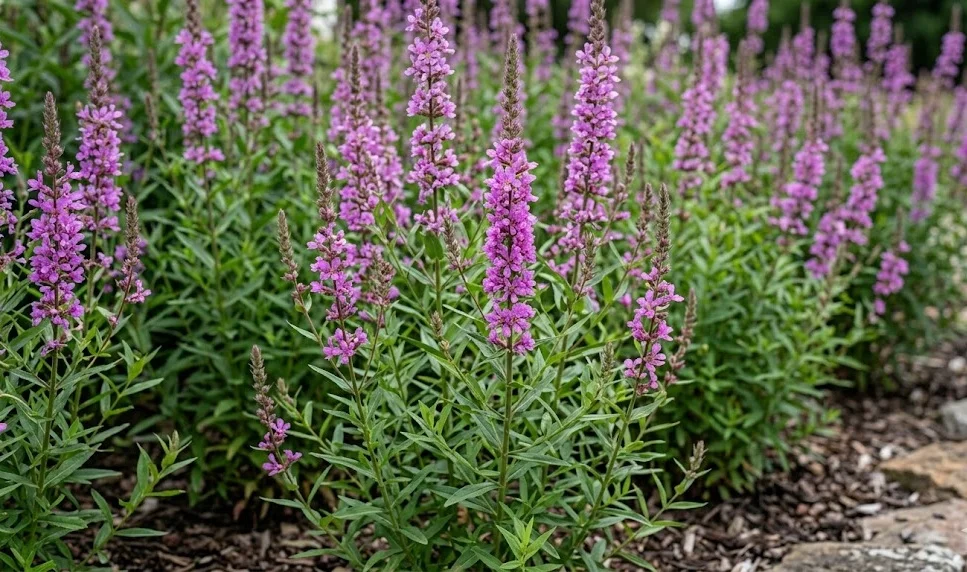

Maintaining the tidy appearance and long-term health of your perennials requires a professional approach to pruning and annual cutbacks. Pruning is not just about aesthetics, but also about encouraging new growth and preventing the spread of various garden problems. For wand loosestrife, the timing and technique of your cuts can significantly influence the plant’s performance in both the current and future seasons. Mastering these skills allows you to keep your landscape looking its best and ensures that your plants remain vigorous for many years.
There are several different types of pruning that you will perform throughout the year, from light deadheading in the summer to a major cutback in the late autumn or spring. Each of these tasks has a specific purpose and requires the right tools to be done effectively and safely for the plant. Using sharp, clean shears is essential for making clean cuts that heal quickly and do not invite disease into the stems. A professional gardener always takes pride in their tools and the precision of their work.
Deadheading, which is the removal of spent flower spikes, is one of the most important summer maintenance tasks for any blooming perennial. By cutting off the old flowers before they can produce seeds, you direct the plant’s energy back into its root system and toward the production of new growth. This can often result in a second flush of smaller flowers, extending the season of interest in your garden. It is a simple and rewarding task that keeps your garden looking fresh and well-cared-for all summer long.
The annual cutback is a more substantial task that involves removing all the stems from the previous year to make way for new growth. This is a fundamental part of the life cycle of many hardy perennials and helps to refresh the plant and keep it looking its best. Whether you choose to do this in the autumn or the spring, it is a key moment in the gardening year that marks the transition between seasons. Following professional guidelines for these tasks ensures that your wand loosestrife will continue to be a highlight of your garden.
Summer deadheading techniques
To get the most out of your flowering season, you should begin deadheading as soon as the first spikes of flowers start to fade and lose their color. Using a sharp pair of bypass pruners, follow the flower stem down to a point just above the first set of healthy green leaves. Making the cut at this location encourages the plant to produce new side shoots that may eventually carry more flowers. This simple practice keeps the plant looking tidy and prevents it from putting all its energy into seed production.
More articles on this topic
Consistency is key when it comes to deadheading, and you should aim to walk through your garden once or twice a week to check for spent blooms. This regular attention prevents the plant from ever looking neglected and ensures that it remains a vibrant and attractive part of your landscape. It is also a great time to observe the overall health of your plants and check for any signs of pests or diseases. Many professional gardeners find this type of routine maintenance to be one of the most relaxing and enjoyable parts of the craft.
If you are growing a large number of plants, you may find it easier to wait until a majority of the spikes have faded before doing a more thorough pass with your shears. While individual attention is always best, this more efficient approach can still yield great results in a busy landscape. Just be sure to act before the seed heads have fully matured if you want to prevent self-seeding in your garden beds. Professional gardening is often about finding the right balance between perfection and practicality in your daily routine.
Don’t be afraid to be a bit bold with your shears when you are deadheading, as wand loosestrife is a very resilient and fast-growing plant. If the plant is starting to look a bit leggy or overgrown, you can cut the stems back a bit further to encourage a bushier and more compact habit. This type of light summer pruning helps to maintain the shape of the plant and keeps it within its allotted space in the garden. Your goal is always to support the plant’s natural beauty while keeping it healthy and well-managed.
Annual cutbacks and rejuvenation
As the cold weather of late autumn sets in and the foliage of your perennials turns brown, it is time to think about the annual cutback. Many professional gardeners prefer to cut the entire plant down to within two or three inches of the ground at this time of year. This removes the old, dead material and leaves the garden bed looking clean and organized for the winter months. It also eliminates the hiding spots for many pests and reduces the chances of fungal spores overwintering on the stems.
More articles on this topic
If you prefer to leave the stems standing for winter interest or to provide habitat for wildlife, you can simply delay your cutback until the early spring. You should aim to finish this task before the new green shoots start to emerge from the crown of the plant to avoid damaging them. Using a sturdy pair of garden shears or even a small saw for older, woodier clumps will make the job much easier. A professional spring cleanup is a wonderful way to welcome the new growing season into your garden.
Every few years, you may notice that the center of your perennial clumps is becoming a bit thin or woody, which is a sign that the plant needs rejuvenation. A very hard cutback, followed by dividing the root ball, is the best way to breathe new life into an aging specimen. This process of renewal encourages fresh, vigorous growth from the base and ensures that the plant remains healthy for many more years. Professional gardeners see these tasks as an essential part of the long-term stewardship of their landscapes.
Disposing of the old stems and leaves in a responsible way is the final step in your annual cutback routine. If the material is healthy, it can be shredded and added to your compost pile to create valuable organic matter for future use. However, if you noticed any signs of disease during the growing season, it is better to dispose of the material through your municipal green waste program. A professional approach to garden waste management helps to keep your entire landscape healthy and free of recurring problems.
Tools and safety for pruning
Using the right tools for the job is a fundamental principle of professional gardening and ensures the best results for both you and your plants. A high-quality pair of bypass pruners is the most important tool for most pruning and deadheading tasks in the perennial garden. These shears work like scissors, making a clean and precise cut that heals much more quickly than the crushing cut of an anvil-style pruner. Investing in a good pair of tools and keeping them sharp is a mark of a dedicated and professional gardener.
Keeping your tools clean is equally important, as dirty blades can easily spread diseases from one plant to another as you move through the garden. You should wipe your shears with a bit of rubbing alcohol or a mild bleach solution after working on any plant that shows signs of illness. Regular maintenance, such as oiling the moving parts and sharpening the blades, will also extend the life of your tools and make your work more efficient. A professional gardener’s toolkit is always well-maintained and ready for action.
Safety should always be a priority when you are working with sharp tools or in a dense garden environment. Wearing a good pair of gardening gloves protects your hands from scratches and blisters and provides a better grip on your shears. You should also be mindful of your posture while you are pruning to avoid straining your back or shoulders during long sessions in the garden. Taking frequent breaks and staying hydrated are simple but important habits for any professional-level outdoor worker.
By following these professional guidelines for pruning and cutting back your wand loosestrife, you will ensure a beautiful and healthy display year after year. Every cut you make is an opportunity to shape the future of your garden and support the natural vitality of your plants. Pruning is a rewarding craft that allows you to connect deeply with the plants in your care and create a truly stunning landscape. Enjoy the process and take pride in the expert care you provide to your garden.