
Maintaining the tidy appearance and health of the wood sorrel involves occasional pruning and the removal of spent growth. Unlike many garden plants, this woodland species does not require extensive cutting back to maintain its form. A professional approach to pruning is one of “less is more,” focusing on the removal of damaged tissues and the promotion of a natural look. By following these simple guidelines, you can keep your wood sorrel patch looking its best with very little effort.
The primary reason to prune the wood sorrel is to remove dead or diseased foliage that can detract from the plant’s beauty and harbor pests. Since the plant is low-growing and delicate, this is usually a task performed by hand or with a small pair of snips. Regular cleaning of the planting area ensures that the lush green carpet of heart-shaped leaves remains the focus of the display. This also helps to improve air circulation within the colony, which is important for preventing the fungal issues discussed in earlier chapters.
Pruning can also be used to manage the spread of the plant and keep it within its designated boundaries in the garden. If the wood sorrel starts to encroach on other smaller or more delicate plants, you can easily thin the edges of the colony. Because it spreads via shallow rhizomes, removing unwanted parts of the plant is a quick and simple process that does not disturb the rest of the garden. This allows you to maintain a balanced and harmonious design even with plants that have a naturally expansive growth habit.
The timing of your pruning activities is important to ensure you do not interfere with the plant’s natural growth and flowering cycles. The best time for a general cleanup is in the early spring before the new growth starts to emerge from the soil. You can also perform light maintenance throughout the growing season to remove any yellowing leaves or spent flower stalks as they appear. Avoid heavy pruning in the late autumn, as the old foliage can provide some protection for the plant during the winter months.
Removing dead or damaged foliage
Spent or damaged leaves should be removed as soon as they are noticed to keep the plant looking vibrant and healthy. This is particularly important after a period of extreme weather, such as a heatwave or a sudden frost, which can cause some of the foliage to die back. Simply pinch off the affected leaves at the base of their stems using your fingers or a sharp pair of clean scissors. This small amount of regular attention will go a long way in maintaining the professional appearance of your woodland garden.
More articles on this topic
During the spring and summer, the plant will naturally produce new leaves to replace the older ones that have reached the end of their lifespan. These older leaves will often turn yellow and then brown before eventually drying up and falling to the ground. Removing them before they become fully dry can help prevent the buildup of debris around the base of the plant. This simple act of hygiene reduces the chances of pests like slugs and snails finding a comfortable place to hide and feed on your plants.
After the flowering period is over, you may want to remove the spent flower stalks to tidy up the appearance of the colony. While the plant will naturally drop its old flowers, the stalks can sometimes remain visible for a while and look a bit untidy. Cutting them back to the base of the plant will encourage the energy to be directed back into foliage production and rhizome development. This is also a good time to check the overall health of the plant and ensure it is not suffering from any hidden issues.
If you notice any signs of disease on the leaves, such as rust pustules or fungal spots, it is critical to remove and dispose of the affected material immediately. Do not add these diseased leaves to your compost pile, as the pathogens can survive the composting process and infect other parts of your garden. Instead, place them in the trash or burn them to ensure the disease is completely eliminated. Keeping your pruning tools clean and sterilized between use is another essential professional practice for preventing the spread of plant diseases.
Promoting denser growth patterns
While the wood sorrel naturally forms a relatively compact mat of foliage, you can encourage a denser and more lush appearance with a few simple techniques. Occasionally thinning out older or less vigorous parts of the colony can stimulate the production of new, vibrant growth from the remaining rhizomes. This rejuvenation process is best done in the early spring when the plant’s energy levels are high and it is ready to grow. By creating a bit of space, you allow more light and air to reach the center of the plant, promoting a healthier and more robust form.
More articles on this topic
Managing the light levels is another effective way to influence the density of the wood sorrel’s growth habit. As mentioned in the chapter on light, a plant grown in an environment that is too dark will become leggy and sparse. Moving the plant to a slightly brighter location or thinning the overhanging canopy can help it maintain its naturally compact and attractive shape. A well-lit (but shaded) wood sorrel will have shorter stems and more closely spaced leaves, creating a much more beautiful and effective groundcover.
Watering and fertilizing correctly also play a significant role in the overall density and vigor of the plant’s foliage. A plant that is consistently hydrated and receives a steady supply of low-level nutrients will always look better than one that is struggling. Avoid the high-nitrogen fertilizers that can lead to rapid but weak and floppy growth. Instead, focus on building a healthy soil environment that supports natural and sustainable development over the long term.
If you are growing wood sorrel in a container, you can pinch back the new growth to encourage branching and a fuller appearance. This is a common technique used for many indoor plants and works just as well for this woodland species. Simply nip off the tips of the growing stems once they have reached a few centimeters in length. This will signal the plant to produce more side shoots, resulting in a much more attractive and voluminous specimen for your home or garden.
Handling the plant after flowering
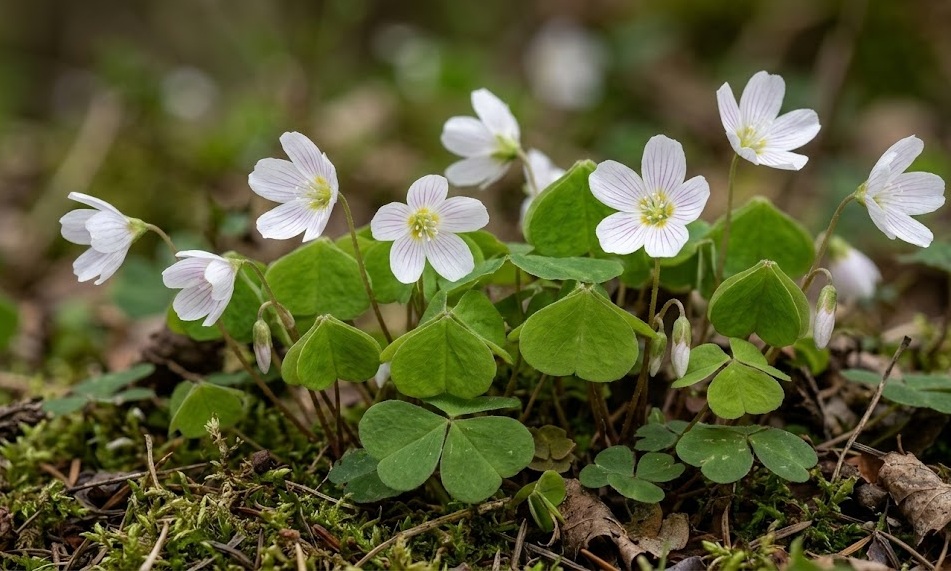
The wood sorrel produces its charming white flowers in the spring, adding a touch of elegance and beauty to any shaded garden spot. Once the flowering is over, the plant shifts its focus from reproduction back to foliage growth and the storage of energy in its rhizomes. This is a natural transition that requires very little intervention from the gardener, but a few simple tasks can help the process along. You should continue to provide consistent care in terms of watering and light as the plant enters this new phase of its yearly cycle.
Allowing some of the flowers to develop into seed capsules can be a great way to encourage the natural expansion of your wood sorrel colony. As discussed in the chapter on propagation, these seeds will be scattered when the capsules ripen and explode. If you prefer to keep the colony exactly where it is, you should remove the spent flower stalks before the seeds have a chance to mature. This is a matter of personal preference and depends on your goals for the garden and the specific design you are trying to achieve.
The post-flowering period is often the time when the foliage is at its most lush and beautiful, providing a wonderful green backdrop for other summer plants. You should take the opportunity to give the area a thorough cleaning and remove any weeds that may have started to grow among the sorrel. Maintaining a clear space around the plants will allow them to continue their expansion and prevent competition for water and nutrients. A clean and well-kept patch of wood sorrel is a sign of a professional and dedicated gardener.
As the season progresses toward autumn and the end of the growth cycle, the plant will slowly begin its preparation for winter. The pruning tasks will shift from maintaining the lush summer look to removing the yellowing leaves as the plant enters dormancy. This final cleanup of the year is a satisfying way to close out the growing season and prepare the garden for its winter rest. With the right pruning and maintenance throughout the year, your wood sorrel will remain a healthy and beautiful part of your garden for many seasons to come.