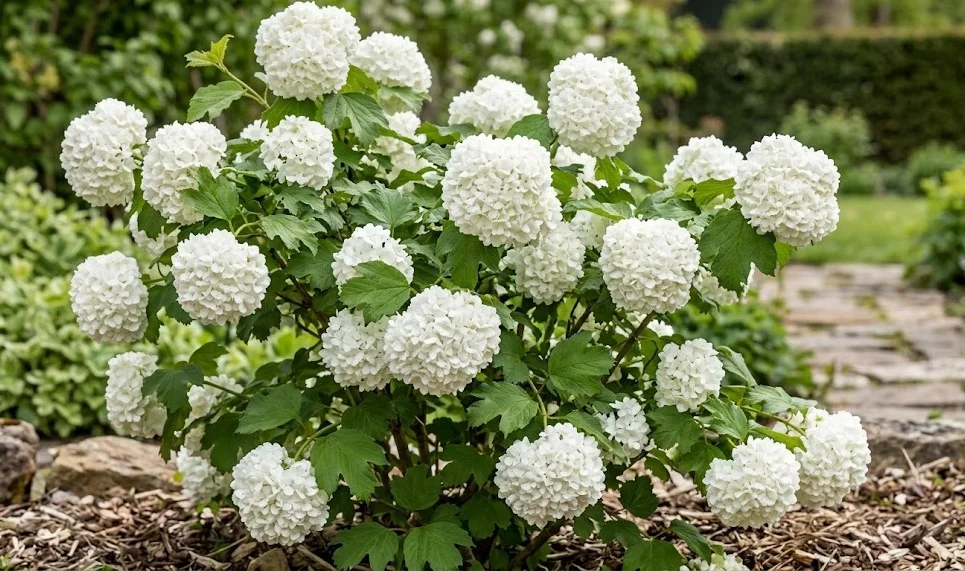

Pruning is one of the most effective tools in your gardening arsenal for maintaining the health, shape, and blooming potential of the snowball bush. Because this shrub is such a vigorous grower, it can eventually become overgrown or “leggy” if it isn’t given some regular attention with a pair of sharp shears. Proper pruning isn’t just about aesthetics; it also improves air circulation, removes damaged wood, and encourages the growth of fresh stems that will produce the best flowers. With a clear understanding of the timing and technique, you can keep your shrub looking its best for many decades.
The single most important rule to remember when pruning a snowball bush is that it blooms on “old wood,” which means the flower buds for next year are formed during the previous summer. If you prune the plant in the late winter or early spring, you will be cutting off all the buds that would have become this year’s beautiful white flowers. Therefore, the ideal time to perform any major cutting back is immediately after the current year’s flowers have begun to fade. This gives the plant the maximum amount of time to grow new stems and set buds before the following winter arrives.
Before you begin any pruning task, you should take a moment to step back and look at the overall natural shape and structure of the shrub. The goal of most pruning is to enhance the plant’s natural arching form rather than trying to force it into a rigid or artificial shape like a formal hedge. You should look for any dead, diseased, or crossing branches that might be causing problems for the overall health of the plant. A thoughtful, conservative approach is usually much better than aggressive cutting that might shock the plant or leave it looking sparse for several seasons.
Using the right tools and keeping them in top condition is also a vital part of successful pruning for any woody ornamental shrub. Sharp, clean bypass pruners are ideal for smaller branches, while a pair of loppers or a small folding saw may be needed for older, thicker stems near the base. Always make sure to clean your tools with alcohol or a mild bleach solution if you have been working on a diseased plant to prevent spreading the infection. Good technique combined with the right timing will ensure that your snowball bush responds with a burst of healthy new growth.
Basic pruning techniques for health
The first priority when pruning any shrub should always be the removal of the “three Ds”: dead, damaged, and diseased wood. These branches not only look unattractive but can also act as entry points for pests and further fungal or bacterial infections. You should cut these stems back to healthy wood, making your cut just above a vigorous bud that is facing outward from the center of the plant. This simple act of “cleaning up” the shrub can significantly improve its overall appearance and longevity with very little effort.
More articles on this topic
Thinning out the center of the snowball bush is another important technique for improving the air circulation and light penetration throughout the entire canopy. As the shrub grows, the interior can become a tangled mess of small, weak stems that don’t produce many leaves or flowers. By selectively removing some of the oldest or most crowded stems at the base, you allow more energy to reach the healthy, outer parts of the plant. This “opening up” of the interior makes the bush less susceptible to common issues like powdery mildew and leaf spot diseases.
When making a cut on a larger branch, you should always aim for a slight angle about half a centimeter above a healthy bud or a lateral branch. This ensures that water runs off the cut surface rather than sitting on it and potentially causing rot before the wound can callous over. Avoid leaving long “stubs” of wood, as these will simply die back and can become a site for infection to take hold. A clean, precise cut is much easier for the plant to heal and will lead to a much more attractive result as the new growth emerges.
Finally, you can use selective pruning to manage the overall size of the shrub if it is starting to overwhelm its space in your garden. Instead of “shearing” the entire outside of the plant, try to remove entire branches at their point of origin or cut them back to a major lateral stem. This preserves the natural, graceful look of the variety while still reducing its overall volume and footprint. A well-pruned snowball bush should look like it hasn’t been pruned at all, maintaining a soft and natural silhouette that enhances the beauty of your landscape.
Rejuvenating an old or overgrown shrub
If you have inherited a snowball bush that has been neglected for many years, it may be time for a more aggressive “rejuvenation pruning.” This involves removing about one-third of the oldest, thickest stems all the way to the ground each year for a period of three years. This process gradually replaces the old, unproductive wood with fresh, vigorous new growth without putting too much stress on the plant’s root system. By the end of the third year, you will have essentially a brand-new shrub that is much healthier and more productive than the original.
More articles on this topic
During this rejuvenation process, the plant will likely produce many fast-growing “water sprouts” or suckers from the base of the stems. While it’s tempting to leave all of them to fill in the space, you should select the strongest ones and remove the rest to ensure the plant doesn’t become too crowded again. This selective thinning of the new growth will help you shape the future structure of the shrub and ensure it has a strong foundation for years to come. It’s a bit like being an architect for your plant, guiding its development as it rebuilds itself.
A more extreme version of rejuvenation is “coppicing,” where the entire plant is cut back to within ten to fifteen centimeters of the ground in the early spring. While the snowball bush is hardy enough to survive this treatment, you must be prepared to lose at least one or two years of flowering while the plant regrows its structure. This method is usually a last resort for plants that are severely overgrown or have lost their attractive shape completely. If you choose this path, be sure to provide plenty of water and a bit of fertilizer to help the plant recover from the major shock.
Regardless of the method you choose, rejuvenation pruning should always be followed by a period of extra care and attention. The plant will be using a tremendous amount of energy to regrow its canopy, so consistent moisture and a good mulch layer are essential for its success. Watching an old, tired shrub transform into a vibrant and blooming masterpiece is one of the most rewarding experiences a gardener can have. With a little bit of patience and some careful work with the shears, you can breathe new life into any old snowball bush.
Maintaining the perfect bloom cycle
Because the snowball bush is primarily grown for its spectacular flowers, your pruning strategy should always keep the bloom cycle in mind. Any pruning done late in the summer or in the autumn will remove the buds that the plant has worked so hard to produce for the following spring. If you find that your shrub isn’t blooming as well as it used to, it may be because you are pruning at the wrong time or being too aggressive with your cuts. A light touch is often all that’s needed to keep the plant productive and beautiful year after year.
Deadheading, or removing the faded flower clusters after they have turned brown, can also be a part of your regular maintenance routine. While not strictly necessary for the health of the plant, it keeps the shrub looking tidy and prevents it from spending energy on producing seeds (if the variety is fertile). When deadheading, simply cut the flower stem back to the first pair of healthy leaves below the cluster. This small task can be done as you walk through your garden in the early summer, and it makes a big difference in the overall neatness of your ornamental beds.
If you enjoy bringing the beauty of the garden indoors, you can also consider your flower harvesting as a form of light pruning. When you cut those massive white snowballs for a vase, make your cuts at a point that encourages the plant to branch out in a desirable direction. This “pruning while picking” is a great way to manage the shape of the plant while enjoying its rewards in your home. Just remember to use sharp shears and to be mindful of the overall balance of the shrub as you select your blooms.
Ultimately, the goal of pruning your snowball bush is to create a plant that is healthy, structurally sound, and capable of producing an abundance of flowers. By working with the plant’s natural growth habit and timing your work to match its biological rhythm, you will achieve the best results. Gardening is a lifelong learning process, and every cut you make is an opportunity to understand your plants a little better. With a bit of practice and observation, you will become an expert at keeping your snowball bush in peak condition for a lifetime of enjoyment.