
Maintaining the size and shape of your climbing vine through regular pruning is an essential skill that keeps your plant healthy and looking its best. Many people are afraid to cut their plants because they worry about causing permanent damage or stopping the flowering process. However, when done correctly, pruning actually encourages more vigorous growth and can help you create a fuller, bushier specimen. Understanding the right way to use your shears will give you the confidence to manage even the most overgrown and unruly vines.
The most important rule to remember is to never remove the specialized flower spurs, even after the blossoms have fallen off. These small, woody structures are where the plant will produce new flowers year after year, and if you cut them off, you will lose those blooms forever. You should always look closely at the vine before making a cut to ensure you are not removing any potential flowering sites. Pruning should focus on the long, leafless vines or any areas where the plant has become too leggy or unbalanced.
You can also use pruning as a way to manage the size of your plant if it is starting to outgrow its space in your home. By selectively cutting back the longest vines, you can keep the plant within its designated area while still allowing it to look lush and green. This is also a great opportunity to remove any dead, yellow, or damaged leaves that might be draining the plant’s energy. A tidy plant is not only more attractive but is also less likely to harbor pests or diseases in its dense foliage.
Always use a sharp, sterilized pair of scissors or garden pruners to ensure that the cuts are clean and heal quickly. Dull tools can crush the stems, creating wounds that are more susceptible to infection and take longer to close. You should also have a clean cloth and some rubbing alcohol nearby to wipe your tools between cuts, especially if you are working on multiple plants. Good hygiene in the garden is just as important as it is in any other part of your home maintenance routine.
Choosing the best time to prune
The ideal time to perform any major pruning or shaping is in the early spring, just as the plant is starting to wake up from its winter rest. During this time, the plant has plenty of energy and will respond to the cuts by sending out new, healthy growth from the remaining nodes. You will find that the wounds heal much faster in the spring than they do in the autumn or winter when the plant’s metabolism is slower. Spring pruning sets the stage for a productive growing season and helps the plant maintain its vigor.
More articles on this topic
If you notice a vine that is growing in a completely wrong direction or is blocking a walkway, you can perform minor “emergency” pruning at any time of the year. Just try to keep these small adjustments to a minimum during the dormant winter months to avoid stressing the plant unnecessarily. For most maintenance tasks, a once-a-year session in the spring is all that is needed to keep your vine in perfect shape. This rhythmic approach to care allows the plant to grow naturally while still staying within your desired boundaries.
Avoid pruning your plant when it is actively blooming or when it is covered in developing flower buds. The plant is putting a huge amount of energy into the flowering process, and cutting back the vines at this time can cause the buds to drop or the flowers to fade prematurely. Wait until the blooming season is completely over before you bring out your shears for any significant shaping. Patience is rewarded with a longer-lasting floral display and a healthier plant overall.
Before you start cutting, take a few minutes to step back and look at the overall shape and balance of the plant. Identify the areas that are too thin, too long, or where the vines are becoming tangled and messy. Having a clear plan in mind before you make the first cut will help you achieve a much more professional and aesthetically pleasing result. Pruning is as much an art as it is a science, and your personal style will show in the way you shape your green companion.
Encouraging a fuller and bushier growth
One of the main reasons people prune their vines is to encourage the plant to branch out and become bushier rather than growing one long, thin stem. When you cut a vine just above a node, the plant will usually send out two new stems from that point, effectively doubling the amount of foliage in that area. This technique is called “pinching” and is a great way to create a lush, full appearance in a young or leggy plant. Over time, these repeated small cuts will transform a single vine into a beautiful, dense cascade of green leaves.
More articles on this topic
You should focus your efforts on the parts of the plant that look sparse or where the distance between the leaves has become too long. By removing these “leggy” sections, you are forcing the plant to use its energy more efficiently and produce more compact and attractive growth. Don’t be afraid to take off several centimeters of stem if it means the plant will grow back stronger and more balanced. The plant is very resilient and will quickly recover from these intentional cuts if it is otherwise healthy.
If your plant has grown very tall but is empty at the base, you can prune the top vines and then use the cuttings to start new plants. Once these cuttings have rooted, you can plant them back into the same pot to fill in the gaps and create a much fuller look. This combination of pruning and propagation is the best way to maintain a specimen that looks healthy and vibrant from the soil to the very tips of the vines. It is a satisfying way to make the most of your plant’s natural growth habits.
Remember to provide the plant with plenty of light and a little bit of fertilizer after a major pruning session to support the new growth. The plant will need extra energy to push out those new stems and leaves, so make sure it has everything it needs to succeed. You will be amazed at how quickly the plant responds to your care, often showing new green nubs within just a week or two. A well-pruned plant is a happy plant that will continue to grow and thrive for many years.
Safety and cleanup after pruning
When you cut the stems of this species, you will notice a thick, white, milky sap leaking from the wounds. This sap is characteristic of many plants in this family and can be a bit sticky and messy if it gets on your furniture or floors. It is a good idea to have a piece of paper towel or a damp cloth ready to dab the ends of the cut stems and stop the flow of sap. You can also use a little bit of cinnamon powder or charcoal dust on the wounds to help them dry out and prevent infection.
Be aware that the milky sap can be an irritant to some people’s skin or eyes, so it is a good idea to wear gloves or wash your hands thoroughly after you finish pruning. You should also keep the plant away from curious pets or children during this time, as the sap can be mildly toxic if ingested. While it is not a dangerous plant, taking these simple precautions will ensure that your gardening experience is safe and enjoyable for everyone in your home. Cleanup is a vital part of the process that should not be overlooked.
Dispose of all the pruned material properly, especially if you have noticed any signs of pests or diseases on the vines you removed. If the cuttings are healthy, you can certainly try to propagate them, but if they are sickly, they should go straight into the trash. Keeping your workspace clean and free of plant debris will help prevent the spread of problems and keep your indoor garden looking tidy. A professional approach to maintenance includes taking care of your tools and your environment.
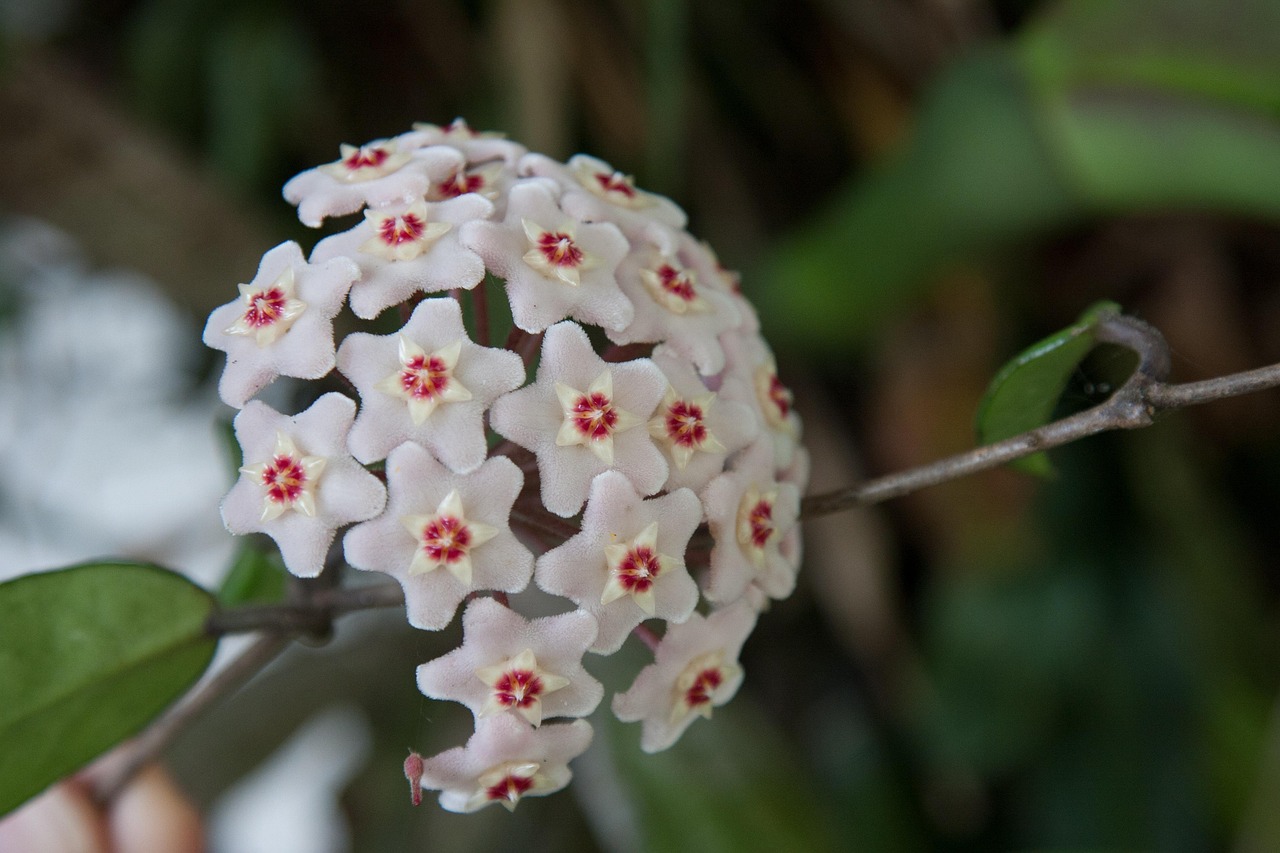
Finally, take a moment to admire your work and see how much better the plant looks with its new, tidy shape. Pruning is a powerful tool that allows you to guide the growth of your vine and ensure that it remains a beautiful part of your home for a long time. Every time you prune, you are learning more about how the plant reacts and grows, making you a more skilled and confident gardener. Your porcelainflower will reward your efforts with strong, healthy vines and, eventually, more of those spectacular blossoms.