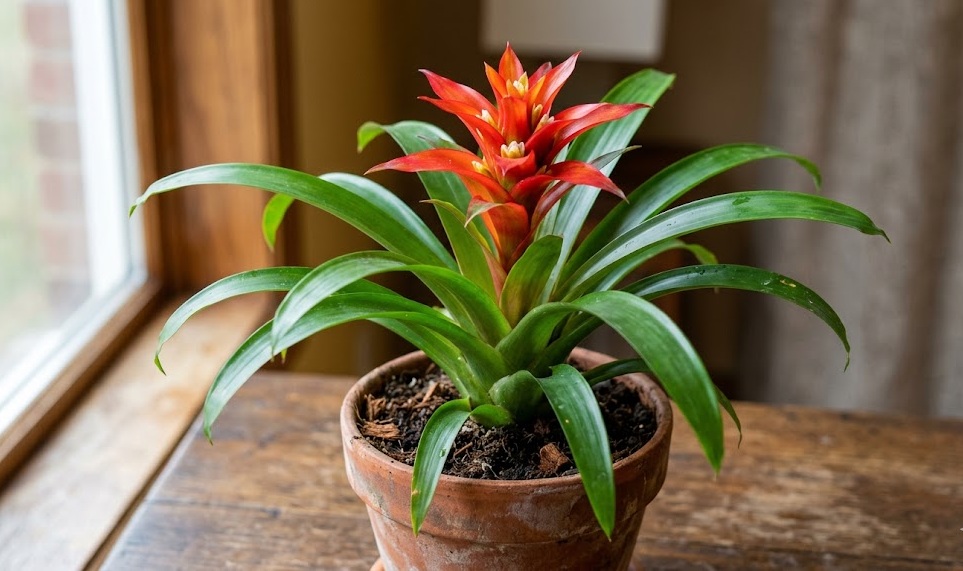

Pruning a guzmania bromeliad is a straightforward yet essential task that helps maintain the plant’s health and aesthetic appeal throughout its life cycle. Unlike many traditional houseplants, these epiphytes do not require extensive or frequent trimming to control their size or shape. Instead, pruning is primarily focused on removing spent flower stalks and managing the foliage as the plant matures and eventually produces offsets. By following professional guidelines for cleaning and cutting, you can ensure your plant remains a tidy and vibrant addition to your indoor garden.
The most common reason for pruning is the removal of the central flower bract once it has finished its colorful display and begun to turn brown. This central stalk can last for several months, but eventually, it will dry out and lose its visual appeal as the plant enters its next phase. You should use a pair of sharp, sterilized gardening shears to cut the stalk as close to the base as possible without damaging the surrounding leaves. This simple action keeps the plant looking neat and allows it to focus its remaining energy on producing the next generation of pups.
Sterilizing your tools before and after pruning is a professional necessity to prevent the spread of fungal or bacterial diseases between plants. You can easily do this by wiping the blades of your shears with a cotton pad soaked in seventy percent rubbing alcohol. This small step is particularly important when working with bromeliads, as their central water tanks can sometimes harbor pathogens if the environment is not perfectly maintained. A clean cut with a sharp tool also heals much faster and minimizes the stress placed on the plant’s tissues.
Proper technique when cutting back foliage involves making clean, decisive movements rather than jagged or crushed cuts. If you are removing a damaged leaf, try to follow its natural curve and cut it back to where it attaches to the main stem of the rosette. Avoid leaving small stumps of dead tissue, as these can become a focal point for rot in the humid conditions that bromeliads prefer. Maintaining a smooth and clean surface after pruning is the best way to ensure the plant continues to thrive and look its best.
Managing damaged and aging foliage for health
Over time, it is natural for the lower or older leaves of your guzmania to turn yellow, brown, or become dry and brittle as the plant ages. This is not necessarily a sign of poor health but rather a part of the plant’s normal growth process as it directs resources to newer foliage. You can gently pull these dry leaves away if they are loose, or use your shears to trim them off close to the base for a cleaner look. Keeping the base of the plant clear of dead organic matter helps improve air circulation and reduces the risk of pest infestations.
More articles on this topic
If your plant has suffered from environmental stress, such as leaf scorch or low humidity, you may see dry or brown tips on the green leaves. While you cannot reverse the damage to the tissue, you can carefully trim away the brown tips to restore the plant’s aesthetic appearance. Use your shears to cut just above the healthy green tissue, following the natural pointed shape of the leaf tip for a more natural look. Be careful not to cut into the living green part of the leaf, as this can cause further stress and lead to more browning.
Inspecting the plant during your pruning routine provides an excellent opportunity to check for any hidden signs of pests or disease. Scale insects and mealybugs often hide in the tight crevices at the base of the leaves where they are protected from sight. If you notice any unusual bumps or cottony white masses while you are trimming, treat the area immediately with an appropriate organic solution. A proactive approach to both pruning and pest management is the key to maintaining a professional-grade tropical plant collection.
For plants that have become particularly large or dense, you may occasionally need to thin out some of the older, non-functional leaves to allow more light to reach the center. This is especially important when the mother plant is supporting several pups that need adequate light and space to grow. By selectively removing a few of the outer leaves, you can create a more open structure that benefits both the parent and the offspring. This careful management of the plant’s canopy ensures that every part of the specimen receives the resources it needs to stay healthy.
Transitioning the plant after the main flowering cycle
The most significant pruning event in a guzmania’s life occurs after the mother plant has finished flowering and the first offsets have reached a viable size. As the mother plant slowly declines over several months, it will continue to provide nutrients to the developing pups at its base. You should resist the urge to remove the mother plant too early, as its presence is vital for the initial growth of the new generation. Only when the parent plant is mostly brown and the pups are about one-third its size should you consider more extensive pruning.
More articles on this topic
When the time comes to separate the pups, you will need to make a careful cut through the connecting tissue that joins them to the parent stem. This process often involves removing the entire plant from its pot to get a clear view of the structural connection between the rosettes. Use a sharp, thin knife to make a precise cut, ensuring that each pup retains as much of its own root system as possible. Once the pups are removed, you can finally dispose of the original mother plant, which has completed its biological mission.
After the pups have been separated and repotted, they may require a small amount of initial pruning to remove any damaged leaves from the transition process. These young plants are the future of your collection and should be treated with the same professional care as a mature specimen. Keep their central tanks clean and provide them with the optimal humidity and light they need to build their own strong root systems. In a few years, these small offsets will grow into full-sized plants and repeat the beautiful cycle of blooming and propagation.
Maintaining a record of when you prune and propagate your plants can help you understand the timing of their life cycles in your specific home environment. You may find that your guzmanias follow a predictable pattern, allowing you to anticipate when they will need more attention or when they are ready for division. This long-term perspective is what separates a casual grower from a dedicated enthusiast with a thriving tropical garden. Your commitment to these small details of care and maintenance will be rewarded with years of botanical beauty and successful growth.