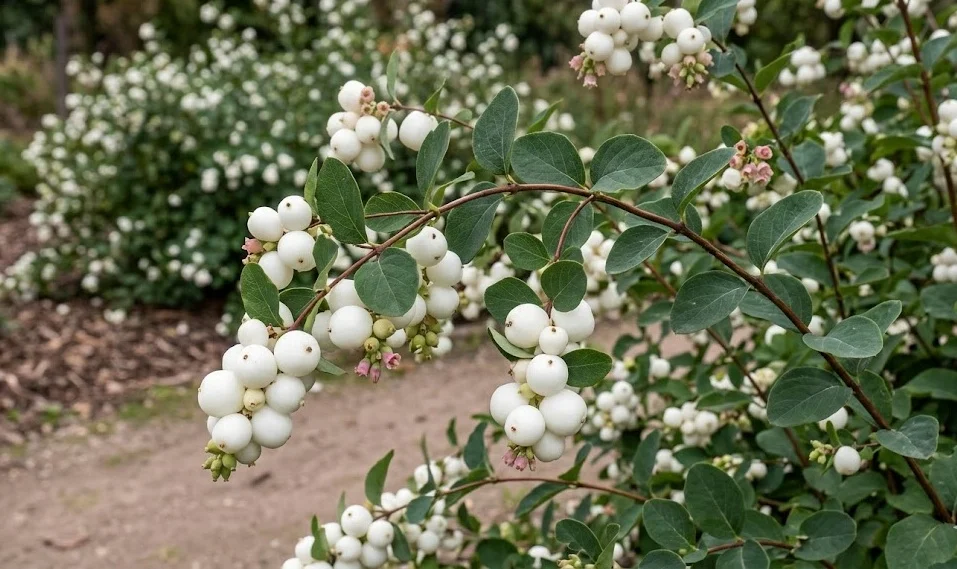

Pruning is a vital professional practice that ensures the common snowberry remains a healthy, productive, and visually appealing component of the landscape. While this shrub is naturally graceful, it can become overly dense, leggy, or less productive without regular and targeted intervention. A professional approach to pruning focuses on maintaining a balance between the plant’s natural arching form and the need for fresh, vigorous growth. This guide outlines the expert techniques and timing required to manage this hardy species through a disciplined pruning regime.
The primary goals of pruning the snowberry are to encourage the production of its famous white berries and to maintain a strong, well-aerated framework. Because the most impressive fruit is typically produced on the younger, more vibrant wood, a regular cycle of renewal is essential. Professional gardeners understand that by removing older, less productive stems, they stimulate the plant to send up new shoots from its base. This continuous rejuvenation ensures that the shrub never loses its youthful energy and aesthetic appeal over time.
Timing is one of the most important factors in professional pruning, as it dictates how the plant will respond and whether its ornamental features will be impacted. For the common snowberry, the ideal time for most pruning tasks is in the late winter or very early spring while the plant is still dormant. Pruning at this time allows the gardener to see the structure of the branches clearly and ensures that the plant’s energy is directed into new growth as soon as it wakes up. A professional avoids pruning late in the season, which could remove the year’s berry display or stimulate soft growth vulnerable to frost.
Using the right tools and techniques is just as important as the timing for achieving professional results and maintaining plant health. Sharp, clean bypass pruners are the standard tool for most snowberry maintenance, as they make clean cuts that heal quickly without crushing the tissues. Larger stems may require loppers or a pruning saw to ensure a professional finish without damaging the surrounding wood. By following established horticultural standards, you can ensure that your pruning practices support the long-term vitality of the shrub.
Professional techniques for maintenance and renewal
The most common pruning method for the snowberry is known as renewal pruning, where a portion of the oldest stems is removed at ground level every year. Typically, a professional will aim to remove about one-third of the oldest wood each spring, which encourages a constant cycle of replacement. This technique prevents the shrub from becoming a tangled mass of unproductive branches and keeps the center open for light and air. After three years of this practice, the entire plant will have been “renewed” with fresh, healthy wood.
More articles on this topic
Thinning is another essential professional technique used to manage the density of the shrub and improve its overall health. By removing specific branches where they meet a main stem, the gardener can reduce the competition for light and resources within the canopy. This is particularly important for preventing the fungal issues that can thrive in stagnant air and low-light environments. A professional thinning job results in a plant that looks natural and graceful, rather than one that has been obviously “chopped” or sheared.
For older specimens that have been neglected and become severely overgrown, a more radical approach called rejuvenation pruning may be necessary. This involves cutting the entire shrub back to within a few inches of the ground in the early spring, allowing it to start completely fresh. While this means sacrificing the berry display for one season, the resulting growth is often incredibly vigorous and healthy. Professionalism in this case involves knowing when such a drastic measure is the best path forward for the long-term beauty of the site.
Heading back, or shortening individual branches, is used sparingly in professional snowberry care to maintain its size and encourage branching. When a branch is cut back to a healthy bud, it stimulates the development of side shoots, which can lead to a bushier and more productive plant. It is important to make these cuts at an angle and just above the bud to ensure proper drainage and successful new growth. A professional always considers the future direction of the new stems when making these types of strategic cuts.
Shaping and managing the ornamental display
Maintaining the characteristic arching form of the common snowberry is a key objective for the professional gardener who values its natural beauty. Unlike formal hedges that are sheared into straight lines, the snowberry is at its best when its branches are allowed to gracefully weep under the weight of its fruit. Professional pruning focuses on removing the stems that detract from this form, such as those that are growing straight up or crossing through the center of the plant. This careful guidance preserves the shrub’s elegant silhouette while keeping it healthy.
More articles on this topic
If the snowberry is being used as a casual hedge or a border plant, pruning can be used to manage its height and spread without losing its natural feel. By selectively shortening the most vigorous stems, you can keep the plant within its allotted space while still allowing for a prolific berry display. A professional approach involves making these adjustments throughout the shrub, rather than just cutting across the top, to maintain a balanced look. This ensures that the hedge remains functional and beautiful throughout the entire year.
The timing of pruning also affects the visibility and longevity of the berries, which are the plant’s most prized ornamental feature. By pruning in late winter, the gardener ensures that the fruit-bearing wood of the upcoming season is given the best start possible. Any pruning done during the growing season should be limited to removing dead or damaged wood to avoid accidentally cutting away the developing flower buds. Professionalism in pruning is about being patient and working with the plant’s natural reproductive cycle.
Monitoring the plant’s response to your pruning activities is an essential part of professional development for any gardener. Some varieties of snowberry may grow more vigorously than others, requiring a more frequent or aggressive pruning schedule to stay in check. Taking notes on how the plant recovers and how much fruit it produces after different types of cuts will help you refine your technique. A professional is always learning from their work and striving to achieve the perfect balance between art and science in the garden.
Long-term health and tool maintenance standards
The health of the snowberry is directly linked to the quality of the pruning cuts made throughout its life, making tool maintenance a top professional priority. Dull blades can tear the bark and crush the delicate vascular tissues, creating entry points for diseases and pests that can weaken the plant. Professional gardeners regularly sharpen their pruners and loppers to ensure that every cut is as clean and precise as possible. This commitment to quality is a hallmark of a professional who cares about the long-term success of their landscape.
Sanitizing pruning tools between different plants is another critical standard that prevents the spread of pathogens like powdery mildew or anthracnose. A quick dip in a disinfectant solution or a wipe with alcohol is all it takes to maintain a professional level of garden hygiene. This practice is especially important when working on a site with multiple snowberries or other related species that share the same vulnerabilities. A professional view of pruning is one that prioritizes the health of the entire garden community.
After a major pruning session, providing the snowberry with a little extra care can help it to recover more quickly and push out healthy new growth. A light application of compost or organic fertilizer, combined with thorough watering, will give the plant the resources it needs to heal its wounds. Mulching around the base of the shrub also helps to keep the roots cool and moist during the critical period following pruning. Professionalism involves following through with the care that the plant needs to truly thrive after its maintenance.
Ultimately, pruning is one of the most effective and rewarding ways to interact with the common snowberry and guide its development. With a professional understanding of its growth habits and a disciplined approach to its care, you can ensure that this shrub remains a star of the garden. Whether you are maintaining a single specimen or a large-scale plantation, the principles of good pruning remain the same. Success in the garden is built on a foundation of professional standards and a deep respect for the natural beauty of the plants.