
Pruning and cutting back sweet potatoes is a task that requires both a firm hand and a clear understanding of the plant’s growth habits and goals. While many gardeners simply let the vines run wild, a strategic approach to pruning can help manage the garden space and potentially improve the size and quality of the harvest. These plants are incredibly vigorous and can quickly overwhelm a small plot if their growth is not kept in check by regular intervention. By learning when and how to prune, you can direct the plant’s energy more effectively and keep your garden looking tidy and professional.
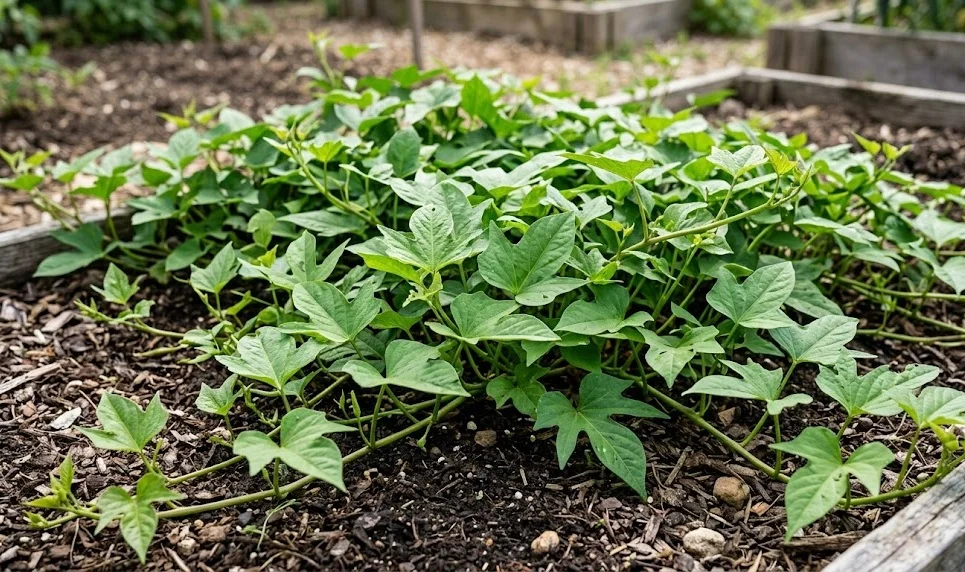
The primary reason to prune sweet potatoes is to control the spread of the vines and prevent them from encroaching on other plants or pathways in your garden. You can safely trim back the ends of the longest vines by several inches if they are starting to wander into areas where they are not welcome. This doesn’t just keep the garden organized; it also encourages the plant to produce more lateral shoots, resulting in a denser and more compact canopy. A thick, well-managed canopy is more efficient at shading the soil and suppressing weeds than a few long, stringy vines.
When you are cutting back the vines, it is essential to use a pair of clean, sharp pruning shears to ensure a clean cut that heals quickly. Ragged or torn stems can become entry points for diseases or pests, which is the last thing you want for your healthy crop. You should also avoid pruning during the hottest part of the day, as the plant is already under stress from the sun and the loss of moisture through the fresh cuts. Late afternoon or early evening is the ideal time for this kind of maintenance, allowing the plant to recover overnight in the cooler air.
Don’t be afraid to be a little bit aggressive with your pruning if the vines are truly taking over your entire growing space. Sweet potatoes are remarkably resilient and will quickly put out new growth to replace what you have removed, as long as the root system is healthy. The goal is to find a balance where the plant has enough foliage to produce energy but not so much that it becomes a tangled, unmanageable mess. Consistent maintenance throughout the summer is much easier than trying to deal with a massive jungle of vines all at once in the late season.
Redirecting nutrients and energy
One of the more sophisticated reasons for pruning sweet potatoes is to signal the plant to stop focusing on green growth and start investing in tuber development. By trimming the tips of the vines, you are essentially telling the plant that it has reached its spatial limits and should now prioritize storing its resources underground. This technique is particularly useful in regions with shorter growing seasons where you need to maximize the efficiency of the plant’s energy use. It is a subtle but effective way to influence the biological priorities of your crop for a better final outcome.
More articles on this topic
You should also look for and remove any vines that are starting to root at the nodes as they creep across the soil surface. These secondary roots are the plant’s way of expanding its territory, but they can distract the main root system from its primary goal of producing large tubers. By gently lifting the vines and snipping off these small white roots, you force the plant to send all its water and nutrients back to the original planting site. This results in a more concentrated and uniform harvest that is much easier to dig up when the time comes.
Sometimes, you might notice that some of the older leaves at the base of the plant are starting to turn yellow or look tattered as the season progresses. Removing these aging leaves can improve the airflow around the main stem and reduce the risk of fungal diseases taking hold in the damp, shaded interior of the canopy. This “thinning out” of the foliage allows light to reach the deeper parts of the plant and keeps the entire system functioning more efficiently. It is a form of sanitary pruning that supports the overall health and longevity of the vines.
If you are growing sweet potatoes in a container or a small raised bed, pruning becomes even more critical for success. In a limited space, the plant simply cannot support an infinite amount of top growth without sacrificing the quality of the roots. Keeping the vines trimmed to a manageable length ensures that the available nutrients in the soil are used effectively and that the plant doesn’t become root-bound or stressed. Professional container gardeners often use a regular pruning schedule to keep their plants productive and healthy in confined environments.
Maintenance for aesthetics and health
Pruning can also be used as a tool for aesthetic management, especially if your garden is a prominent feature of your home landscape. A neatly trimmed patch of sweet potatoes with vibrant purple or green vines can be a beautiful addition to any yard, looking more like an ornamental groundcover than a traditional vegetable crop. You can shape the vines to follow the contours of your beds or to create a living border around other plantings. Combining functionality with beauty is one of the hallmarks of a master gardener who takes pride in every aspect of their work.
More articles on this topic
In addition to shaping the plant, you should always be on the lookout for any stems that show signs of damage from insects, wind, or mechanical injury. Cutting these damaged sections back to a healthy node prevents the injury from spreading and encourages the plant to replace the lost tissue with strong new growth. This kind of “repair pruning” is a vital part of keeping your crop resilient against the various stresses it will face throughout the long summer months. A proactive approach to plant health always pays off in the form of a more robust and productive garden.
You can even use the material you prune off the plants to create new starts for yourself or for your friends and neighbors. The tips of the vines root very easily in a glass of water, essentially giving you a free supply of new slips whenever you perform your regular maintenance. This makes pruning a productive task rather than just a chore, allowing you to expand your garden or share the joy of growing sweet potatoes with others. It is a wonderful way to make the most of the plant’s natural vigor and to ensure that nothing goes to waste.
As the season winds down and the harvest approaches, you might choose to cut back the vines more severely to make the digging process easier. Removing the bulk of the green foliage a few days before you plan to harvest allows the soil to dry out slightly and gives you a clear view of the base of the plants. This final act of pruning is the transition from the growth phase to the harvest phase, signaling the end of the plant’s journey in your garden. Proper management from start to finish ensures a rewarding experience and a bountiful supply of delicious home-grown sweet potatoes.