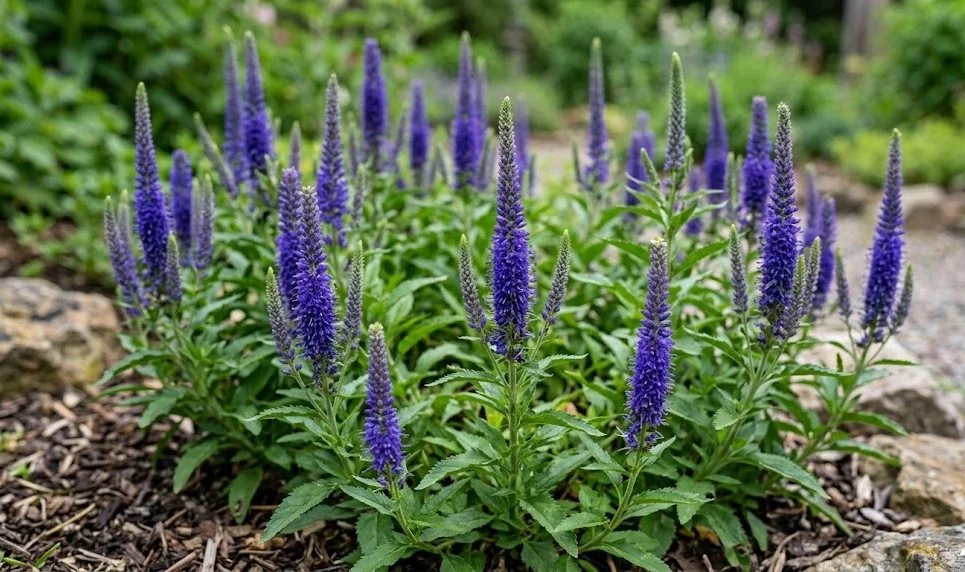

Mastering the techniques for pruning and cutting back spiked speedwell is an essential part of maintaining a professional and high-performing garden landscape throughout the year. These practices are not just about keeping the plant looking neat and tidy; they are vital for promoting healthy growth, encouraging more flowers, and preventing the spread of diseases. You will find that a well-timed approach to pruning can significantly extend the blooming season and improve the overall longevity of your perennial plants. A professional gardener understands that each cut has a specific purpose and should be made with care and precision.
The primary reason for pruning spiked speedwell during the summer is to remove the faded flower spikes, a process commonly known among gardeners as “deadheading.” By removing the spent flowers before they have a chance to produce seeds, you encourage the plant to redirect its energy into creating new buds and a second flush of color. This simple task can make the difference between a plant that blooms for just a few weeks and one that stays vibrant for the entire summer. It is one of the most effective and rewarding ways to interact with your garden and ensure a long-lasting and beautiful floral display.
At the end of the growing season, a more significant pruning or “cutting back” is required to prepare the plant for its winter dormancy period and the upcoming spring growth. This involves removing all the dead and withered foliage from the current year to clear the site and prevent pests and diseases from overwintering in the debris. You should perform this task in the late autumn after the first hard frost has caused the plant to go dormant and its energy has returned to the roots. Proper end-of-season maintenance is a key professional practice that ensures your garden remains healthy and ready for the start of the next year.
Using the right tools and techniques is just as important as the timing of your pruning tasks for the health and safety of your spiked speedwell collection. You should always use sharp, clean bypass pruners to make clean cuts that will heal quickly without inviting pathogens into the plant’s vascular system. Sanitizing your tools between different plants is also a professional standard that helps prevent the spread of diseases throughout your entire garden landscape. With a little practice and attention to detail, you can become an expert at pruning and cutting back your perennials for the best possible results.
Techniques for effective deadheading
Deadheading spiked speedwell is a straightforward but impactful task that should be performed regularly during the peak of the blooming season in June and July. You should monitor the flower spikes closely and identify those where the individual blossoms have started to fade and turn brown at the bottom of the spike. Using your fingers or a small pair of snips, cut the stem back to the first set of healthy leaves or a lateral flower bud that is waiting to grow. This clean cut tells the plant to stop wasting energy on seed production and start focusing on its next round of beautiful flowers.
More articles on this topic
If you have a large planting of speedwell, you can save time by performing a more general “haircut” after the first major flush of blooms has finished across the entire group. This involves cutting all the flower stems back by about a third of their height to promote a more uniform and compact growth habit for the rest of the summer. While this might temporarily reduce the amount of color in your garden, the plant will quickly respond with a lush new layer of green foliage and a second round of blossoms. This professional technique is particularly useful for maintaining a neat and organized appearance in high-visibility areas of your landscape.
Consistency is the key to successful deadheading; you should try to walk through your garden every few days to check on the progress of your flowers and make any necessary cuts. This frequent attention ensures that the plant never spends too much of its valuable energy on developing seeds that you don’t actually need for your garden. It also gives you a chance to inspect the overall health of the plant and catch any minor pest or disease issues before they become serious problems. Regular deadheading is a great way to stay connected with the natural rhythm of your garden and enjoy the rewards of your hard work.
In some cases, you might want to leave a few of the final flower spikes of the season in place to allow the seeds to mature and provide food for local birds during the autumn. This is a common practice in more ecological or naturalistic garden designs where the goal is to support biodiversity as well as aesthetic beauty. You can still cut back most of the plant for a tidy look while leaving just enough seed heads to satisfy the needs of the local wildlife in your area. A professional gardener knows how to balance these competing goals to create a garden that is both beautiful for people and beneficial for nature.
Rejuvenation through hard pruning
Sometimes an older or neglected spiked speedwell may become leggy, thin, or start to die out in the center of the clump as it ages in your garden. When this happens, a process of “rejuvenation pruning” can be used to stimulate new growth from the crown and restore the plant to its former health and beauty. You should perform this hard pruning in the early spring, just as the first signs of new green growth are beginning to emerge from the dormant base of the plant. Cutting the entire plant back to within an inch or two of the soil line can often trigger a surprisingly vigorous response from the established root system.
More articles on this topic
This drastic approach might seem intimidating at first, but it is a standard professional technique used to keep perennials youthful and productive for many more years than they would otherwise live. By removing all the old, woody stems, you allow light and air to reach the very center of the crown, which encourages a flush of fresh and energetic new shoots. You will find that the resulting plant is often more compact, has healthier foliage, and produces larger flower spikes than it did in the previous season. Rejuvenation pruning is a powerful tool for maintaining the quality and vigor of your entire perennial collection.
After performing a hard pruning, it is important to provide the plant with a bit of extra care and attention to help it recover and grow back quickly. You should ensure that the soil is well-watered and consider a light application of a balanced fertilizer to support the rapid development of the new stems and leaves. A layer of fresh compost or mulch around the base of the plant will also provide a nutrient boost and help regulate the soil temperature during the critical spring growth phase. With the right support, your rejuvenated speedwell will soon look as good as new and be ready to bloom beautifully in the summer.
Monitoring the progress of your rejuvenated plants will give you valuable insights into which varieties respond best to this technique in your specific garden conditions. You might find that some cultivars prefer a more moderate approach to pruning, while others thrive on being cut back hard every few years to stay at their best. Keeping notes in your garden journal about your pruning experiments is a professional practice that helps you refine your skills and become a more successful gardener over time. Rejuvenation is an essential part of the long-term cycle of care for any high-quality and professional garden landscape.
End of season maintenance
The final pruning task for spiked speedwell occurs in the late autumn when the growing season has come to an end and the first frosts have arrived. Once the foliage has turned brown and the plant has completely moved its energy reserves into the root system, you should cut all the stems back to the ground. This cleanup process removes the old, spent material that would otherwise become a soggy and unattractive mess during the winter months under the snow and rain. It also simplifies the process of applying a protective layer of winter mulch over the crown of the plant for its dormancy.
Maintaining a clean garden at the end of the year is more than just an aesthetic choice; it is a critical professional step for long-term pest and disease management in your landscape. Many common garden problems, such as fungal spores and insect eggs, use dead plant material as a place to hide and survive the winter cold. By removing and properly disposing of the old speedwell stems, you drastically reduce the population of these threats that will be present in your garden next spring. A professional gardener always thinks one season ahead and uses the autumn cleanup as a way to ensure a healthy and successful start for the following year.
If you have a very large garden, you might choose to wait until the early spring to do your final cutting back, especially if you enjoy the visual interest of the dead stems in the winter frost. Some gardeners prefer this “lazy” approach as it can provide extra protection for the crown during the coldest months and offer cover for beneficial insects that overwinter in the garden. However, if you choose this path, you must be sure to complete the cleanup early in the spring before the new growth begins to emerge and becomes tangled with the old material. Both autumn and spring cutting back have their professional advocates, so you can choose the timing that best fits your personal gardening style and local climate.
Finally, take a moment to clean and oil your pruning tools after the final cuts of the year are made and the garden is put to bed for the winter. This end-of-season tool maintenance ensures that your pruners will be sharp, rust-free, and ready to go as soon as the first spring tasks require your attention in a few months’ time. Storing your tools in a dry, safe place is a mark of a professional who respects their equipment and understands that good tools are the key to good work in the soil. With the final pruning complete, you can look forward to the well-deserved rest of the winter, knowing your spiked speedwell is prepared for the new season.