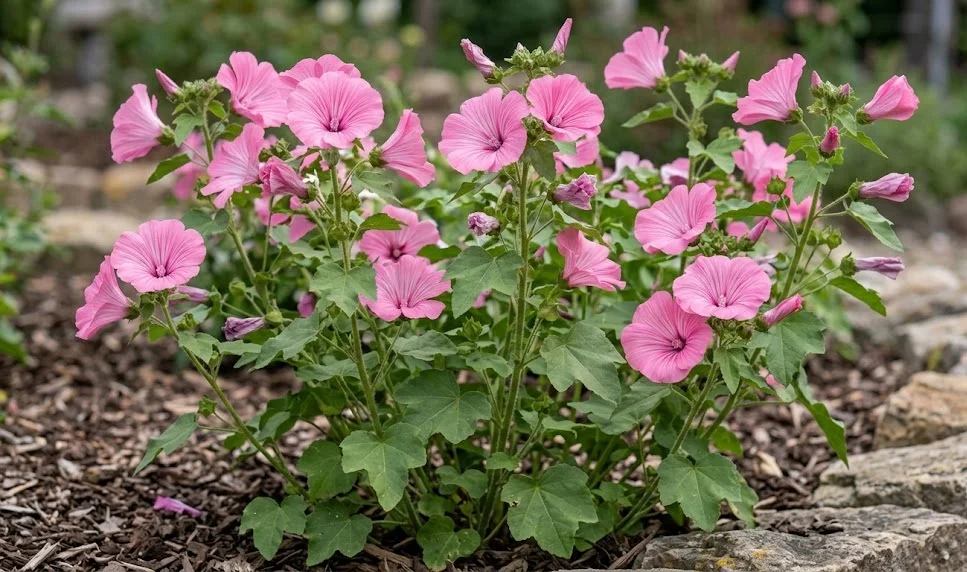

Effective pruning and cutting techniques are the final touches that separate a casual garden from a professional horticultural display. While rose mallows do not require the complex structural pruning of woody shrubs, they respond remarkably well to targeted trimming and deadheading. You must use these techniques to manage the plant’s shape, extend its flowering period, and maintain overall garden hygiene. Mastering these simple but impactful tasks will allow you to get the most out of every plant in your collection.
Deadheading for continuous bloom production
The primary pruning task for a rose mallow is the regular removal of spent flowers, a process known as deadheading. You should remove the faded blooms before they have a chance to form seed pods, which trick the plant into thinking its reproductive job is done. By cutting off these old flowers, you force the plant to redirect its energy into creating a fresh flush of new buds. This simple habit can double or even triple the amount of time the plant stays in full flower during the summer.
When deadheading, you should cut back to just above the nearest set of leaves or a newly forming flower bud. You must use sharp, clean snips to make a clean cut that doesn’t crush the stem, as crushed tissue is a doorway for disease. This targeted approach encourages the plant to branch out from the cut point, leading to a bushier and more productive growth habit. It also keeps the plant looking tidy and prevents the messy appearance of rotting petals on the green foliage.
The timing of your deadheading should be frequent, ideally every few days when the plant is in its peak blooming phase. You will find that taking ten minutes a few times a week is much more effective than trying to do a massive cleanup once a month. This consistency maintains the plant’s metabolic momentum and ensures that there is never a gap in the floral display. It is one of the most rewarding tasks in the garden, as you can see the immediate improvement in the plant’s appearance.
In the late summer, you may choose to stop deadheading on some of your favorite plants to allow a few seeds to develop for next year. You should select the healthiest and most beautiful flowers for this purpose to ensure the best possible genetics for your future crops. The remaining plant can still be deadheaded to keep it looking good until the first frost takes it down. Balancing these two goals allows you to enjoy the current season while preparing for the next one with professional foresight.
More articles on this topic
Shaping and controlling plant size
While rose mallows naturally have a somewhat upright and bushy habit, you can use pruning to guide their shape more precisely. You should consider “pinching back” the growing tips of the main stems when the plant is about thirty centimeters tall. This technique involves removing the very top of the stem, which breaks the apical dominance and forces the plant to produce more lateral branches. The result is a shorter, more compact, and sturdier plant that can support itself better without the need for heavy staking.
If a plant becomes too wide for its designated space, you can selectively prune back the outer branches to a healthy leaf node. You should always aim for a natural, rounded shape rather than a flat or boxy look that can appear artificial in a garden setting. Removing any stems that are growing inward or crossing each other will also improve the internal airflow and light penetration. This “thinning” of the canopy is a professional secret for keeping large mallows healthy and vibrant during the humid midsummer months.
Sometimes a plant may suffer from physical damage due to wind or a heavy storm, requiring more drastic corrective pruning. You should cut back any broken or crushed stems immediately to a clean, healthy point below the damage. Most rose mallows are incredibly resilient and will quickly push out new growth to fill the gap left by the missing branch. Quick action after a weather event prevents pathogens from establishing themselves in the wounded tissue and keeps the plant’s energy focused on recovery.
For taller varieties that have become top-heavy, you can do a more significant “structural” trim in the early summer to reduce their final height. You should cut the tallest stems back by about a third, which will delay the flowering slightly but result in a much more stable plant. This is particularly useful in windy garden sites where tall mallows are at risk of being blown over and ruined. Tailoring the plant’s structure to its specific environment is a mark of an experienced and professional gardener.
More articles on this topic
End of season cut-back and cleanup
The final pruning of the year occurs in the autumn after the first few frosts have killed back the foliage and stems. You should wait until the plant has completely turned brown, as this ensures that all the nutrients have returned to the root system or the base of the plant. Using heavy-duty garden shears, you should cut the entire plant down to within five to ten centimeters of the ground. This cleanup is essential for removing the habitat of many common garden pests that would otherwise overwinter in the dead stems.
The debris from your cut-back should be handled carefully, depending on whether the plant was healthy or diseased during the season. You can shred and compost healthy stems to create a rich soil amendment for the following year’s garden beds. If the plant suffered from rust or leaf spot, however, the material should be removed from the site and discarded to prevent re-infection in the spring. A professional cleanup is the first step in ensuring a healthy and productive garden for the next horticultural cycle.
After cutting back the stems, you should clear away any fallen leaves or old mulch from the base of the plant. This “reset” of the garden bed allows you to inspect the soil and prepare it for the winter with fresh organic matter or a protective cover. You will find that a clean, well-trimmed garden bed looks much more intentional and managed during the quiet winter months. It also makes the task of replanting much easier when the warm weather finally returns in the spring.
Finally, you should take a moment to clean and oil your pruning tools after the final autumn cut-back is complete. You must ensure that they are sharp and free of any rust or sap before storing them away for the winter season. Taking care of your equipment is just as important as taking care of your plants, and it ensures that you are ready for the first pruning tasks of the new year. A professional approach to pruning ends with the same attention to detail that it began with in the spring.