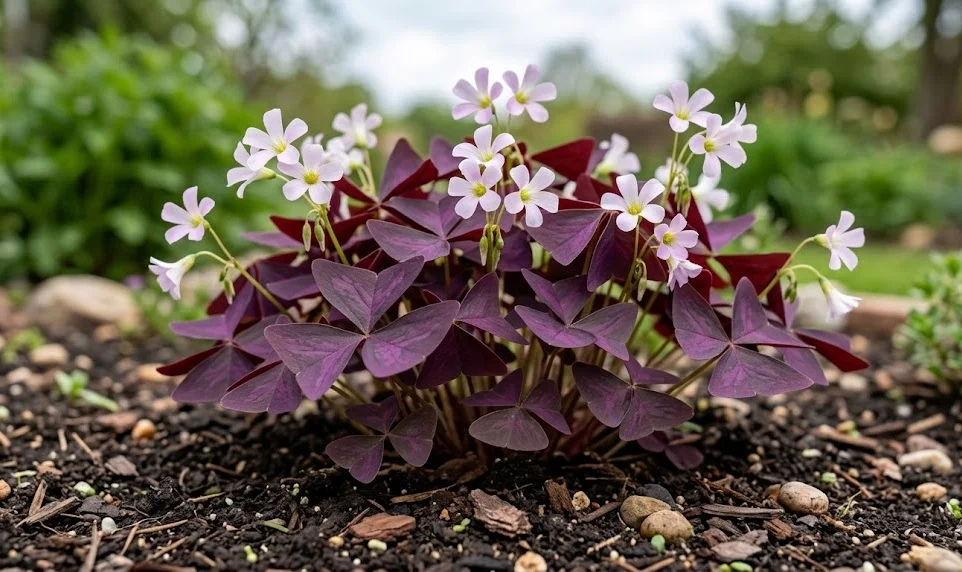

Pruning wood sorrel is a straightforward yet vital task that ensures the plant remains aesthetically pleasing and biologically healthy throughout its growth cycle. Unlike woody shrubs, these delicate plants require a gentle touch and an understanding of their seasonal transitions to achieve the best results. Regular maintenance prevents the buildup of old, decaying material and encourages the production of fresh, vibrant foliage and flowers. By incorporating pruning into your routine care, you can manage the plant’s shape and prepare it for its necessary periods of rest.
Routine maintenance pruning
The most frequent type of pruning you will perform on wood sorrel is deadheading, which involves removing spent flower stalks once the blooms have faded. This simple act prevents the plant from diverting its energy into seed production, allowing it instead to focus on maintaining its lush foliage and building up the underground bulbs. To deadhead properly, follow the flower stem down to its base near the crown of the plant and snip it off with sharp, clean scissors. This keeps the plant looking tidy and often encourages a second or even third flush of flowers during the active season.
Removing individual leaves that have become yellowed, damaged, or diseased is another important part of routine grooming. As the plant grows, older leaves near the base will naturally age and die off, which is a normal part of the plant’s life cycle. By proactively removing these before they become mushy or moldy, you reduce the risk of attracting pests or providing a home for fungal pathogens. Always use a sharp tool to make a clean cut rather than pulling on the stems, which can accidentally dislodge or damage the delicate bulbs.
If your wood sorrel has become slightly leggy or overgrown due to a period of lower light, a light “haircut” can help restore its compact, mounded shape. You can trim back the longest stems by about a third to encourage branching and a denser habit in the new growth. This type of pruning is best done in the early spring or mid-summer when the plant is actively growing and has the energy to recover quickly. Be sure to provide adequate light and moisture after a significant pruning to support the emergence of new shoots.
Cleaning up the plant after a bout of heavy rain or wind is also a form of maintenance pruning that helps the specimen recover its appearance. Snapping off broken or bent stems and removing any debris that has become trapped in the foliage prevents rot from setting in. This “spot cleaning” ensures that air can circulate freely through the center of the plant, which is essential for preventing the common issues associated with stagnant moisture. A well-maintained wood sorrel is a resilient one, better equipped to handle the stresses of its environment.
More articles on this topic
Dormancy-related cutting back
As the wood sorrel begins its transition into dormancy, the approach to pruning changes from selective grooming to a more comprehensive cutting back. You will notice the foliage naturally beginning to yellow and wilt as the plant enters its rest phase, usually in late autumn or after a peak flowering period. It is often best to wait until the leaves have completely withered and turned brown before cutting them back to the soil level. This ensures that the bulbs have had the maximum amount of time to reabsorb the nutrients and energy stored in the green tissues.
Cutting back the plant during this time is a satisfying task that signals the end of the current growing season and prepares the pot or garden bed for winter. Use your shears to clear away all the dead material, leaving only the bare soil surface visible above the dormant bulbs. This clean slate prevents pests from overwintering in the dead foliage and makes it much easier to monitor the area for the first signs of spring growth. For container plants, this also makes the pots much easier to move and store in a cool, dry location.
In some cases, you may choose to cut the plant back earlier if it has become particularly unsightly or if you want to force a period of rest. This is sometimes done with indoor specimens that have become stressed or excessively leggy during the heat of summer. By cutting the foliage back and withholding water, you can trigger a “hard reset,” allowing the plant to emerge with fresh, healthy leaves once the conditions are more favorable. However, this should only be done with established, healthy plants that have sufficient energy reserves in their bulbs.
After cutting back for dormancy, it is important to label the area clearly so that you don’t accidentally dig up or overwater the sleeping bulbs. A simple garden marker or a note on the side of the pot is all that is needed to remind you of what lies beneath the surface. This period of total rest is just as important as the period of active growth, and the clean, pruned state of the plant is the best way to facilitate it. Pruning for dormancy is the final act of the gardening year, setting the stage for a successful revival in the coming months.
More articles on this topic
Tools and sanitation for pruning
The delicate nature of wood sorrel stems means that the quality of your tools and your sanitation practices are of paramount importance. Small, sharp florist snips or precision embroidery scissors are the best choices for these plants, as they allow for clean cuts without crushing the soft tissues. Avoid using large, heavy bypass pruners, which are designed for woody branches and are often too clumsy for the intricate work of grooming wood sorrel. Having a dedicated tool for your indoor plants can also help prevent the accidental spread of outdoor pests or diseases.
Sanitation is a non-negotiable step in professional plant care, as dirty tools are one of the primary vectors for the spread of viruses and bacteria. Always wipe your blades with a solution of 70% isopropyl alcohol or a mild bleach solution before and after working on each plant. This simple habit prevents a hidden infection in one specimen from being mechanically transferred to the rest of your collection. It is particularly important when removing diseased tissue, as the spores or bacteria can easily cling to the metal surfaces of your tools.
Proper maintenance of your pruning tools ensures that they remain effective and safe for your plants over the long term. Keep your blades sharp using a fine whetstone or a specialized sharpening tool, as dull blades tend to tear the stems rather than cutting them cleanly. Tearing creates jagged wounds that take longer to heal and provide more surface area for pathogens to enter the plant’s vascular system. After cleaning, a tiny drop of light oil on the pivot point of your scissors will keep them moving smoothly and prevent rust from developing.
Finally, always dispose of your pruning waste properly, especially if you suspect any disease or pest issues. Healthy foliage and flowers can be added to your compost pile, but anything showing signs of rust, rot, or insect infestation should be bagged and put in the trash or burned. Keeping your gardening area free of organic refuse is a proactive way to maintain a healthy environment for all your plants. By treating your tools and your waste with a professional level of care, you ensure the continued success of your wood sorrel garden.