
Effective pruning is a fundamental skill that every herb gardener must master to maintain the health, shape, and productivity of winter savory. As a perennial woody shrub, this plant has a natural tendency to become leggy and woody at the base if left to its own devices. Regular cutting back not only encourages a flush of fresh, tender growth but also ensures that the plant remains compact and visually appealing. A professional pruning strategy involves understanding the timing of the plant’s growth cycles and using the right tools to make clean, healthy cuts.
The primary goal of pruning winter savory is to stimulate the development of new stems from the lower parts of the plant. Without intervention, the shrub will focus its energy on the tips of the existing branches, leading to a sprawling habit with a hollow, unproductive center. By removing a portion of the older wood, you signal the plant to activate dormant buds closer to the root crown. This results in a much denser and more vigorous shrub that can produce a significantly larger harvest of leaves.
Timing is everything when it comes to cutting back your herbs, and for winter savory, there are two main windows of opportunity. A light shaping prune in the early spring helps set the stage for the year’s growth, while a more significant cut back after flowering in late summer prepares the plant for the winter. You should always avoid heavy pruning in the late autumn, as the plant needs time to heal and harden off before the first frost arrives. A well-timed prune is like a reset button that keeps the plant feeling young and energetic.
Using the correct equipment is just as important as the technique itself, as jagged or crushed stems are an invitation for disease. You should invest in a high-quality pair of bypass pruners or sharp garden snips that can make clean cuts through the semi-woody material. Before you start, always ensure your tools are clean and sharp to minimize the stress on the plant. Taking a professional approach to your tools and timing will ensure that your pruning efforts lead to a healthier and more beautiful winter savory collection.
Shaping young plants for future success
In the first year or two after planting, your focus should be on building a strong and balanced framework for the winter savory shrub. You should pinch back the tips of the new growth regularly to encourage the plant to branch out and become bushier. This “soft pruning” prevents the plant from becoming a single, tall stalk and instead fosters a rounded, multi-stemmed habit. The more branches you can encourage early on, the more productive the plant will be in the years to come.
More articles on this topic
As the young plant begins to develop its woody base, you can start to be a bit more strategic with your cuts. Look for any stems that are growing inward or crossing over each other and remove them to improve airflow within the canopy. You want to create a structure that allows light to reach all parts of the plant, including the inner leaves. This early attention to detail prevents many of the common problems associated with older, neglected shrubs, such as center dieback and fungal issues.
You can also use pruning to manage the height and width of your savory, especially if you are growing it in a small space or a container. By consistently cutting back the most vigorous stems, you can keep the plant at a manageable size without sacrificing its health. Don’t be afraid to take off an inch or two of growth every few weeks during the peak of the season. This regular maintenance acts as a continuous harvest and keeps the plant in a state of constant renewal.
If you are growing savory as a low hedge or edging plant, you may want to use a more formal shearing technique to maintain a clean line. However, even with formal shapes, it is important to occasionally reach inside the canopy and remove some of the older wood manually. This ensures that the interior of the hedge stays green and doesn’t become a mass of dead, dry sticks. A professional gardener knows how to balance the aesthetic needs of the landscape with the biological needs of the plant.
Annual rejuvenation and maintenance pruning
For established winter savory plants, a major rejuvenation prune should be performed every spring just as the new buds begin to show. You can cut the entire shrub back by about one-third or even one-half of its total height, depending on how woody it has become. This might seem drastic, but savory is a tough plant that responds very well to significant pruning. Removing the older, less productive wood allows the plant to channel all of its energy into the fresh, flavorful growth of the new season.
More articles on this topic
During this spring prune, pay close attention to the health of the stems and remove any that show signs of winter damage or disease. Dead wood will be brittle and grey, while healthy wood will have a green or white layer just under the bark. Use your shears to cut back to healthy tissue, making the cut at a slight angle to allow water to run off the wound. This simple step prevents moisture from sitting on the cut surface and causing rot or infection.
Throughout the summer, you can continue to perform light maintenance pruning as you harvest the herb for your kitchen. By always cutting back to a leaf node or a side branch, you encourage the plant to continue filling in the gaps. If you notice any stems that have become particularly leggy or are beginning to sag under their own weight, don’t hesitate to trim them back. This ongoing attention keeps the plant looking its best and ensures a steady supply of high-quality foliage for your culinary needs.
If a savory plant has been neglected for several years and has become very woody and sparse, you might need a more aggressive approach. In these cases, you can try cutting the plant back almost to the ground, leaving only a few inches of stem with some visible buds. While this carries a bit more risk, it is often the only way to save a very old and unproductive shrub. If the root system is healthy, the plant will often send up a flush of entirely new stems, effectively starting its life over again.
Cutting back after the flowering phase
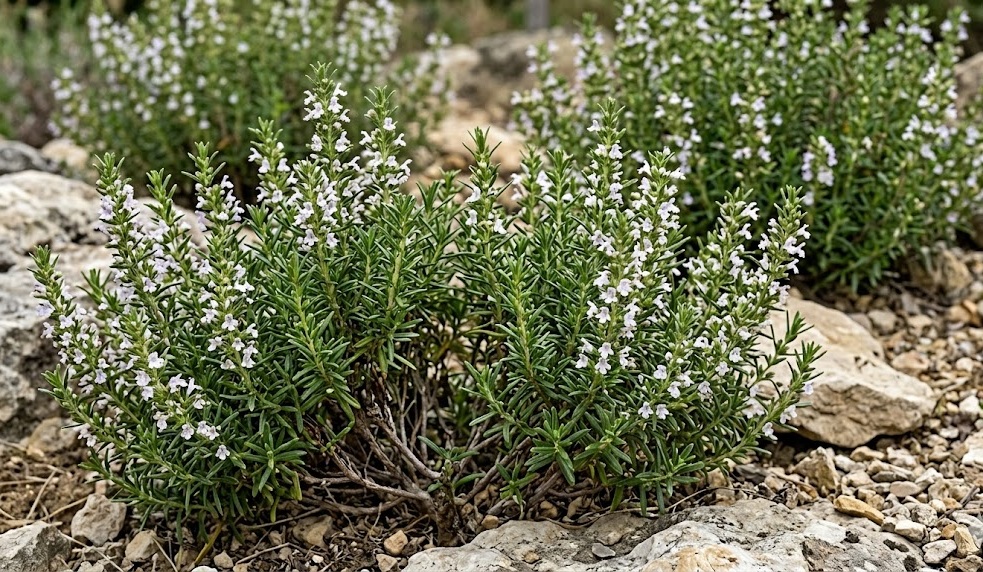
Winter savory produces beautiful small flowers in late summer, which are a delight for both the gardener and the local pollinators. However, once the blooming is finished, the plant can start to look a bit untidy as the flower stalks dry and turn brown. This is the perfect time for a post-flowering prune to clean up the plant and encourage one last flush of growth before winter. You should cut back the flowering stems to just below where the blossoms were located, being careful not to cut into the very old wood.
This late-summer pruning also helps the plant focus its energy on strengthening its root system and hardening off its stems for the coming cold. By removing the spent flowers, you prevent the plant from putting energy into seed production, which can be taxing for a perennial. The new foliage that grows after this prune will be tough and well-prepared to survive the winter months. It also ensures that the plant looks neat and tidy during the autumn when many other garden plants are starting to fade.
In addition to removing the flowers, you can use this time to do a final check of the plant’s overall shape and size. If the savory has spread further than you intended during the summer, you can trim back the edges to keep it within its bounds. Be mindful not to take off too much at this late stage, as the plant needs enough foliage to continue photosynthesizing until it goes dormant. A light “tidy-up” is usually all that is required to keep your savory looking professional and well-maintained.
Finally, remember to dispose of all your pruning clippings properly, especially if you have seen any signs of pests or disease during the season. Healthy clippings can be dried for kitchen use or added to the compost pile, but diseased material should always be removed from the garden. Keeping your workspace clean is a hallmark of an expert gardener and ensures that your pruning efforts don’t accidentally spread problems. With a consistent and thoughtful approach to cutting back, your winter savory will remain a centerpiece of your herb garden for years.
Tool hygiene and professional finishing
The final touch in any pruning session is ensuring that the plant is left in the best possible state to heal and thrive. After you have finished your cuts, take a moment to look at the plant from a distance to ensure the shape is balanced and pleasing. If there are any jagged edges or torn bark, use a sharp knife to clean them up and create a smooth surface. This attention to detail is what defines a professional job and shows a true respect for the living material you are working with.
Cleaning and oiling your tools after each use is a critical but often overlooked part of the pruning process. Sap and plant resins can quickly build up on the blades, making them sticky and dull, which leads to poor-quality cuts. You can use a bit of steel wool and some household oil to keep your shears in top condition and prevent rust from forming. Storing your tools in a dry place ensures they will be ready for action the next time your winter savory needs a trim.
It is also worth mentioning that the time you spend pruning is the perfect opportunity to do a deep inspection of the plant’s health. While you are close to the stems and foliage, look for early signs of pests or the first symptoms of fungal issues that might be hidden deep in the canopy. This integrated approach to maintenance means that your pruning sessions serve multiple purposes, contributing to the overall success of your garden. A proactive gardener is always one step ahead of the challenges that nature can throw their way.
Ultimately, pruning is as much about the future as it is about the present state of the plant. Every cut you make today is an investment in the health and productivity of the winter savory for next season and beyond. By following these professional guidelines, you can ensure that your herbs remain a vibrant and flavorful part of your landscape. Whether you are growing a single pot on a balcony or a large plantation in a field, the principles of good pruning remain the same.