
Shaping and maintaining the physical structure of your shrubs is an art form that combines horticultural science with aesthetic vision. Regular pruning is essential for keeping this species healthy, promoting new growth, and achieving the desired form in your landscape. Whether you are maintaining a formal hedge or a natural specimen, professional techniques are required for the best results. This article provides a detailed guide on how to prune and cut back your plants effectively.
Pruning serves several vital functions beyond just controlling the size and shape of the shrub. It allows more light and air to reach the inner branches, which reduces the risk of disease and promotes more uniform foliage. By removing old or damaged wood, you encourage the plant to dedicate its energy to healthy, vigorous growth. A well-pruned plant is not only more beautiful but also much more resilient to environmental stressors.
The tools you use for pruning are just as important as the technique you apply in your garden. You should always use sharp, clean bypass pruners for smaller branches and loppers or a pruning saw for thicker wood. Dull tools can crush the stems and create ragged wounds that are slow to heal and prone to infection. Investing in high-quality tools and keeping them well-maintained is a hallmark of any professional gardener.
Timing is a critical factor that determines how the plant responds to your intervention. Pruning at the wrong time of year can remove the next season’s growth or leave the plant vulnerable to cold or disease. You must understand the growth cycle of the shrub to decide when to pick up your shears. A thoughtful and timed approach ensures that your pruning efforts support the natural rhythm of the plant.
Optimal timing for pruning tasks
The best time for major structural pruning is in the late winter or early spring before the new growth begins. At this time, the plant is still dormant, and you can clearly see the framework of the branches without the leaves in the way. Removing unwanted wood during this period allows the shrub to start the growing season with a clean and healthy structure. This timing also ensures that the wounds have the maximum amount of time to heal during the spring.
More articles on this topic
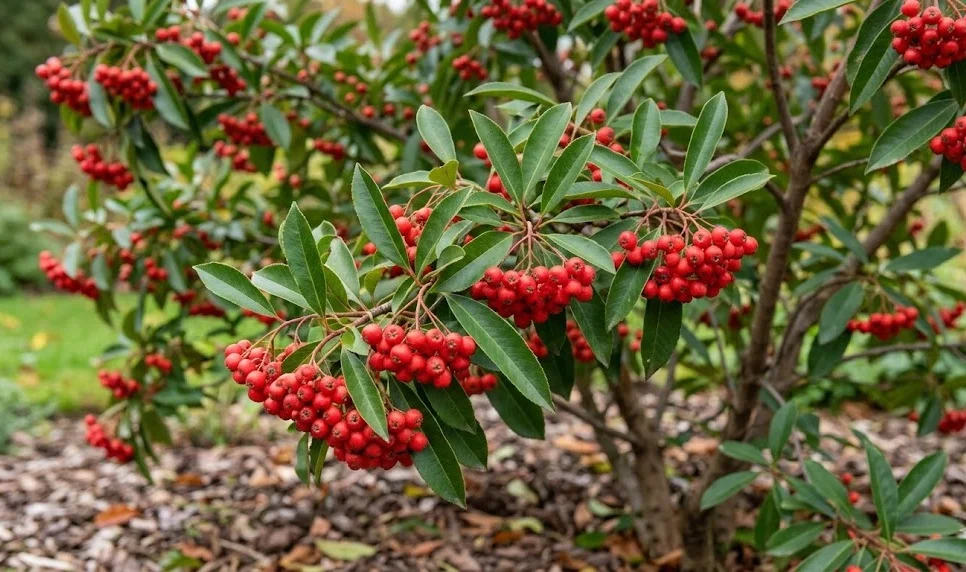
To maximize the production of the vibrant red new growth, you can also perform light trimming in the late spring or early summer. After the first flush of leaves has turned green, cutting back the tips of the branches will stimulate a second round of red foliage. This technique allows you to extend the colorful display in your garden for several extra months. Be sure to stop this practice by mid-summer to allow the new growth to harden off before winter.
You should avoid any significant pruning in the late summer or autumn as the plant is preparing for its dormant phase. As discussed in previous articles, stimulating new growth late in the season is dangerous because it will not be hardy enough to survive the frost. It is better to leave any necessary work until the following spring than to risk damaging the plant’s winter resilience. Following this natural calendar is a key part of professional plant management.
Emergency pruning to remove dead, diseased, or broken branches can be done at any time of the year. You should not wait for the “correct” season to address a problem that could spread or cause further damage to the shrub. When performing these emergency cuts, try to be as precise as possible to minimize the impact on the rest of the plant. Maintaining a safe and healthy environment is always the top priority in any agricultural or horticultural setting.
Shaping and structural cutting back
When shaping the shrub, you should always start by removing the “three Ds”: dead, damaged, and diseased wood. This clears the way for you to see the natural form of the plant and decide on your next steps. Use clean cuts just above a healthy bud or branch junction to encourage proper healing. Taking your time with this initial cleanup will result in a much more professional and attractive finish.
More articles on this topic
If you are growing the plant as a hedge, you should aim for a shape that is slightly wider at the base than at the top. This “tapered” design ensures that the lower branches receive enough sunlight to stay healthy and maintain their leaves. A hedge that is wider at the top will shade its own base, leading to a thin and leggy appearance over time. Consistent and careful shaping is the secret to a perfect, dense garden screen.
For a more natural-looking specimen, you should focus on thinning out the branches rather than shearing the entire surface. Selectively removing some of the oldest or most crowded limbs from the center of the shrub allows for better air circulation and light penetration. This technique maintains the characteristic form of the plant while ensuring it stays healthy and vibrant. Thinning is a professional method that results in a much more graceful and elegant appearance.
Always consider the mature size of the shrub when you are deciding how much to cut back. It is much easier to maintain a plant at its natural dimensions than to try to keep it significantly smaller through aggressive pruning. If you find yourself having to prune heavily every year, you may have chosen the wrong spot for that particular plant. A thoughtful approach to garden design reduces the amount of maintenance work you have to do in the long run.
Rejuvenating older or leggy shrubs
If an older shrub has become overgrown, thin at the base, or generally unattractive, you may need to perform rejuvenation pruning. This involves cutting the entire plant back significantly to encourage a completely new framework of branches to grow. While it may look drastic at first, this species is very resilient and will usually respond with a burst of healthy new growth. Rejuvenation is a powerful tool for restoring the beauty of a neglected garden specimen.
The best time for this type of aggressive cutting is in the late winter or very early spring when the plant has the most stored energy. You can cut the stems down to within thirty to fifty centimeters of the ground, depending on the overall size and health of the plant. After such a heavy pruning, it is essential to provide the shrub with plenty of water and a balanced fertilizer to support its recovery. This professional intervention can give an old plant a completely new lease on life.
In some cases, you might prefer a more gradual rejuvenation over a period of two or three years. This involves removing about one-third of the oldest branches each year until the entire plant has been refreshed. This method is less stressful for the shrub and ensures that you always have some foliage in your garden during the process. It is a more patient but equally effective way to manage an aging or overgrown specimen.
After rejuvenation, the new growth will be very vigorous and will require some initial training to achieve a good shape. You should thin out the new shoots to prevent overcrowding and encourage the strongest ones to become the new main branches. With a little bit of care and attention during the first few years, your rejuvenated shrub will look better than ever. Professional pruning is the key to maintaining a vibrant and sustainable garden for many years to come.