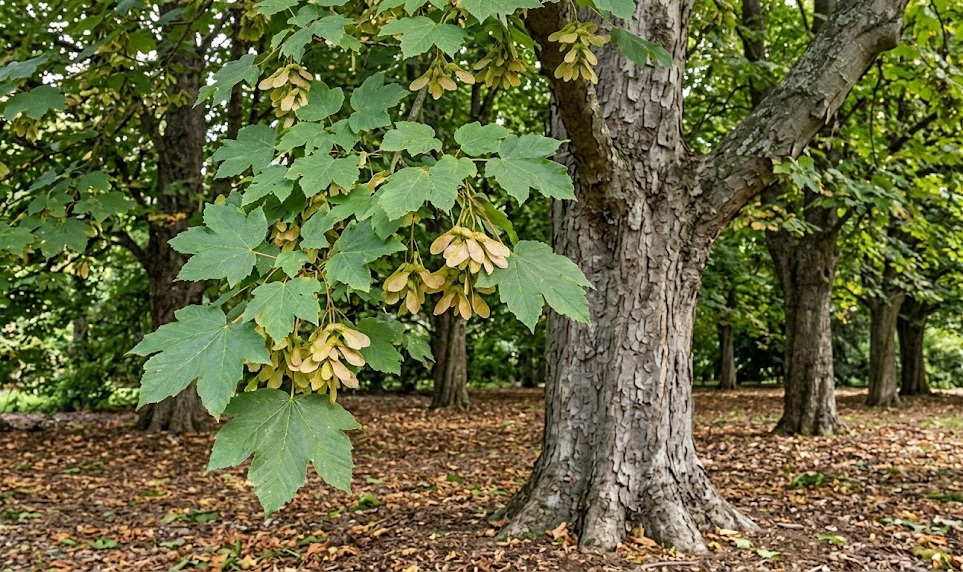

Strategic pruning is an essential practice for maintaining the structural integrity and aesthetic beauty of a sycamore maple over its lifetime. This species is known for its vigorous growth, which can sometimes lead to a crowded or unbalanced canopy if left entirely to its own devices. A professional approach to pruning focuses on enhancing the tree’s natural form while removing any potential hazards or unhealthy wood. By understanding the proper techniques and timing, you can ensure that your maple remains a safe and stunning focal point in your garden.
The best time to prune a sycamore maple is during its dormant season, which typically occurs from late autumn to early spring. During this period, the tree’s sap flow is minimized, which reduces the risk of excessive “bleeding” from the pruning cuts. While sap loss is rarely fatal, it can be messy and may attract unwanted insects to the fresh wounds. Pruning in winter also allows you to see the tree’s structure clearly without the distraction of its dense summer foliage, making it easier to identify problematic branches.
Formative pruning is particularly important for young sycamore maples to establish a strong central leader and a well-spaced branch structure. You should aim to remove any competing leaders that might cause the tree to develop a weak “V” shaped crotch as it matures. Selecting the most vigorous and straightest upward-growing shoot as the primary trunk ensures a much more stable tree in the long run. Early intervention requires only small cuts and has a profound impact on the tree’s future health and safety.
As the tree grows, your pruning objectives will shift toward maintaining the health of the existing canopy and managing the tree’s overall size. You should always prioritize the removal of dead, damaged, or diseased wood, often referred to as “cleaning” the canopy. This not only improves the tree’s appearance but also prevents pathogens from spreading to healthy tissue. Regular thinning of crowded branches can also improve air circulation and light penetration, which are vital for the health of the inner leaves.
Advanced pruning techniques
For mature sycamore maples, more advanced techniques such as crown lifting or crown reduction may be necessary depending on the tree’s location. Crown lifting involves removing the lowest branches to provide clearance for pedestrians, vehicles, or views under the tree. This should be done gradually over several years to avoid shocking the tree or creating a “lion’s tail” effect where all the foliage is at the very ends of the branches. A well-lifted crown gives the tree a stately appearance and opens up the landscape below.
More articles on this topic
Crown reduction is a more complex task that aims to reduce the overall height or spread of the tree while maintaining its natural shape. This is often done to keep a tree from interfering with power lines or to reduce the wind load on a structurally compromised specimen. It is vital to use “drop-crotch” pruning, where a branch is cut back to a lateral branch that is at least one-third the diameter of the one being removed. This technique ensures that the tree can properly seal the wound and maintain its growth direction.
Thinning is another professional method used to reduce the density of the foliage without changing the overall size of the tree. By selectively removing specific branches throughout the canopy, you can reduce the “sail effect” during high winds, making the tree more resistant to storm damage. This process also allows more light to reach the interior of the tree and the plants growing underneath it. A professionally thinned sycamore maple will look much more elegant and refined than one that has been left to become an impenetrable mass of green.
You should always use high-quality, sharp tools when pruning to ensure clean cuts that the tree can heal quickly. Ragged or crushed wood at the site of a cut is a primary entry point for rot and disease-carrying insects. For larger branches, the “three-cut method” should be used to prevent the weight of the branch from tearing the bark down the trunk as it falls. This professional approach demonstrates a respect for the tree’s biology and ensures the best possible outcome for every pruning session.
Long-term structural management
Pruning a large tree like the sycamore maple is a long-term commitment that requires a vision for the tree’s future. You should avoid the practice of “topping,” which involves cutting back large structural limbs to stubs, as this leads to weak regrowth and internal rot. Instead, focus on small, regular maintenance cuts that guide the tree’s natural development over many decades. A tree that has been properly managed from a young age will rarely need drastic or hazardous interventions as it reaches maturity.
More articles on this topic
Watching how the tree responds to your pruning cuts provides valuable feedback on its health and vigor. A healthy sycamore maple will quickly produce a “callus” or wound wood that gradually grows over the site of a cut to seal it off from the environment. If you notice that wounds are not closing properly or if there is significant dieback around a cut, it may be a sign of underlying stress. Adjusting your care routine in response to these observations is what makes you an expert gardener.
Safety should always be your top priority when pruning, especially with a species that can grow to such an impressive height. If a task requires you to climb high into the tree or use a chainsaw on a ladder, it is time to call in a certified arborist. These professionals have the training and equipment to handle large-scale pruning safely and effectively. Investing in professional help for major structural work is a wise decision that protects both the tree and your property.
Ultimately, the goal of pruning a sycamore maple is to foster a relationship of balance between the tree and its human neighbors. A well-pruned tree is not only more beautiful but also safer and more resilient in the face of environmental challenges. Your careful work ensures that the tree can continue to grow and thrive as a majestic part of the landscape for many generations. The reward is the satisfaction of seeing a healthy, perfectly formed maple reaching toward the sky in your garden.