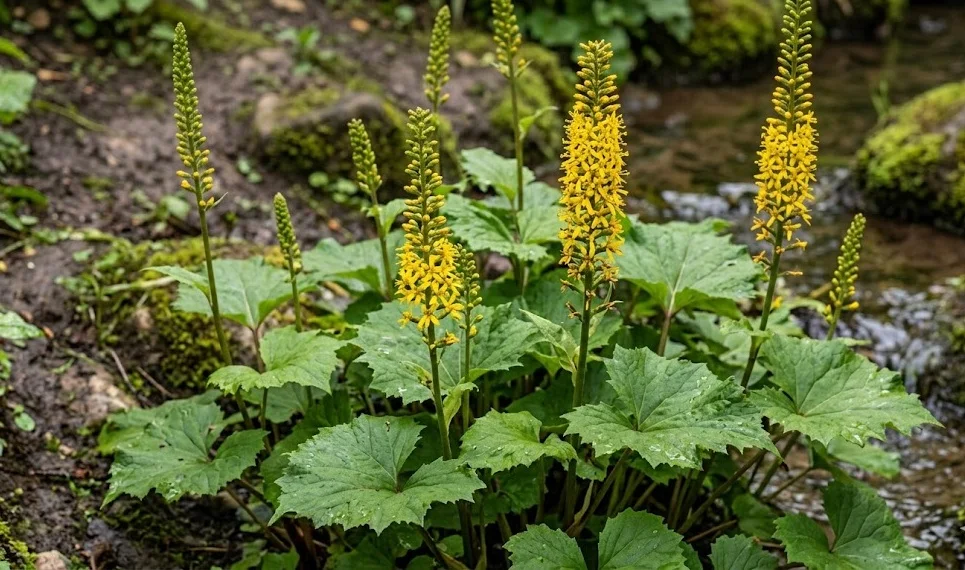

Maintaining the aesthetic appeal and health of the narrow-spiked ligularia involves a few key pruning tasks throughout the year. Unlike woody shrubs, this perennial does not require complex structural pruning, but it does benefit from the removal of spent material. Professional pruning helps the plant focus its energy on new growth and keeps the garden looking tidy and well-cared for. By following a simple seasonal routine, you can ensure that your specimens always look their absolute best.
The primary pruning task is the removal of old, tattered leaves that naturally occur as the plant matures through the summer. Because the leaves are so large, even a little bit of damage from wind or pests can be very noticeable and detract from the plant’s beauty. You should use a sharp pair of clean bypass pruners to snip the affected leaf off at the very base of its petiole. This encouraged the plant to produce fresh, new foliage from the center of the crown.
Deadheading, or the removal of spent flower spikes, is another important part of the maintenance cycle. Once the golden flowers have faded and turned brown, the stalks can look a bit untidy in a formal garden setting. By cutting these stalks back to the level of the foliage, you prevent the plant from putting energy into seed production. This energy is then redirected back into the roots, which helps the plant stay strong and healthy for the next year.
The final major pruning occurs in the late autumn or early winter when the entire plant has died back to the ground. Once the leaves are brown and brittle, they no longer serve a purpose for the plant and can be cleared away. Removing this dead biomass helps prevent the buildup of pests and diseases that might otherwise hide in the debris. A clean cut back to ground level prepares the site for a fresh start in the spring.
Routine maintenance pruning
Throughout the growing season, you should take a “little and often” approach to maintaining your perennials. Every time you walk through the garden, look for any leaves that are yellowing or showing signs of heavy slug damage. Removing these immediately prevents the garden from looking neglected and can even slow down the spread of certain pests. It is much easier to snip off one or two leaves a week than to deal with a massive cleanup later.
More articles on this topic
When you are pruning the foliage, always make your cuts as close to the crown as possible without damaging the central growing point. Leaving long, dead “stumps” of petioles can sometimes lead to rot and looks unprofessional in a high-end landscape. Clean, sharp tools are essential for making a smooth cut that heals quickly and does not invite pathogens. Always wipe your blades with a bit of alcohol if you have been working on a plant that shows signs of disease.
If the plant becomes too dense in the center, you can occasionally thin out a few of the inner leaves to improve air circulation. This is particularly helpful in humid climates where stagnant air can lead to fungal issues on the foliage. By allowing the wind to move through the plant, you create a healthier environment for the remaining leaves. It is a subtle technique that can make a big difference in the overall vitality of the specimen.
Monitoring the health of the stems is also part of your routine maintenance work in the garden. If a flower spike has been bent or broken by a storm, it is best to remove it cleanly rather than leaving it to dangle. This prevents the wound from becoming an entry point for insects and keeps the plant’s silhouette looking sharp. Regular attention to these small details is what separates a professional garden from a hobbyist’s backyard.
Post-bloom deadheading
The flowering period of the narrow-spiked ligularia is a highlight of the summer, but it eventually comes to an end. Once the individual florets have lost their color and the spike starts to look dry, it is time to intervene with your pruners. You can cut the entire flower stalk down to where it emerges from the foliage, taking care not to snip any of the surrounding leaves. This instantly restores the “green” look of the plant and keeps the focus on the architectural foliage.
More articles on this topic
Some gardeners choose to leave a few flower spikes if they wish to collect seeds for propagation later in the season. If you do this, be aware that the plant will be spending a significant amount of its reserves on maturing those seeds. It is usually best to only leave one or two of the strongest spikes and remove the rest to preserve the plant’s vigor. Professional growers often prioritize root health over seed production for established landscape plants.
Deadheading also has the benefit of preventing unwanted seedlings from popping up all over your garden beds. While this variety is not generally considered invasive, it can be a prolific self-seeder in the right conditions. If you have a large mass planting, you could end up with hundreds of tiny seedlings that eventually compete with the parent plants. Cutting off the flowers before they drop their seeds is the easiest way to prevent this extra weeding work.
As you remove the flower stalks, take a moment to inspect the overall condition of the plant. The post-flowering period is often when the foliage is at its largest and most impressive, but it can also be a time of stress. Providing a deep soak and perhaps a light organic feeding after pruning can help the plant recover from the effort of blooming. This extra care ensures that the leaves stay green and healthy right up until the first frost.
Rejuvenating older plants
After several years in the same spot, a perennial might start to look a bit tired or lose its perfectly rounded shape. You might notice that the leaves in the center are smaller or that the plant is not producing as many flowers as it once did. This is a natural sign of aging and can often be corrected with a more aggressive pruning and division strategy. Rejuvenation ensures that your garden focal points remain impressive for many decades.
In the early spring, you can perform a “renovation” by clearing away any old mulch and inspecting the crown closely. If the center has become woody or hollow, it is a clear sign that the plant needs to be divided and replanted. This process, while more involved than simple pruning, is the ultimate way to reset the plant’s growth cycle. It allows you to remove the oldest, least productive parts and start fresh with the vigorous outer sections.
When replanting your divisions, make sure to enrich the soil with plenty of fresh organic matter to support the new growth. The reduced size of the new plants means they will need extra protection from the sun and wind during their first season. You will be amazed at how quickly a rejuvenated plant can regain its former glory when given a fresh start. This cycle of renewal is a fundamental part of professional perennial management.
Finally, keep a garden journal of when you perform these major tasks so you can track the lifecycle of your plants. Knowing that a particular specimen was divided four years ago helps you anticipate when it might need attention again. Professionalism in the garden is often about long-term planning and understanding the rhythm of the seasons. By staying on top of your pruning and rejuvenation, you ensure a spectacular display year after year.