
Proper pruning is an essential horticultural skill that allows you to manage the shape, health, and vigor of your garden plants. For the lady’s mantle, cutting back at the right time and in the right way can dramatically improve the appearance of the foliage and even encourage a second flush of leaves. You must approach this task with a clear understanding of the plant’s growth habit and what you hope to achieve through your intervention. This professional guide explores the best practices for pruning and cutting back to keep your perennials looking fresh and vibrant throughout the entire season.
Pruning is not just about removing dead material; it is a strategic tool for directing the plant’s energy and resources where they are most needed. You should use high-quality, sharp tools to ensure that every cut you make is clean and heals quickly without inviting disease or decay. Knowing when to be aggressive and when to use a lighter touch is a hallmark of an experienced gardener who understands the resilience of their plants. By mastering these techniques, you can keep your garden beds looking organized and well-maintained with relatively little effort.
The timing of your pruning activities is just as important as the technique you use for achieving the best results in your landscape. You will find that different types of cutting back are appropriate for different stages of the growing season, from the early spring cleanup to the final autumn preparation. Each intervention should serve a specific purpose, whether it is to improve air circulation, prevent self-seeding, or simply to refresh the aesthetic look of the clump. Professional gardeners often develop a personal rhythm for their pruning tasks that matches the natural cycles of their garden.
As you become more comfortable with the process of cutting back your perennials, you will start to see it as an opportunity for close inspection and renewal. You should use the time you spend pruning to look for any signs of pests or diseases that might be hidden beneath the dense canopy of leaves. This hands-on interaction is one of the most rewarding aspects of gardening, as it allows you to directly influence the health and beauty of your living environment. This guide will provide you with the expert knowledge you need to prune your lady’s mantle with confidence and skill.
Strategic deadheading practices
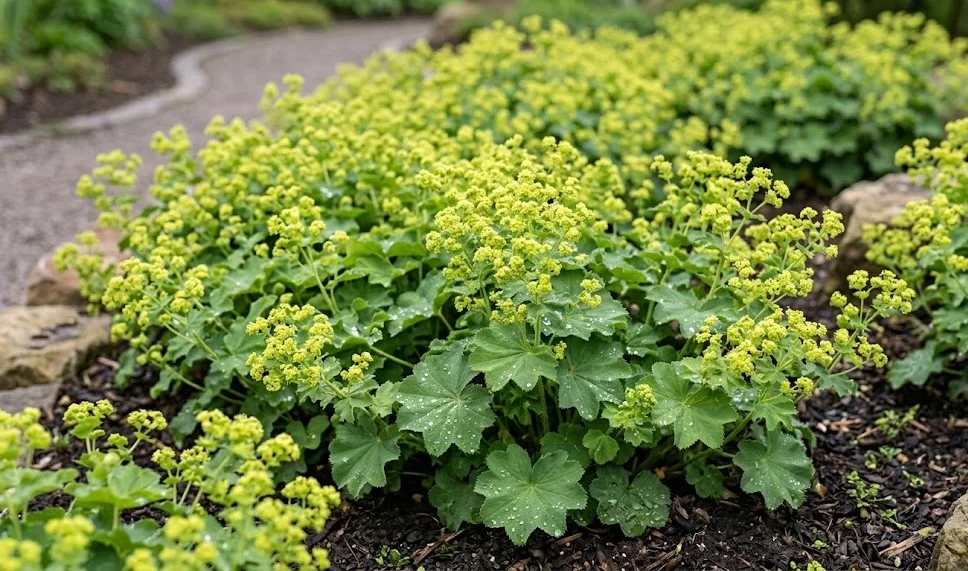
Deadheading is the process of removing spent flower heads before they have a chance to mature into seeds, and it is a vital part of perennial care. You should perform this task as soon as the bright chartreuse blossoms begin to turn brown and lose their visual appeal in the early to mid-summer. By removing the old flowers, you prevent the plant from spending its valuable energy on seed production and encourage it to focus on foliage health instead. This practice also keeps the garden looking tidy and prevents the lady’s mantle from spreading too aggressively through self-seeding.
More articles on this topic
The correct technique for deadheading involves following the flower stem down to where it emerges from the main foliage clump and making a clean cut. You should avoid leaving long, unsightly stubs that can die back and potentially become an entry point for pathogens or pests. Using a sharp pair of hand pruners or garden snips will make this task quick and easy, even in a large garden with many plants to manage. Regular deadheading throughout the blooming period will extend the overall aesthetic life of your garden borders and keep the focus on the beautiful green leaves.
Beyond the aesthetic benefits, deadheading can also improve the overall air circulation within the plant’s structure during the humid summer months. You are essentially thinning out the upper canopy of the clump, allowing more light and air to reach the lower leaves and the root crown. This simple mechanical intervention can be a major factor in preventing fungal issues like powdery mildew from taking hold. A well-deadheaded plant is not only more attractive but also inherently healthier and more resilient to environmental stressors.
Many professional gardeners find that a thorough deadheading session is the perfect time to evaluate the overall performance of their perennial beds. You should take notice of which plants are flowering most vigorously and which ones might need a bit more attention in terms of water or nutrients. This observational data is invaluable for planning future improvements and ensuring that your garden continues to evolve and thrive over time. Strategic deadheading is therefore both a maintenance task and a critical part of your long-term horticultural management strategy.
Mid-season rejuvenation
By the middle of a hot summer, the foliage of the lady’s mantle can sometimes begin to look tired, ragged, or slightly scorched by the sun. You should not be afraid to perform a more aggressive rejuvenation prune if the leaves have lost their aesthetic quality and the plant is looking generally unwell. This involve cutting the entire plant back almost to the ground, leaving just an inch or two of the stems visible above the root crown. While it may seem extreme, this practice is a powerful way to reset the plant and encourage the production of a fresh flush of beautiful new foliage.
More articles on this topic
After a rejuvenation cut, you must provide the plant with extra support in the form of deep watering and a light application of balanced fertilizer. You will be amazed at how quickly the new growth emerges, often looking even better and more vibrant than the original spring leaves. This second flush of foliage will typically stay fresh and green throughout the autumn, providing a long-lasting and attractive feature in your landscape. Knowing that you can “reboot” your plants in this way gives you much more control over the visual quality of your garden throughout the year.
The timing of a mid-season cut-back should be chosen carefully to ensure the plant has enough time to recover before the cooler weather of autumn arrives. You should ideally perform this task in late July or early August, allowing the new growth to establish itself during the remaining weeks of the primary growing season. Avoid doing an aggressive prune during periods of extreme drought unless you are prepared to provide consistent and thorough irrigation to support the recovery. A well-timed rejuvenation can breathe new life into an aging garden bed and extend its beauty well into the late season.
This technique is particularly useful if your plants have been affected by a significant pest or disease outbreak, such as a heavy infestation of aphids or a severe case of powdery mildew. By removing all the infected or damaged material, you are physically eliminating the problem and giving the plant a clean slate for its new growth. This mechanical control is often much more effective and sustainable than trying to treat damaged leaves with multiple chemical applications. Professional gardeners use this method as a routine part of their toolkit for maintaining a spectacular and healthy perennial display.
Preparation for the dormant phase
As the growing season comes to a close in the autumn, your final pruning tasks are focused on preparing the perennials for their winter rest. You should wait until after the first few hard frosts have turned the foliage brown and the plant has moved its energy reserves into the roots. Once the leaves are fully dormant, you can cut the entire clump back to just above the soil level to create a clean and tidy garden for the winter months. This late-season cleanup is essential for preventing the buildup of debris that could harbor overwintering pests or disease spores.
Removing the old stems also makes it much easier to apply a protective layer of winter mulch around the base of the plant without leaving gaps or creating mounds. You can use your garden rake to gently clear away any loose material and then apply a fresh, clean layer of bark or compost as discussed in the overwintering guide. This structured approach to the end of the season ensures that your garden remains organized and healthy even when the plants are not actively growing. A professional autumn cleanup is one of the most satisfying tasks in the gardening calendar, marking the completion of a successful year.
In some garden designs, you might choose to leave a portion of the dried foliage or seed heads for winter interest or to provide a natural habitat for beneficial insects. If you do this, you should still keep an eye on the condition of the material and remove it if it becomes excessively messy or starts to mat down and smother the crown. Balance is key, and you should adjust your approach based on your specific aesthetic goals and the health requirements of your plant collection. Whichever method you choose, consistency and attention to detail are the most important factors for long-term success.
Finally, you should take the time to clean and sharpen all your pruning tools once the final autumn cuts have been made and the garden is put to bed. You can use a sharpening stone to restore the edges of your blades and a light oil to prevent rust from forming during the damp winter months. This maintenance of your equipment is a direct reflection of your professional attitude toward the craft of gardening and the care of your landscape. Well-maintained tools will be ready to help you start the next season with efficiency and precision as soon as the first signs of spring return to your garden.