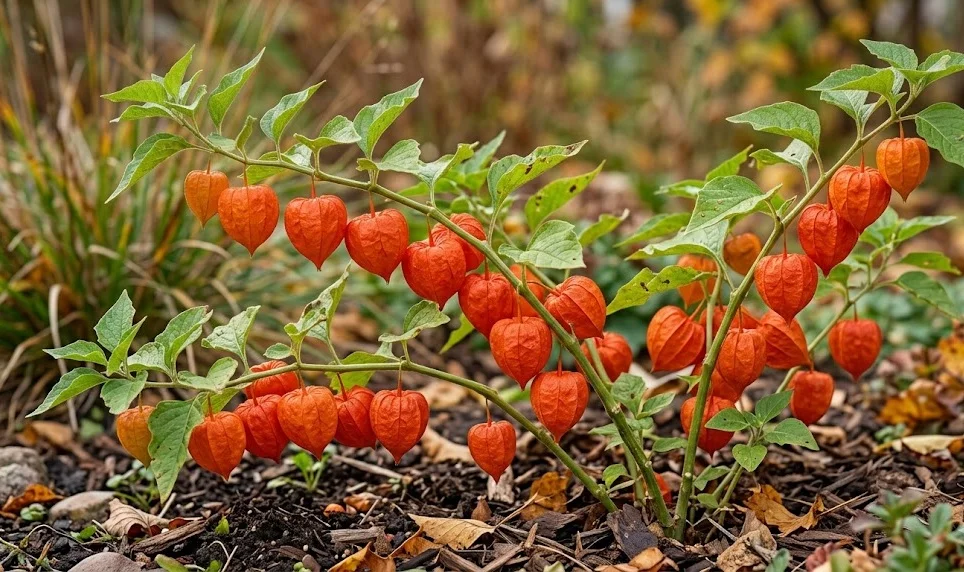

Pruning and cutting back are essential maintenance tasks that help control the growth and improve the aesthetic quality of the Chinese lantern. While the plant is quite hardy, a professional approach to these tasks ensures that it remains healthy and productive rather than becoming a tangled mess. By understanding when and how to intervene, you can direct the plant’s energy toward the development of the most beautiful lanterns. Systematic pruning is one of the most effective tools for managing both the size and the vigor of this fast-growing perennial.
There are two primary phases of pruning for this species: the active growth management in the spring and summer, and the final cut-back in the autumn or winter. Each phase serves a different purpose, from encouraging bushier growth to preparing the plant for its dormant period. Using sharp, clean tools is a professional necessity to ensure that the cuts are clean and do not introduce disease. Regular maintenance also provides an opportunity to inspect the plant closely for any emerging issues.
Cutting back is not just about aesthetics; it is also a vital part of pest and disease management. Removing old or damaged foliage reduces the hiding places for insects and the reservoir for fungal spores. It also improves air circulation within the canopy, which is the best natural defense against many common garden problems. A well-pruned plant is a healthier plant that can dedicate more of its resources to its iconic orange displays.
Knowing where to make your cuts is just as important as knowing when to prune. For the best results, always cut just above a leaf node or a lateral bud to encourage new growth in a specific direction. Avoid leaving long “stubs” of stems, as these can die back and become entry points for rot or insects. A professional gardener takes pride in the precision of their work, knowing that these details make a significant difference in the long-term success of the garden.
Summer thinning and shape management
During the height of the growing season, the Chinese lantern can become very dense, which can lead to poor air circulation and smaller lanterns. Strategic thinning of the stems can help alleviate this by allowing more light and air to reach the center of the plant. Identify the weakest or most crowded stems and remove them at the base to create a more open and balanced structure. This professional practice ensures that the remaining stems have the resources they need to thrive.
More articles on this topic
If the plants are becoming too tall or leggy, you can “pinch back” the growing tips in the late spring or early summer. This involves removing the top few inches of the stem, which stimulates the buds lower down to branch out. The result is a bushier, more compact plant with more flowering sites and, eventually, more lanterns. This technique is particularly useful for plants grown in containers where space is limited.
Deadheading, or removing spent flowers, is generally not practiced with this species because the flower is the precursor to the prized lantern. However, you should remove any leaves that are yellowing, diseased, or damaged as soon as you notice them. This prevents the plant from wasting energy on failing tissues and keeps the display looking fresh and vibrant. A clean plant is always more visually appealing and easier to manage throughout the season.
Managing the spread of the plant can also be done above ground by cutting back any stems that are leaning too far into neighboring territory. While this doesn’t stop the rhizomes from spreading, it can help maintain a tidier appearance in a mixed border. For a more professional look, try to blend the pruning so that the plant maintains a natural, yet controlled, shape. Regular, light intervention is always better than a single, drastic pruning session.
The autumn and winter cut-back
Once the autumn display is over and the first hard frosts have arrived, the foliage of the Chinese lantern will begin to turn brown and die. At this point, you have a choice to make based on your aesthetic preferences and the needs of your garden. Some professionals prefer to cut the stems down to the ground immediately to provide a clean slate for the winter. Others leave the dried stems in place through the early winter to provide structural interest and a bit of natural protection for the crown.
More articles on this topic
If you choose to leave the stems, make sure to monitor them for any signs of disease or excessive weathering. If the stems become mushy or show signs of mold, they should be removed immediately to protect the health of the roots. In most regions, the final cut-back should be completed by late winter or very early spring before the new shoots begin to emerge. This timing ensures that you don’t accidentally damage the tender new growth with your pruning tools.
When cutting back the dormant stems, aim for a height of about two to three inches above the soil line. This leaves a small “marker” so you know where the plants are located, which prevents you from accidentally digging them up or stepping on them. It also provides a bit of protection for the emerging buds in the early spring. Dispose of the old stems and foliage by composting them, provided they were free of major pests and diseases during the season.
A thorough autumn or winter cleanup is the perfect time to evaluate the overall health and spread of your Chinese lantern colony. If the patch has become too large, you can use a spade to cut through the rhizomes around the perimeter and remove the excess growth. This structural pruning is essential for keeping the plant in its designated place year after year. A professional gardener uses the dormant season to set the stage for the following year’s success.
Tool care and professional techniques
The quality of your pruning work is directly related to the condition of your tools. Sharp blades make clean cuts that heal quickly, while dull tools can crush the stems and create ragged edges that are prone to infection. Professional gardeners make it a habit to sharpen their bypass pruners and garden knives regularly throughout the season. They also clean their tools with a disinfectant, such as rubbing alcohol, between tasks to prevent the spread of pathogens.
When pruning thicker stems, always use the right tool for the job to avoid damaging both the plant and the equipment. For the relatively soft stems of the Chinese lantern, a standard pair of bypass pruners is usually the best choice. If you are dealing with older, woodier growth at the base of a very mature plant, loppers might be necessary. Using the correct technique—cutting at an angle away from the bud—is a hallmark of professional expertise.
Safety is also an important consideration when pruning, as some people may find the sap of the Chinese lantern to be mildly irritating to the skin. Wearing garden gloves is a simple but effective professional practice that protects your hands from both the sap and any minor scratches. It also provides a better grip on your tools, allowing for more precise and controlled movements. A comfortable and safe gardener is a more effective gardener.
Finally, remember that pruning is an art as much as it is a science. While there are clear guidelines, every plant and every garden is slightly different. Don’t be afraid to experiment with different levels of pruning to see how your specific plants respond. Over time, you will develop an intuitive sense of exactly what your Chinese lanterns need to look their best. This personal experience is what ultimately builds true professional-level skill in the garden.