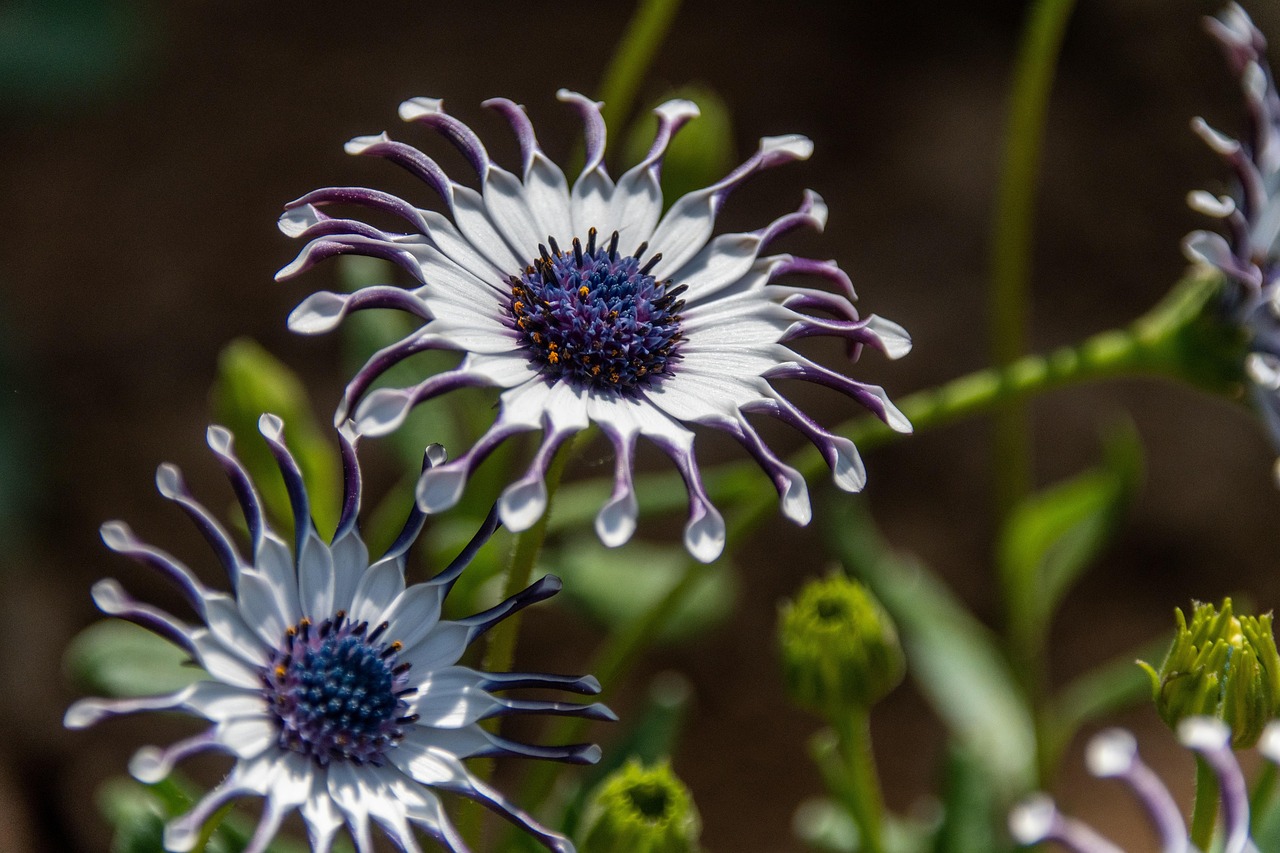

Strategic pruning is a vital skill for any gardener wishing to maintain the health and aesthetic appeal of cape daisies throughout the growing season. These plants have a naturally vigorous growth habit that can occasionally become unmanageable or untidy if left to their own devices. By applying the correct cutting techniques at the right times, you can encourage more flowers, prevent disease, and extend the overall lifespan of each specimen. Pruning is not just about shaping the plant; it is a fundamental tool for managing its biological energy and productivity.
The first major pruning task of the year usually occurs in the early spring as the plant begins its initial flush of growth. If you have overwintered your daisies, you may notice some dead or woody stems that did not survive the cold or the period of dormancy. Removing these unproductive sections allows the plant to direct its energy toward the fresh, green shoots that will carry the season’s first flowers. You should cut back to just above a healthy leaf node to encourage the plant to branch out and create a fuller, bushier structure.
Deadheading is the most frequent and perhaps the most important form of pruning you will perform during the summer months. This process involves the regular removal of spent flowers before they have a chance to develop seeds and drain the plant’s resources. By snipping off the old blooms, you signal to the plant that it has not yet completed its reproductive cycle, prompting it to produce more buds. This simple habit can double or even triple the total number of flowers you enjoy over the course of the season.
Always use high-quality, sharp pruning shears to ensure clean cuts that heal quickly and minimize the risk of infection. Dull blades can crush the delicate stem tissues, creating ragged wounds that are vulnerable to fungal spores and bacterial pathogens. It is also a professional best practice to sterilize your tools with a mild alcohol solution between different plants to prevent the accidental spread of disease. Taking care of your equipment is the first step in taking care of your garden’s long-term health and vitality.
Summer rejuvenation and shaping
By mid-summer, many cape daisies can start to look a bit tired, leggy, or sparse in the center as they react to the heat. This is the perfect time for a rejuvenation prune, which involves cutting the entire plant back by about a third of its height. While it may seem drastic to remove healthy foliage and some remaining flowers, this action stimulates a fresh burst of growth from the base. Within a few weeks, the plant will look much younger, tighter, and ready for its spectacular second show in the autumn.
More articles on this topic
When shaping the plant, aim for a rounded, mounded form that allows sunlight to reach the inner leaves and air to circulate through the center. Removing some of the interior stems can help reduce the humidity within the foliage, which is a key factor in preventing powdery mildew and other fungal issues. A well-pruned plant not only looks better but is also functionally healthier because it has a better relationship with its environment. Pay attention to the natural habit of the variety you are growing, as some are naturally more upright while others tend to spread.
If you find that your plants are growing into their neighbors or spilling too far over a pathway, you can use “heading back” cuts to control their size. This involves cutting individual stems back to a specific point to redirect growth in a more desirable direction. Always make your cuts at a forty-five-degree angle away from the bud to prevent water from pooling on the wound and causing rot. This level of precision distinguishes a professional gardener’s work from a simple, untidy trim.
Monitoring the base of the plant is also important to identify any “suckers” or weak, spindly growth that may be draining energy without contributing to the floral display. These small, thin stems often grow from the very bottom and rarely produce significant flowers. Removing them early allows the main structural stems to become stronger and more productive over time. This selective thinning is a great way to maintain the high quality of your blooms throughout the peak of the growing season.
Seasonal transitions and late-year care
As the growing season draws to a close in the late autumn, your pruning strategy should shift toward preparing the plant for the coming winter. If you live in a mild climate where the daisies can stay in the ground, a light trim to remove the final spent flowers and any damaged foliage is sufficient. Avoid heavy pruning late in the year, as this can stimulate new growth that is too tender to survive the first frost. Instead, leave most of the structure intact to provide a bit of natural insulation for the crown of the plant.
More articles on this topic
For those planning to dig up and overwinter their daisies indoors, a more significant cut-back is necessary to make the plants manageable for storage. Reducing the top growth by about half makes it much easier to pot the plants and reduces the amount of moisture they will lose through their leaves. It also makes it easier to inspect the entire plant for pests before bringing it into your clean indoor environment. This “clean slate” approach helps the plant settle into its dormant phase with minimal stress.
Root pruning is a specialized technique that is sometimes used when moving large, ground-grown daisies into containers for the winter. If the root system is too large for the pot, you can selectively trim the outer roots with a sharp, clean spade or knife. This encourages the development of a more compact, fibrous root ball that can thrive in the limited space of a container. Be sure to balance any root pruning with a corresponding reduction in the top foliage to keep the plant’s resources in equilibrium.
Finally, remember that pruning is an ongoing conversation between the gardener and the plant that evolves with every season. Each cut you make should have a specific purpose, whether it is for health, size control, or the promotion of new flowers. Over time, you will develop an intuitive feel for how your specific cape daisies respond to your interventions. This expertise will result in a garden that is always looking its best, with plants that are healthy, productive, and professionally maintained.