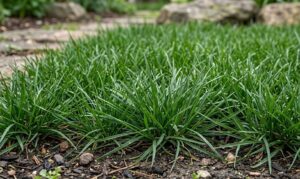
Pruning is one of the most effective tools in your gardening arsenal for managing the size, shape, and health of the Armenian cranesbill. This vigorous perennial responds very well to being cut back, whether you are simply tidying up spent flowers or performing a major rejuvenation. You should understand the different types of pruning and when to apply them to get the best results throughout the growing season. A well-pruned cranesbill will always look more professional and will be less prone to the structural issues that can affect neglected plants.
The first type of pruning you will likely perform is deadheading, which involves removing the individual spent flowers before they can set seed. This keeps the plant looking fresh and encourages it to continue producing new buds for a longer period. It is a simple and relaxing task that allows you to spend more time observing the details of your garden. You should use sharp snips to make clean cuts, taking care not to damage the surrounding foliage or any developing buds.
As the season progresses, you may find that the plant becomes a bit too large for its allocated space or starts to look a bit “floppy” in the center. This is the perfect time for a more significant cut-back, which can help restore the plant’s shape and encourage a fresh flush of foliage. Many gardeners find that a mid-summer prune can actually revitalize the plant and make it look as good as it did in the spring. You should not be afraid to be a bit bold with your shears, as this species is very resilient and grows back quickly.
Finally, the end-of-season pruning is essential for preparing the plant for its winter dormancy. This involves removing the old, dead growth to keep the garden looking tidy and to prevent any potential pest or disease issues from overwintering. By clearing away the debris, you also make it much easier to see the new growth when it emerges in the spring. Consistent pruning throughout the year is the key to maintaining a beautiful and healthy Armenian cranesbill for many years to come.
Post-flowering rejuvenation
After the main flush of magenta flowers has faded in mid-summer, the Armenian cranesbill can sometimes start to look a bit tired and overgrown. The long stems may begin to sprawl, and the older leaves at the base might lose some of their vibrant green color. This is the ideal moment to perform a “rejuvenation cut,” which involves removing a significant portion of the top growth. You should cut the entire plant back to within about ten to fifteen centimeters of the ground, leaving just a small mound of foliage.
More articles on this topic
While this may seem drastic, you will be amazed at how quickly the plant responds with a fresh flush of beautiful new leaves. Within a few weeks, the plant will form a compact and healthy mound of foliage that looks as fresh as it did in early spring. This new growth is often much more resistant to late-season issues like powdery mildew, which can affect older, stressed leaves. This simple technique is one of the secrets to keeping a perennial border looking professional all summer long.
In some cases, this mid-summer prune can even encourage a second, smaller flush of flowers later in the autumn. While not as spectacular as the first bloom, these late flowers are a wonderful bonus that adds extra value to your garden display. You should ensure that the plant is well-watered and given a light feed after such a heavy prune to support its rapid regrowth. A little bit of extra care at this stage will ensure the plant remains an asset to your garden until the first frosts.
If you prefer a more gradual approach, you can prune out the oldest and most tired stems over several weeks rather than doing it all at once. This maintains some green presence in the border while still encouraging new growth from the base of the plant. You should experiment with both methods to see which one fits best with your gardening style and the needs of your specific plants. Every garden is unique, and learning how your plants respond to pruning is a vital part of the horticultural journey.
Controlling height and spread
Because the Armenian cranesbill is a large and vigorous grower, it can sometimes outgrow its welcome in a smaller garden or a crowded border. Pruning is the most effective way to keep the plant within its intended boundaries and to ensure it doesn’t overwhelm its neighbors. You can use your shears to trim back any stems that are leaning too far into other plants or onto the lawn. This “boundary pruning” should be done regularly throughout the growing season to maintain a neat and balanced look.
More articles on this topic
You can also influence the ultimate height of the plant by performing a “Chelsea Chop” in late spring. This involves cutting back the stems by about one-third just before the flower buds begin to form. This technique results in a shorter, more branched plant that is much less likely to require staking or to flop over in the rain. While it may slightly delay the onset of flowering, the resulting display is often more robust and easier to manage in a professional garden setting.
Controlling the spread of the plant is also important for maintaining good air circulation within the garden bed. A plant that is allowed to become too dense and sprawling can trap moisture and encourage the development of fungal diseases. By thinning out some of the inner stems, you allow more light and air to reach the center of the clump, which improves the overall health of the plant. This structural pruning is an advanced technique that distinguishes an expert gardener from a novice.
When pruning for size control, always try to maintain the natural, mounded shape of the species. Avoid making flat, horizontal cuts that look artificial and “boxy,” as this detracts from the wild and graceful beauty of the cranesbill. Instead, make your cuts at varying heights and always just above a leaf node or a branch. This ensures that the new growth will follow the natural pattern of the plant and will quickly hide your pruning marks.
Essential tools for maintenance
To perform professional-quality pruning, you must start with the right tools and keep them in excellent condition. A high-quality pair of bypass pruners (secateurs) is the most important tool for any gardener working with perennials like the Armenian cranesbill. Bypass pruners work like scissors, making a clean and precise cut that doesn’t crush the delicate stems of the plant. You should invest in a good pair that fits your hand comfortably and can be easily sharpened when needed.
For larger rejuvenation tasks or for cutting back the entire plant in the autumn, a pair of sharp garden shears can be very useful. Shears allow you to work more quickly and to achieve a more even shape across the entire mound of foliage. You should always check that the blades are properly aligned and free of any nicks that could snag the plant tissue. Keeping your tools clean and sharp is not just about efficiency; it is also about preventing the spread of disease between your plants.
A small, sharp garden knife can also be helpful for making precise cuts in tight spaces or for dividing the root clump. You should always use a knife with a fixed blade or a secure locking mechanism to ensure your safety while working. Every tool you use should be wiped down with a disinfectant after each use to kill any potential pathogens. This simple habit is a hallmark of a professional horticulturalist who takes plant health seriously.
Finally, consider using a good pair of gardening gloves to protect your hands from the textured stems and any potential skin irritations. While the Armenian cranesbill is not toxic, some people find that the foliage can be slightly abrasive or have a strong scent that lingers on the skin. Having the right protective gear makes your pruning tasks much more enjoyable and allows you to work with confidence. A well-equipped gardener is a much more effective and successful one.