
Pruning and cutting back are essential maintenance tasks that help maintain the health, vigor, and aesthetic appeal of the anatolian saffron. Because this plant has a non-traditional growth habit, you must be very specific about when and how you use your garden shears. You should understand that “pruning” in this context refers primarily to the management of spent flowers and old foliage rather than the shaping of the plant itself. A professional approach to this task ensures that you are supporting the plant’s natural life cycle while keeping your garden tidy.
The most important rule when it comes to cutting back the anatolian saffron is to never interfere with the green leaves. These leaves are the primary source of energy for the plant, and removing them prematurely will significantly weaken the corm. You must have the patience to allow the foliage to complete its work and turn completely yellow or brown before you even consider reaching for your tools. This restraint is what separates an expert gardener from a novice who is too focused on immediate garden tidiness.
During the autumn flowering phase, a bit of “deadheading” can help keep the display looking its best and prevent the plant from wasting energy on seed production. However, even this must be done with care to avoid damaging the delicate flower tubes or the emerging tips of other shoots. You should use sharp, clean scissors to make precise cuts, ensuring that you are not tearing the plant tissues. Good hygiene is just as important during pruning as it is during any other part of the care routine.
Ultimately, the goal of pruning and cutting back is to transition the plant smoothly from one phase of its life cycle to the next. By removing old material, you are reducing the risk of disease and making room for the next season’s growth. You should view these tasks as a form of “housekeeping” that keeps your saffron colony healthy and productive year after year. With the right techniques and timing, you can manage your anatolian saffron with the skill and precision of a professional horticulturist.
Managing the autumn flowers and spent blooms
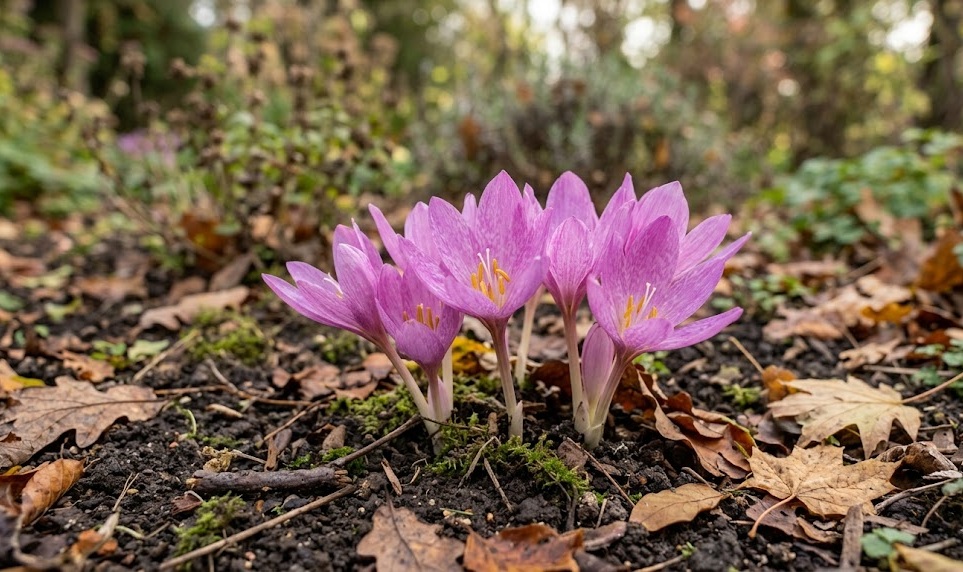
As the beautiful lilac flowers of the anatolian saffron begin to fade, they can become somewhat messy and may start to lean over or collapse. You can perform a light tidying up by removing the wilted flower heads once they have completely lost their color and structural integrity. You should cut the flower tube as close to the ground as possible without disturbing the soil or any nearby emerging buds. This practice keeps the garden beds looking neat and prevents the “slumping” of old flowers from smothering smaller plants.
More articles on this topic
If you do not wish to collect seeds, deadheading is highly recommended as it directs the plant’s energy back into the corm rather than into seed development. You should be aware that the seed pods actually form underground and only emerge in the following spring along with the leaves. However, removing the spent flowers can still have a positive effect on the plant’s overall resource management. It also removes a potential food source for slugs and snails, which are often attracted to decaying plant matter.
In some cases, you may choose to leave the flowers in place to allow them to go through their full natural cycle. If you are aiming for a very naturalistic or “wild” look in your garden, this minimal intervention approach can be very effective. You should only intervene if the old flowers are clearly causing a problem, such as harborning pests or looking exceptionally untidy. A professional decision on whether to deadhead depends on your specific aesthetic goals and the overall health of the colony.
When you are cutting back the spent blooms, always use tools that have been properly cleaned and sharpened. This ensures a clean cut that heals quickly and reduces the risk of introducing pathogens into the plant. You should also be careful not to step on the area where the corms are buried, as the soil can be quite soft during the autumn rains. A careful, systematic approach to autumn maintenance will leave your saffron beds in excellent condition for the coming winter rest.
Handling the spring foliage correctly
The spring foliage of the anatolian saffron is large, robust, and can take up quite a bit of space in the garden bed. As these leaves complete their work in late spring or early summer, they will naturally begin to turn yellow and eventually wither away. You should resist the urge to cut these leaves back while they still have any hint of green in them. The process of the leaves turning yellow is actually a sign that the nutrients are being “reabsorbed” back into the corm for future use.
More articles on this topic
Once the foliage has turned completely brown and feels “crisp” or dry to the touch, you can safely remove it from the garden. You should find that the leaves often pull away from the ground with a gentle tug, or you can cut them off at the soil surface with shears. Removing this old material is important because it prevents the buildup of a thick mat of dead leaves that can trap moisture and encourage rot. It also clears the way for the summer-blooming perennials that might be sharing the same space.
If you have your anatolian saffron planted in a lawn or a meadow-like area, you must adjust your mowing schedule to accommodate the plants. You should avoid mowing the area until the saffron leaves have completely died back, which usually happens by early summer. Mowing the green leaves is a sure way to kill off the colony over a few seasons because the corms will eventually starve. This requirement for a delayed mowing schedule is a key consideration when deciding where to plant your saffron in a larger landscape.
A professional tip for managing the large spring leaves is to “tuck” them under or behind other plants as they start to fade. This helps to hide the yellowing foliage without actually removing it from the plant. You can also plant your saffron among hostas or other large-leaved perennials that will expand and cover the fading saffron leaves as the season progresses. By using the natural growth patterns of your garden, you can manage the “untidy” phase of the saffron life cycle without compromising the plant’s health.
Pruning for health and garden hygiene
Beyond the regular management of flowers and leaves, you should occasionally perform “hygienic pruning” to address any specific health issues. This involves removing any parts of the plant that show signs of disease, such as fungal spots or bacterial rot, as soon as you notice them. You should cut well into the healthy tissue to ensure that you have removed all of the infected material. This proactive approach can prevent a localized problem from spreading throughout your entire anatolian saffron collection.
During the summer dormancy, you should also take the opportunity to clear away any weeds or competing vegetation that have encroached on the saffron site. While not “pruning” the saffron itself, this clearing of the surrounding area is a vital part of the same maintenance routine. You should be careful not to dig too deeply, as you do not want to disturb the dormant corms that are resting just below the surface. Keeping the area clean and open ensures that the plants have the best possible start when they “wake up” in the autumn.
If you are dividing your clumps, as discussed in the propagation chapter, this is also a time for a type of “root and corm pruning.” You should remove any old, shriveled “husk” material from the outside of the corms to reveal the healthy, firm tissue beneath. You should also trim away any long, dead roots from previous years that are no longer serving a purpose. This cleaning of the corms before replanting is a professional practice that helps prevent the carry-over of soil-borne pests and diseases.
Finally, always dispose of your garden waste responsibly, especially if you have been removing diseased or pest-infested material. You should burn or bag and dispose of any suspicious plant parts rather than putting them in your home compost pile. Maintaining high standards of garden hygiene is a fundamental part of expert plant care that pays off in the long-term health of your garden. By being disciplined about pruning and cleaning, you are ensuring that your anatolian saffron remains a vibrant and beautiful part of your horticultural legacy.