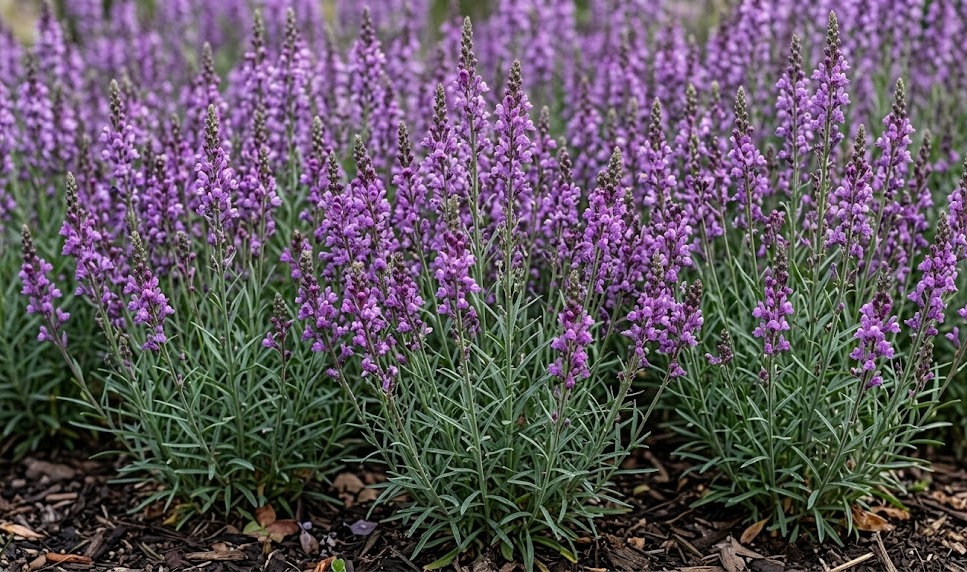

The art of pruning and cutting back purple toadflax is a fundamental skill for any professional gardener who aims to maintain a tidy, healthy, and long-flowering garden display. While this perennial species is relatively low-maintenance, a few well-timed interventions can significantly enhance its aesthetic appeal and structural vigor. Pruning is not merely about removing dead material; it is a strategic tool used to direct the plant’s energy, encourage new growth, and prevent unwanted self-seeding. Expert techniques focus on the timing and the precision of the cuts to ensure the plant remains a standout feature in the landscape.
The primary reason for cutting back these plants is to manage their lifecycle and maintain the overall design of the border. After the first flush of flowers has faded in mid-summer, the tall spikes can begin to look a bit tired or untidy. By removing these spent flower stalks, the gardener stimulates the plant to produce a second, albeit smaller, round of blooms later in the season. This professional practice, often called “deadheading,” effectively extends the period of color in the garden and keeps the display looking fresh for several extra weeks.
In addition to deadheading, a more significant cutting back may be required at the end of the growing season or in the early spring. This allows for the removal of all the previous year’s growth, clearing the way for the fresh, green shoots that will emerge from the base of the plant. A clean slate at the start of each season is essential for preventing the buildup of pests and diseases that might hide in the old foliage. Professional garden management involves a disciplined approach to this annual cleanup, ensuring that the garden is always ready for its next phase of growth.
Pruning also plays a role in controlling the spread of the plant, as purple toadflax is a prolific self-seeder in many environments. If left to its own devices, a single plant can produce thousands of seeds that will sprout in every available gap in the garden. For some designs, this naturalization is desired, but in a more formal or professional setting, it must be carefully managed. Cutting back the flower spikes before the seed pods have a chance to open is the most effective way to maintain control over the garden’s population.
Deadheading and stimulating summer growth
Deadheading is a simple but highly effective professional technique that involves removing individual flower spikes as soon as the majority of the blooms have faded. The cut should be made just above a leaf or a side bud further down the stem, which encourages the plant to branch out and produce more flowers. This process diverts energy away from seed production and back into the vegetative and floral growth of the plant. An expert gardener will perform this task every few days during the peak of the summer to keep the plants looking their absolute best.
More articles on this topic
The visual impact of deadheading is immediate, as it removes the brown and withered parts of the plant and reveals the healthy green foliage below. It creates a much more polished and intentional look for the entire garden border, which is a key requirement for any magazine-worthy landscape. Beyond the aesthetics, removing the old flowers also improves air circulation around the remaining parts of the plant. This reduces the humidity levels that can favor the development of fungal pathogens during the warm summer months.
In some cases, if the entire plant has become leggy or overwhelmed by the heat of summer, a more drastic “Chelsea chop” style of pruning can be beneficial. This involves cutting the entire plant back by about one-third or even a half in late spring or early summer. While this will delay the flowering slightly, it results in a much sturdier, bushier plant with more numerous flowering spikes. This professional trick is often used to manage the height of taller perennials and ensure they don’t flop over later in the season.
Observing the plant’s response to these different pruning techniques is part of the learning process for any serious horticulturalist. Some individual specimens may respond more vigorously than others, and the timing may need to be adjusted based on the local weather conditions. A professional approach involves constant experimentation and refinement of the maintenance routine to achieve the best possible results. Mastery of summer pruning is what separates a casually maintained garden from one that is truly exceptional and expert.
Seasonal structural pruning and cleanup
As autumn transitions into winter, the decision of when to do the final cut-back of the season depends on the gardener’s aesthetic and ecological goals. Some professionals prefer to leave the dried stalks standing throughout the winter, as they provide a beautiful architectural element in a frosted or snowy landscape. These hollow stems can also serve as important overwintering sites for beneficial insects like ladybugs and solitary bees. A professional perspective balances the desire for a tidy garden with the need to support the local ecosystem.
More articles on this topic
However, if a clean and orderly appearance is the priority, the entire plant can be cut back to a few inches above the ground once the foliage has turned brown. This task is often performed in late autumn or early winter as part of the overall garden cleanup process. Using sharp, clean shears is essential for making clean cuts that won’t tear the plant tissues or invite disease. A professional standard of work ensures that the garden looks well-cared-for even during its dormant phase.
Early spring is another traditional time for the final structural pruning, just before the new growth begins to emerge from the crown. Clearing away the old debris at this time allows the sun to reach the soil and warm up the roots, which can stimulate an earlier start to the growing season. It also makes it much easier to apply mulch or fertilizer around the base of the plant without being hindered by the old stalks. Expert spring maintenance is all about preparing the foundation for a successful and vibrant year ahead.
When cutting back the plant, it is important to be careful not to damage the emerging new shoots that are often hidden just below the surface or at the base of the old stems. A light touch and a keen eye are the hallmarks of a professional who treats each plant with respect and care. Once the old growth has been removed, it should be disposed of properly, especially if there were any signs of disease during the previous year. Maintaining this high standard of garden hygiene is a core part of professional horticultural practice.
Tool selection and professional techniques
Having the right tools for the job is essential for any professional gardener who wants to achieve clean and effective results. For the relatively thin and soft stems of purple toadflax, a pair of sharp bypass pruners is usually the best choice. Bypass shears work like scissors and provide a clean cut that heals quickly, unlike anvil pruners which can sometimes crush the stems. Keeping the blades sharp and well-oiled is a basic but vital part of professional equipment maintenance.
For larger areas or when cutting back multiple plants at once, a set of lightweight garden shears can be more efficient and provide a more uniform finish. These are particularly useful for the “Chelsea chop” or for the final autumn cleanup of a large border. No matter which tool is used, it should always be cleaned with a disinfectant solution between different plants to prevent the spread of pathogens. This professional habit is a key part of maintaining a healthy and disease-free garden environment.
The technique used for making each individual cut also matters for the long-term health and appearance of the plant. Cuts should ideally be made at a slight angle away from any buds, which prevents water from sitting on the cut surface and causing rot. Avoiding leaving long “stubs” of stem is another professional tip, as these can die back and become an entry point for pests. A precise and thoughtful approach to every cut is the mark of a true horticultural expert.
Ultimately, the pruning and cutting back of purple toadflax is a rhythmic and satisfying part of the gardener’s annual cycle. It provides a direct connection to the plant’s growth and development and allows the gardener to shape the beauty of the landscape. With the right techniques and a bit of practice, anyone can master these skills and create a professional-level floral display. The rewards are found in the healthy, vibrant, and perfectly maintained garden that returns year after year.
Would you like me to create more expert gardening articles or perhaps provide a professional maintenance calendar for these perennials?