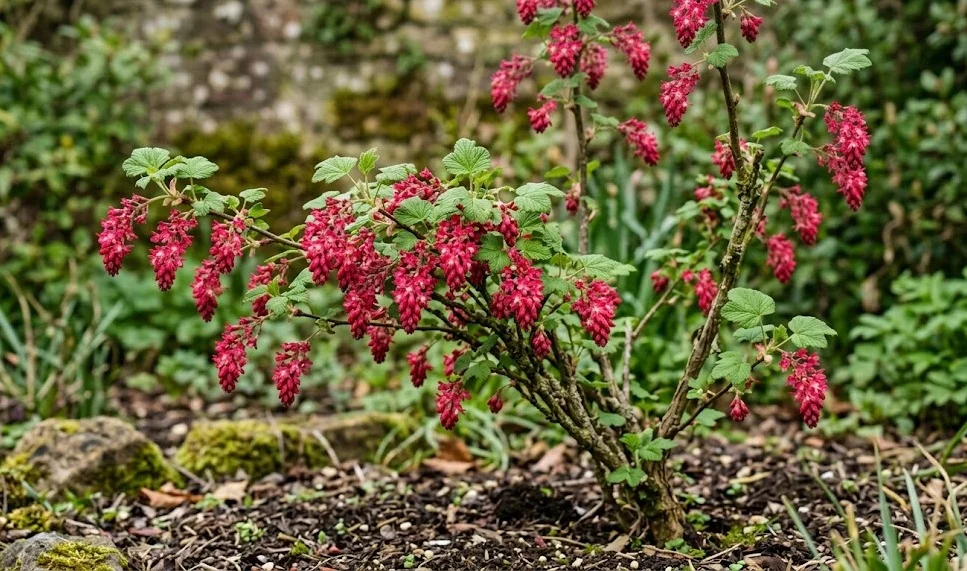

The structural management of this ornamental shrub through regular pruning is essential for maintaining its health, vigor, and spectacular spring display. Professionals recognize that the timing and technique of cutting back are critical, as improper pruning can result in the loss of a whole season’s flowers. By understanding the growth habit of the species and following a systematic approach to maintenance, you can ensure that the plant remains a vibrant and well-proportioned element of your garden. This guide provides detailed instructions on how to master the art of pruning for both youthful and established specimens.
Timing the annual prune for maximum success
Determining the correct time to prune is the most important decision a gardener makes when managing this species, as it blooms on the previous year’s wood. The optimal window for general maintenance pruning is immediately after the flowers have faded in late spring or early summer. By pruning at this time, you allow the plant the maximum amount of time to grow new stems and develop the flower buds that will bloom the following year. Pruning too late in the summer or during the winter will remove these developing buds, resulting in a disappointing floral display in the spring.
Immediately following the bloom period, the plant enters a phase of vigorous vegetative growth, making it resilient to the stress of being cut back. This is the ideal time to remove any dead, damaged, or diseased wood that may have become apparent during the spring. Clean, sharp cuts made at this time heal quickly, reducing the risk of pathogens entering the plant’s vascular system through the pruning wounds. Regular annual attention prevents the shrub from becoming overly dense or unmanageable, which simplifies the task in future years.
In addition to the post-flowering prune, a quick inspection during the dormant winter months can be beneficial for identifying structural issues. While you should avoid heavy cutting at this time, removing a few crossing or rubbing branches can improve the overall architecture of the shrub. This “light touch” during the winter helps to maintain the plant’s form without sacrificing the precious flower buds that are waiting to emerge. However, always prioritize the main pruning session in late spring for any significant shaping or reduction of the plant’s size.
Understanding the natural cycle of the shrub allows you to work in harmony with its biological rhythms rather than against them. Each cut you make should have a clear purpose, whether it is to improve health, shape the plant, or encourage more flowers. By sticking to the professional schedule of post-bloom pruning, you ensure that the plant remains productive and aesthetically pleasing year after year. This consistency is the key to creating a truly professional-looking specimen in any garden landscape.
More articles on this topic
Deadheading and structural shaping techniques
Deadheading, or the removal of spent flower clusters, is a simple but effective technique for improving the appearance of the shrub after its spring show. While it is not strictly necessary for the health of the plant, removing the fading blossoms prevents the energy-intensive production of seeds. This allows the shrub to redirect its resources toward the growth of new stems and the development of robust foliage for the rest of the season. Use sharp hand pruners to cut back the flower stalks to the first set of healthy leaves or a strong lateral bud.
Structural shaping involves a more comprehensive look at the overall form of the shrub and how it fits into the surrounding garden space. The goal is to maintain a natural, rounded shape while ensuring that the center of the plant remains open to light and air. Start by identifying any branches that are growing inward or crossing over each other, as these will eventually lead to friction and potential disease entry points. Removing these problematic stems early on helps to create a strong and balanced framework that can support the weight of future blooms.
When reducing the size of a shrub, it is always better to make a few large cuts at the base of the plant rather than many small cuts at the tips of the branches. This technique, known as thinning, maintains the natural elegant form of the species while reducing its overall volume. Avoid “topping” the shrub or cutting it into a rigid geometric shape, as this results in a flush of weak, unattractive growth at the ends of the stems. A professional approach respects the natural habit of the plant and seeks to enhance it rather than fight against it.
Always use high-quality, sterilized tools for every pruning task to ensure the best possible outcome for the plant’s health. Clean cuts heal much faster and are less likely to harbor fungal spores or insect pests than ragged, torn edges. If you are dealing with a particularly large or old specimen, it may be helpful to step back and view the plant from several angles during the process. This ensures that you are maintaining a symmetrical and pleasing shape as you work your way through the canopy.
More articles on this topic
Rejuvenating old and neglected specimens
Over time, even the best-cared-for shrubs can become overly woody and less productive, requiring a more intensive approach to rejuvenation. If a specimen has become a tangled mess of old stems with very few flowers, it may benefit from a process known as renewal pruning. This involves removing about one-third of the oldest, thickest branches right down to the ground level each year for three consecutive years. By the end of this period, the entire plant will have been replaced by fresh, vigorous wood that is much more capable of producing a spectacular floral display.
This gradual approach to rejuvenation is much safer for the plant than cutting everything back to the ground in a single season. It allows the shrub to maintain a functional canopy and a steady supply of energy while it works on regenerating its lost biomass. As you remove the old wood, the increased light and space will trigger the growth of new “suckers” from the base of the plant. These new shoots should be thinned out, leaving only the strongest and best-placed ones to form the new framework of the shrub.
Regularly applying a layer of organic mulch and ensuring adequate moisture after heavy rejuvenation pruning will help the plant recover more quickly. The loss of a large portion of its canopy is a significant stress event, and the shrub will need extra support to rebuild its structure. Avoid heavy fertilization immediately after pruning, as the goal is to encourage steady, strong growth rather than a sudden flush of weak, sappy stems. Patience is essential during this process, as it may take a year or two for the new growth to reach its full flowering potential.
Rejuvenating an old shrub is one of the most rewarding tasks for a professional gardener, as it breathes new life into a permanent landscape feature. It is a testament to the resilience of the species that even a neglected specimen can be restored to its former glory with the right care. Once the rejuvenation process is complete, return to a regular annual maintenance routine to prevent the plant from becoming overgrown again. With this systematic approach to pruning, you can ensure that your flowering currant remains a highlight of the garden for many decades to come.