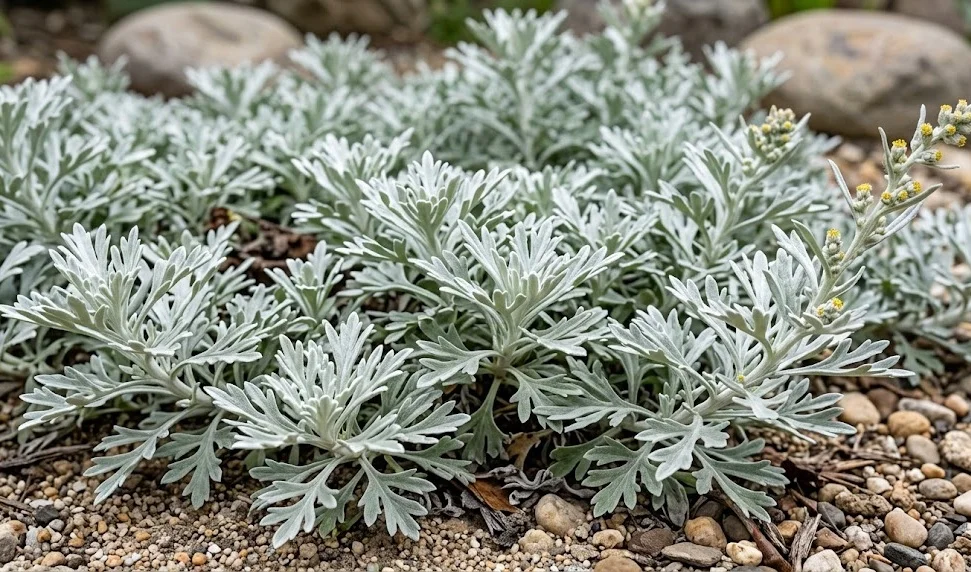

Pruning and cutting back of dusty miller is a vital maintenance task that ensures your plants remain healthy, compact, and visually appealing. Without regular attention, this perennial can become woody, sparse, and lose the dense silver texture that makes it so popular in garden design. The goal of pruning is to encourage fresh, vigorous growth from the base and to maintain a well-proportioned shape. A professional approach to cutting back involves knowing both when to trim and how much of the plant to remove.
Most pruning tasks for this species are relatively simple and can be integrated into your regular garden routine. You should focus on removing any dead or damaged stems as soon as they appear to prevent the spread of disease. Beyond basic cleanup, strategic pruning helps manage the plant’s energy and keeps it from becoming too “leggy” during the peak of the growing season. By mastering a few basic techniques, you can ensure your silver foliage remains a highlight of your garden for years.
The timing of your pruning is just as important as the technique you use to cut the stems. There are different types of pruning required throughout the year, from light pinching in the spring to a more significant cut-back in the autumn or early spring. Each of these actions serves a specific purpose in the plant’s lifecycle and helps it adapt to the changing seasons. Professional gardeners always consider the plant’s current growth stage before they pick up their shears.
Tools for pruning should always be sharp and clean to prevent tearing the delicate stems and introducing pathogens. You can use a pair of bypass pruners for thicker stems or simply use your fingers for light pinching of new growth. This article provides detailed instructions on how to shape and rejuvenate your plants through professional pruning practices. With a little care and attention, your dusty miller will continue to produce that beautiful, felt-like silver foliage that defines the species.
Routine maintenance and pinching techniques
Pinching is one of the most effective ways to encourage a dense and bushy growth habit in young plants. You should use your thumb and forefinger to remove the very tip of each main stem once the plant has reached a few inches in height. This simple action disrupts the plant’s apical dominance and forces it to produce new branches from the nodes below the cut. Regular pinching throughout the early part of the season will result in a much fuller, more attractive silver mound.
More articles on this topic
As the plant matures, you should continue to remove any stems that are growing out of proportion with the rest of the mound. This routine maintenance helps keep the plant looking tidy and prevents it from encroaching on its neighbors in a crowded border. You should also look for any leaves that have turned brown or yellow at the base and remove them to improve airflow. Keeping the interior of the plant clean is a key professional strategy for preventing pest and disease issues.
Removing the flower stalks is another important part of routine maintenance for many gardeners. While the small yellow flowers are interesting, they can take a lot of energy away from the foliage and cause the plant to become “open” and leggy. You should cut the flower stalks back to the main foliage as soon as they begin to emerge in the summer. This keeps the plant’s focus on producing the beautiful silver leaves that are its primary attraction.
You can also use light pruning to “deadhead” any spent foliage or to shape the plant after a period of rapid growth. This isn’t a heavy cut-back, but rather a gentle grooming that maintains the plant’s overall aesthetic. If you stay on top of these minor tasks, you will rarely need to perform a drastic renovation of the plant. Professional gardening is often about many small interventions that lead to a consistently high-quality result.
Strategic cutting for shape and size control
If your plants have become too large for their space or have started to sprawl, a more strategic approach to pruning is necessary. You should look for the natural “skeleton” of the plant and decide which branches to shorten to restore a balanced shape. When cutting, always make your incision just above a healthy leaf node or a dormant bud to encourage new growth in the right direction. This technique ensures that the plant recovers quickly and doesn’t leave behind unsightly bare stubs.
More articles on this topic
Size control is especially important when this species is used as a border or edging plant. You should prune back the outer stems regularly to prevent them from spilling too far onto pathways or other plants. A well-defined edge creates a professional, intentional look in the landscape that highlights the silver color against the green of the lawn or soil. Using a consistent pruning schedule will make it much easier to maintain these clean lines throughout the year.
If you notice that the center of the plant is becoming woody or sparse, you can use “thinning cuts” to allow more light and air into the crown. This involves removing a few of the oldest, thickest stems right at the base of the plant. This professional technique stimulates the production of fresh, silver shoots from the center, rejuvenating the entire specimen. A plant that is regularly thinned will stay productive and healthy much longer than one that is left to grow completely unchecked.
When you are pruning for shape, step back frequently to view the plant from different angles and distances. This helps you maintain a natural, rounded form rather than creating artificial, flat surfaces. The goal is to make the plant look like it has naturally grown into its perfect shape. Strategic pruning is as much an art as it is a science, and it becomes easier the more you practice and observe how your plants respond.
Hard pruning for rejuvenation and winter prep
Every few years, or if a plant has been severely neglected, you may need to perform a “hard pruning” to rejuvenate it. This involves cutting the entire plant back to within a few inches of the ground, usually in the early spring just as new growth begins. While it may seem drastic, this process removes all the old, woody material and allows the plant to start over with fresh, vibrant foliage. You should only perform a hard pruning on established, healthy plants that have a strong root system.
After a hard pruning, the plant will need a bit of extra attention to help it recover and grow back quickly. You should ensure it has adequate water and perhaps a very light application of balanced fertilizer to support the new flush of growth. Within a few weeks, you will see a dense cushion of silver shoots emerging from the base, which will soon form a beautiful new mound. This rejuvenation technique can add many years to the productive life of your dusty miller.
Autumn pruning should be kept to a minimum, especially in colder climates where the old foliage provides winter protection. You should only remove any diseased or broken stems at the end of the season to prevent pathogens from overwintering. Saving the major cleanup for the spring is a professional practice that increases the survival rate of the plant through the cold months. If you must tidy up in the fall, do so only lightly and avoid cutting into the woody parts of the plant.
When the spring finally arrives, you can finish the job by cutting away any winter-damaged stems to make room for the new season’s growth. This final cleanup is the starting point for your year-round maintenance routine. By combining spring rejuvenation with summer pinching and routine grooming, you will have a silver perennial that always looks its professional best. Proper pruning is the key to unlocking the full potential of this resilient and beautiful plant.