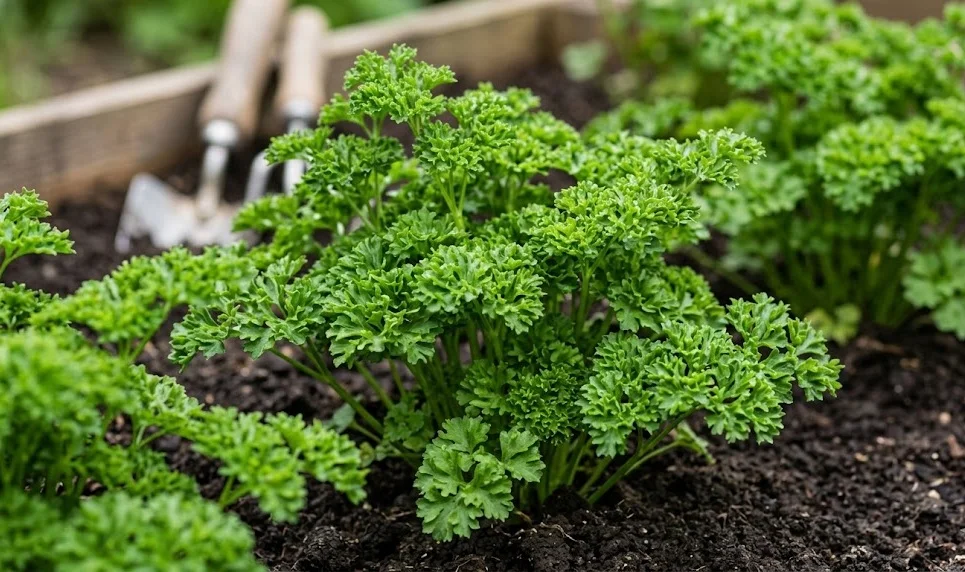

Pruning and cutting back curly leaf parsley is a fundamental skill that directly influences the plant’s productivity, health, and flavor profile. Unlike many other garden plants where pruning is a rare event, parsley benefits from regular and strategic intervention throughout its growing season. By removing specific parts of the plant at the right time, you encourage new growth and prevent the herb from becoming overgrown or bitter. Professional gardeners view pruning as a form of “active harvesting” that keeps the plant in its most vigorous and useful state.
The most common form of pruning for curly leaf parsley is the regular harvesting of its outer leaves for use in the kitchen. You should always aim to take the most mature leaves from the outside of the cluster, leaving the tender new growth in the center untouched. This method ensures that the plant always has enough photosynthetic surface area to continue producing energy and growing new stems. Using sharp, clean scissors rather than your fingers will result in a clean cut that heals quickly and reduces the risk of infection.
Cutting back becomes more intensive if the plant has been neglected or if it has grown too large for its allocated space in the garden. You might find that the older, lower leaves have become yellow or tough, which can sap the plant’s energy and provide a home for pests. In this case, a “rejuvenation prune” where you remove up to a third of the oldest foliage can stimulate a flush of fresh, tender growth. You will notice that the plant responds quickly to this treatment, often looking much healthier within a week or two.
Timing is a critical factor in how you approach pruning and cutting back your parsley throughout the year. During the height of the summer growth spurt, you may need to prune every week to keep the plant from becoming too dense and trapping moisture. In the cooler months of spring and autumn, the growth is slower, and your pruning should be more conservative to avoid over-stressing the plant. Understanding these seasonal rhythms allows you to manage the plant’s energy levels with professional precision and care.
Strategic removal of flower stalks and bolting
One of the most important professional pruning tasks is the immediate removal of any emerging flower stalks, a process known as “de-bolting.” Because parsley is a biennial, it will eventually try to produce a large, thick stem in the center that will bear seeds and complete its life cycle. Once this process begins, the energy of the plant is diverted away from the leaves, causing them to become tough, fibrous, and lose their delicate flavor. You must be vigilant and pinch out these stalks as soon as you see them emerging from the crown of the plant.
More articles on this topic
Regularly checking the center of your curly leaf parsley is the only way to catch these flower stalks before they become too established. They are easy to distinguish from the regular leaf stems because they are much thicker, rounder, and often have a slightly different color. By removing them early, you can “trick” the plant into continuing its vegetative growth for several more weeks or even months. This professional technique is essential for extending the useful life of your parsley crop and maximizing your total harvest.
If you have allowed the plant to bolt and it has already produced a large flower head, you can still try to cut it back, but the success rate is lower. At this stage, you should cut the central stalk as low as possible without damaging the surrounding leaf bases. While this might encourage a few more leaves to grow, the plant’s internal chemistry has already shifted toward reproduction. Many professional growers at this point choose to let one or two plants go to seed while replacing the rest with fresh young seedlings.
Managing the “bolting” phase is a part of understanding the natural life cycle of the parsley plant and working with it rather than against it. While we want as many leaves as possible, the plant’s drive to reproduce is very strong and cannot be delayed indefinitely. Pruning is our primary tool for managing this tension and ensuring we get the highest quality herbs for as long as possible. A skilled gardener knows when to fight for more leaves and when to let the plant follow its natural path to seed.
Thinning and cleaning for improved air circulation
Thinning the foliage of curly leaf parsley is a professional maintenance task that is often overlooked by casual gardeners. Because the leaves are so ruffled and dense, they can easily create a stagnant micro-environment that is perfect for mold and rot. You should periodically remove some of the inner leaves, even if they are healthy, to allow light and air to reach the center of the crown. This simple act of “opening up” the plant can significantly reduce the risk of many common fungal diseases.
More articles on this topic
Cleaning the base of the plant is another essential part of your pruning and maintenance routine. You should remove any leaves that are touching the soil, as these are the first to rot and provide an entry point for soil-borne pathogens. Keeping the “legs” of the parsley clear of debris and old foliage ensures that the crown stays dry and healthy. This professional level of sanitation is what keeps a parsley bed looking pristine and productive throughout the entire growing season.
When you are cutting back the plant for cleaning or thinning, always make your cuts at an angle to allow any water or dew to run off the wound. Flat cuts can collect moisture, which increases the chance of rot or bacterial infection at the site of the pruning. You should also ensure that your tools are sterilized with alcohol between plants to prevent the accidental spread of viruses or fungi. These small technical details are the hallmark of a professional approach to herb gardening and plant care.
Finally, remember that pruning is also a way to shape the plant and keep it within its allotted space in the garden. If your curly leaf parsley is starting to crowd out neighboring herbs like chives or basil, don’t be afraid to be a bit more aggressive with your cutting. Parsley is a resilient plant that can handle a significant amount of pruning if it is well-watered and properly fed. By maintaining a disciplined pruning schedule, you ensure that your entire herb garden remains balanced, healthy, and easy to manage.