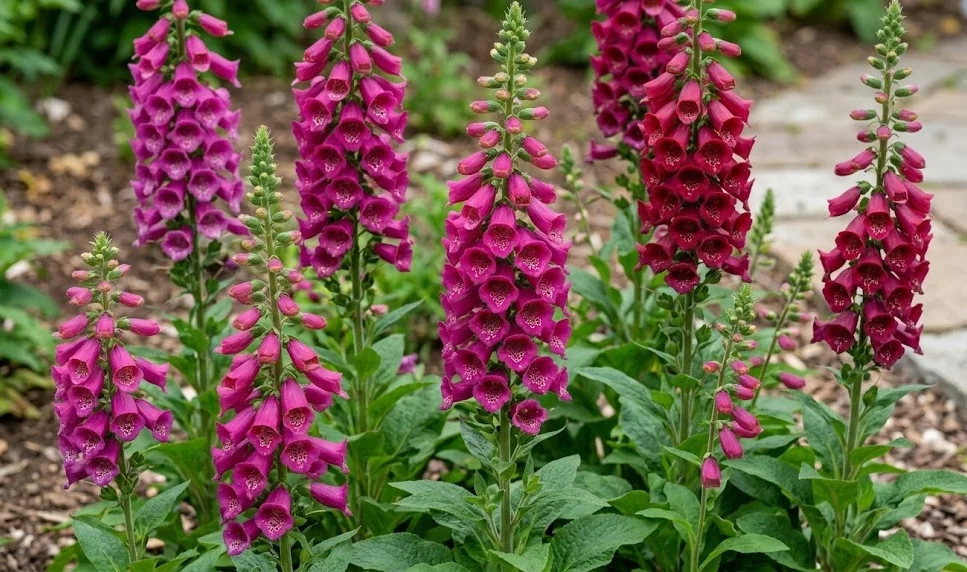

Strategic pruning and cutting back are essential maintenance tasks that help manage the life cycle, aesthetic appeal, and health of common foxglove. While these plants do not require the complex pruning regimes of woody shrubs, the timely removal of spent flowers and diseased foliage can have a profound impact on their performance. For the professional gardener, pruning is a tool used to direct the plant’s energy, prevent the spread of pathogens, and control the natural self-seeding process. Understanding when and how to intervene with your shears is a key part of successful Digitalis cultivation.
The most common reason for pruning foxgloves is “deadheading,” which is the removal of the main flower spike once it has finished blooming. This practice prevents the plant from putting all its energy into seed production, which can sometimes encourage the development of smaller side-shoots for a second, minor floral display. In some shorter-lived perennial varieties, deadheading can also help the plant conserve enough energy to survive for another year. Even in strictly biennial types, removing the spent stalk improves the appearance of the garden and makes room for the next generation of seedlings.
Cutting back is also a vital part of garden hygiene, particularly at the end of the growing season or when a plant shows signs of disease. Removing yellowing or fungal-infected leaves from the base of the rosette prevents the spread of spores to healthy tissue and improves the overall airflow. In the late autumn, cutting the dead flower stalks all the way to the ground tidies up the landscape and removes overwintering sites for common garden pests. This proactive approach ensures that the garden remains a clean and healthy environment for both the current and future generations of foxgloves.
Safety is a critical consideration when pruning common foxglove, as every part of the plant contains powerful cardiac glycosides that are toxic if ingested or if they enter the bloodstream through a cut. It is highly recommended to wear gloves when handling the plants and to wash your hands and tools thoroughly after the job is done. While the risk is minimal with sensible handling, professional caution is always the best policy when working with toxic species. This respect for the plant’s natural defenses is an integral part of responsible and professional gardening.
Deadheading benefits and techniques
The primary benefit of deadheading the central flower spike of a common foxglove is the immediate aesthetic improvement it brings to the garden border. As the lower bells fade and turn brown, the once-majestic spike can start to look untidy and neglected. By cutting the stalk back to just above the highest set of leaves, you restore a sense of order and allow the focus to shift to other plants in the display. This simple act keeps the garden looking fresh and well-cared for throughout the mid-to-late summer months.
More articles on this topic
Beyond aesthetics, deadheading can stimulate the dormant buds located in the leaf axils to produce secondary flower spikes. While these side-spikes are never as large or as dramatic as the primary one, they can extend the color and interest of the foxglove for several more weeks. This technique is particularly effective if the deadheading is done early, just as the main flowers are beginning to fade but before the seed pods have started to swell. It is a great way to maximize the floral output from each individual plant in your collection.
To perform a proper deadheading cut, use a pair of sharp, clean bypass pruners to make a clean incision at a slight angle. The cut should be made about a quarter-inch above a leaf node or a side-shoot, which prevents water from sitting on the cut surface and encourages rapid healing. Avoid “tearing” the stem, as ragged wounds are much more susceptible to infection and take longer for the plant to seal off. This precision is what separates professional maintenance from a quick and potentially damaging cleanup.
If you are growing foxgloves for the purpose of naturalizing them in a woodland area, you may choose to skip deadheading entirely to allow for maximum seed dispersal. However, in a more formal garden setting, most designers prefer to deadhead the majority of the plants and leave only a few of the best specimens to go to seed. this selective approach provides the best of both worlds: a tidy garden during the summer and a healthy new generation of seedlings for the following year. It is all about using pruning as a way to direct the natural processes of the garden toward your specific goals.
Post-bloom maintenance and cleanup
Once the entire flowering period has come to an end and the plant has entered its natural decline, a more thorough cutting back is required. For the biennial plants that have completed their life cycle, the entire flower stalk should be cut down as close to the ground as possible. If the plant is being removed entirely to make room for new seedlings, it is best to pull the entire root system if the soil is moist and loose. This clears the stage for the next year’s rosettes to expand and establish themselves without competition from the dead remains of their parents.
More articles on this topic
During the cleanup process, it is important to inspect the surrounding soil for any “volunteer” seedlings that may have already started growing. These tiny rosettes are often hidden under the large leaves of the mother plant and can be easily damaged or accidentally removed during a heavy-handed cleanup. By being careful and observant, you can identify and protect these young plants, ensuring a continuous cycle of bloom in your garden. This attention to detail is what allows a foxglove colony to thrive and look established year after year.
Diseased foliage should be removed immediately whenever it is noticed, regardless of the time of year or the stage of the plant’s life cycle. Leaves that show signs of rust, mildew, or leaf spot are a threat to the health of the entire garden and should be cut away and destroyed. Never place this diseased material in your home compost pile, as the pathogens can survive and be redistributed back into your garden later. Proper disposal, such as burning or household trash, is a critical part of professional garden hygiene.
The end-of-season cleanup is also a good time to reassess the placement and spacing of your foxgloves for the coming year. If a group of plants was too crowded and suffered from poor airflow, you can use the pruning and removal process to create more space for the new seedlings. This iterative process of observation and intervention is how a professional gardener fine-tunes the performance of the landscape over several seasons. A well-managed pruning routine is one of the most effective ways to ensure the long-term success of common foxglove in any garden setting.
Tools for precise and safe cuts
The quality and condition of your pruning tools play a significant role in the health of your common foxgloves and the efficiency of your maintenance routine. For deadheading and removing thin flower stalks, a high-quality pair of bypass pruners is the ideal tool. Unlike anvil pruners, which crush the stem as they cut, bypass blades act like scissors and make a much cleaner, more precise wound. Keeping your blades sharp is essential for reducing the physical stress on the plant and making the job easier for your own hands.
For thicker, older stalks or for removing large amounts of foliage, a small folding saw or a pair of heavy-duty garden shears may be more appropriate. These tools allow you to make clean cuts through woody or fibrous material without straining your wrist or damaging the tool itself. Regardless of which tool you use, it is vital to clean and oil them regularly to prevent rust and ensure they continue to perform at their best. A well-maintained tool is safer to use and lasts much longer, representing a sound investment for any professional or serious amateur.
Disinfecting your tools between plants is a professional habit that significantly reduces the risk of spreading systemic diseases like viruses or crown rot. A simple spray bottle with seventy percent isopropyl alcohol or a container of disinfectant wipes is all you need to keep your blades clean as you move through the garden. This practice is especially important when working with foxgloves, as they are often planted in large groups where a single infected plant can quickly threaten the whole colony. It only takes a few seconds but can save you a lot of heartache and wasted effort in the long run.
Finally, always prioritize your own safety by using the right protective gear and handling the plants with care. Sturdy garden gloves and long-sleeved shirts protect your skin from the bitter sap and the potentially irritating hairs found on the leaves and stems. When cutting tall flower stalks, be mindful of where the stalk will fall to avoid hitting other delicate plants or yourself. By combining the right tools with professional techniques and a respect for safety, you can keep your common foxgloves looking their absolute best with minimal risk.