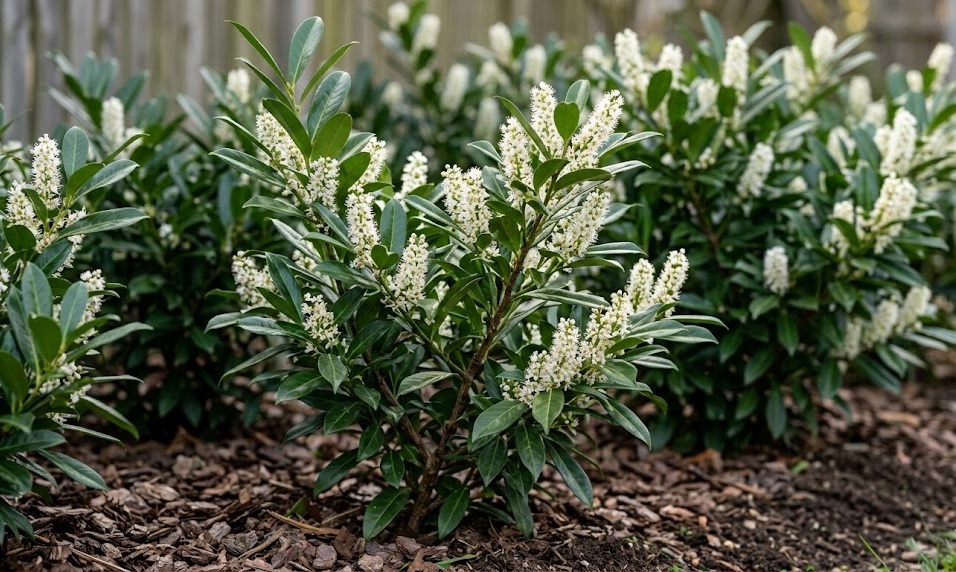

The professional pruning of cherry laurel is an essential practice that ensures the structural integrity and aesthetic beauty of the shrub or hedge. You must understand that this species is remarkably resilient and can tolerate heavy cutting, which makes it an ideal candidate for formal shaping and rejuvenation. Timing your pruning sessions correctly allows the plant to heal quickly and prevents the introduction of diseases through open wounds. A professional approach to cutting back ensures a dense, healthy canopy that provides the desired level of privacy and visual interest.
Before you begin any pruning task, you should ensure that your tools are sharp, clean, and appropriate for the size of the branches you will be cutting. You should use hand shears for smaller, more precise work on the outer foliage to avoid damaging the large, leathery leaves. For larger branches or rejuvenation projects, a professional-grade lopper or a pruning saw may be necessary to achieve a clean and smooth cut. Success in pruning begins with the right equipment and a clear plan for the eventual shape and size of the plant.
Regular maintenance pruning should focus on removing dead, damaged, or diseased wood to maintain the overall health of the cherry laurel. You should also look for branches that are crossing or rubbing against each other, as these can create entry points for pathogens. Thinning out the center of the shrub improves air circulation and allows light to reach the inner parts of the canopy, which prevents the plant from becoming hollow. Expert horticulturists prioritize the biological health of the plant while achieving the desired aesthetic outcome for the landscape.
When shaping a formal hedge, you should aim to maintain a slightly tapered profile where the base is wider than the top section. This professional technique ensures that sunlight can reach the lower branches, preventing the common problem of thinning near the ground. You should use a string line or a guide to maintain perfectly straight edges and a uniform appearance across the entire length of the hedge. A well-pruned cherry laurel hedge is a testament to the skill and discipline of a professional gardener who understands the principles of form and function.
Timing and seasonal considerations
The best time for the primary pruning of cherry laurel is during the late spring or early summer after the first flush of growth has matured. You should avoid pruning in early spring before the buds have opened, as this can remove the energy reserves the plant needs for new growth. Pruning later in the season also allows the new shoots to harden off before the arrival of the first winter frosts. Professionalism in timing ensures that the plant remains vigorous and has the best possible defense against environmental stressors.
More articles on this topic
A second, lighter trim can be performed in the late summer or early autumn to tidy up any stray growth and maintain the shape of the hedge. However, you must be careful not to prune too late in the year, as this can stimulate new growth that is highly susceptible to cold damage. If the plant produces soft, green shoots just before winter, they are likely to turn brown and die back during the first severe freeze. Expert gardeners follow the natural rhythm of the plant to minimize the risk of injury and maximize the beauty of the foliage.
For those who wish to maintain a more natural or informal look, pruning can be limited to occasional thinning and the removal of spent flower spikes. You should cut back the flowering stems to just above a healthy leaf node to encourage the plant to direct its energy back into foliage production. This approach preserves the natural character of the cherry laurel while still keeping it within the desired size limits for the garden. Professionalism in pruning involves adapting your technique to the specific style and requirements of the landscape design.
You should also consider the impact of local weather conditions on your pruning schedule, avoiding periods of extreme heat or drought. Pruning during these times can place additional stress on the plant and increase the risk of leaf scorch on the newly exposed inner foliage. If a major pruning task is necessary during a dry spell, you should ensure the plant is well-watered before and after the work is completed. Expert care is a dynamic process that responds to the environment to ensure the best possible outcome for the living organisms in the landscape.
Rejuvenation and heavy cutting back
If a cherry laurel has become overgrown, leggy, or has lost its lower foliage, rejuvenation pruning can be used to restore its vigor and form. You should be prepared to cut the plant back significantly, sometimes to within thirty to sixty centimeters of the ground, depending on the severity of the problem. This radical approach is best performed in the late winter or very early spring while the plant is still in a dormant state. Professionalism in rejuvenation requires a bold approach combined with a clear understanding of the plant’s ability to recover from heavy cutting.
More articles on this topic
After a major cutting back, the laurel will typically respond with a flush of strong, new growth from the dormant buds on the old wood. You should monitor this new growth carefully and perform selective thinning to ensure that the strongest and best-positioned shoots are allowed to develop. Providing adequate water and a balanced fertilizer will help the plant recover from the shock of heavy pruning and build a new, dense canopy. Expert horticulturists often use this technique to breathe new life into old, neglected hedges and specimens in the landscape.
You must be patient during the recovery process, as it may take several seasons for the plant to return to its full size and desired density. During the first year after rejuvenation, your primary focus should be on establishing a strong structural framework for the future shrub. Avoid the temptation to perform any significant shaping until the new branches have gained enough strength and maturity to support themselves. Professional gardening involves a long-term commitment to the health and beauty of the plants, even when they are in a transitional state.
Finally, documenting your pruning activities and the response of the plants can help you refine your techniques for future projects. You might find that certain varieties or individual specimens respond better to specific types of cutting or timing. Sharing your experiences with other professionals can help to improve the collective knowledge of evergreen care and maintenance. A professional gardener is always learning and refining their skills to achieve the best possible results for the natural world and the people who enjoy it.