
The importance of regular pruning
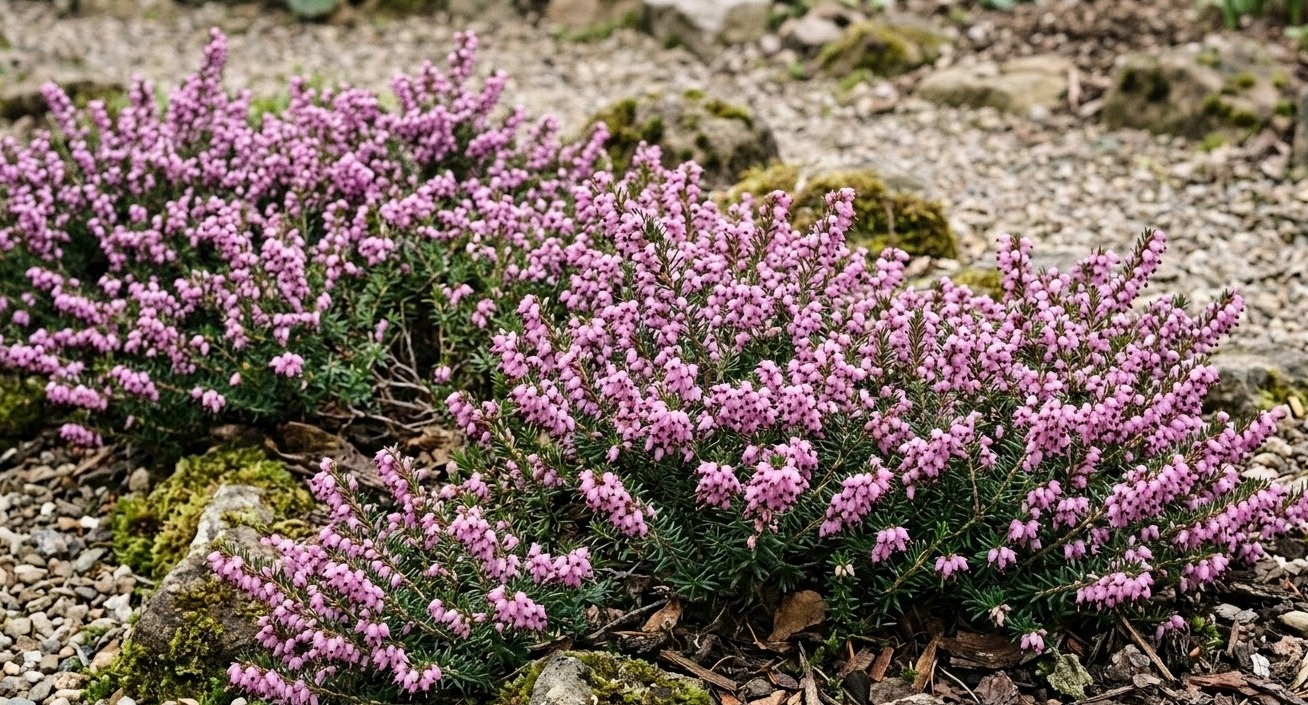
Regular pruning is an essential maintenance task that ensures your alpine heath remains compact, healthy, and full of flowers. Without occasional cutting back, these shrubs can become leggy and develop unsightly woody centers over time. You will find that a well-pruned plant has a much more attractive, mounded shape that fits perfectly into a tidy garden design. This chapter will guide you through the professional techniques for maintaining the vigor and beauty of your heath collection through strategic pruning.
The primary goal of pruning this species is to encourage the development of new, productive growth for the following season. Since the flowers are produced on the previous year’s wood, your timing is critical to avoid cutting off the potential for a good bloom. You should aim to remove the old flower spikes as soon as they have finished their display in the spring. This encourages the plant to put its energy into creating new shoots rather than producing seeds.
Pruning also plays a role in maintaining the health of the plant by improving air circulation within the dense foliage mat. By thinning out some of the older, less productive stems, you allow more light and air to reach the center of the shrub. This helps to keep the inner parts of the plant from becoming bare and reduces the risk of fungal diseases. A healthy, open structure is the foundation of a long-lived and resilient garden specimen.
Finally, regular pruning allows you to control the size and spread of the plant, preventing it from overwhelming its neighbors. While the alpine heath is not an aggressive grower, it will slowly expand its footprint every year if left to its own devices. You can easily maintain a specific border or path edge by trimming the edges of the plant back to the desired dimensions. A little bit of attention every year is much easier than trying to reclaim an overgrown plant later on.
Timing and techniques for best results
The best time to prune your alpine heath is in the late spring, immediately after the flowering period has come to an end. This gives the plant the maximum amount of time to grow new stems and develop flower buds for the next winter season. If you wait too long into the summer to prune, you run the risk of removing the buds that have already started to form. Consistent timing every year will lead to the most reliable and impressive floral displays.
More articles on this topic
When pruning, you should use sharp, clean shears to ensure clean cuts that heal quickly and minimize the risk of infection. You can either use hand pruners for individual stems or hedge shears for a more uniform, carpet-like effect on larger plantings. Avoid cutting back into the old, brown wood that has no leaves, as the plant may not be able to sprout new growth from these areas. Always leave a good amount of green foliage on each stem to provide the energy needed for recovery.
A light shearing over the entire surface of the plant is often the most effective way to maintain its characteristic mounded shape. You should remove about half of the previous year’s growth, including all of the spent flower spikes. This method results in a very tidy appearance and promotes a flush of new, vibrant green shoots from all over the shrub. You will be amazed at how quickly the plant responds to this treatment and begins to fill back in.
If you have a plant that has already become somewhat leggy or overgrown, you can try a more selective approach to rejuvenation. Instead of a general shearing, you can remove some of the oldest and longest stems right back to their point of origin within the plant. This allows more light to reach the younger shoots and encourages a more balanced growth habit over time. This targeted pruning is a bit more time-consuming but can save an older plant that might otherwise need to be replaced.
Long-term maintenance and rejuvenation
As your alpine heath matures, you may find that it needs a bit more than just a light yearly trim to stay in peak condition. Every few years, you might consider a slightly more thorough pruning to remove any dead or damaged wood that has accumulated. This keeps the plant looking fresh and prevents any pests or diseases from gaining a foothold in the older parts of the shrub. A proactive approach to long-term maintenance will ensure that your plants remain a highlight of the garden for decades.
More articles on this topic
If a plant has become very woody and bare in the center, it may be a candidate for a more drastic rejuvenation pruning. While you should still avoid cutting back into entirely bare wood, you can cut the stems back quite significantly to just above the lowest green leaves. This will stimulate a surge of new growth from the base and help to fill in the empty spaces within the shrub. You should provide a bit of extra water and a light fertilizer after this kind of heavy pruning to support the recovery process.
Maintaining a regular pruning schedule from the very beginning is the best way to avoid the need for drastic measures later on. A small amount of attention every spring is all it takes to keep these resilient plants looking their absolute best. You will find that the pruning process is actually quite therapeutic and provides a great opportunity to inspect the health of your plants. Your dedication to proper maintenance will be rewarded with a vibrant and beautiful garden scene every winter.
In summary, pruning is a simple but vital part of expert care for the alpine heath that brings many long-term benefits. From encouraging better blooms to maintaining a compact and healthy shape, the results of your work will be visible for all to see. By following the timing and techniques outlined in this guide, you can ensure that your heath collection remains a source of pride and beauty. Happy pruning, and enjoy the wonderful colors that these plants bring to your outdoor space!