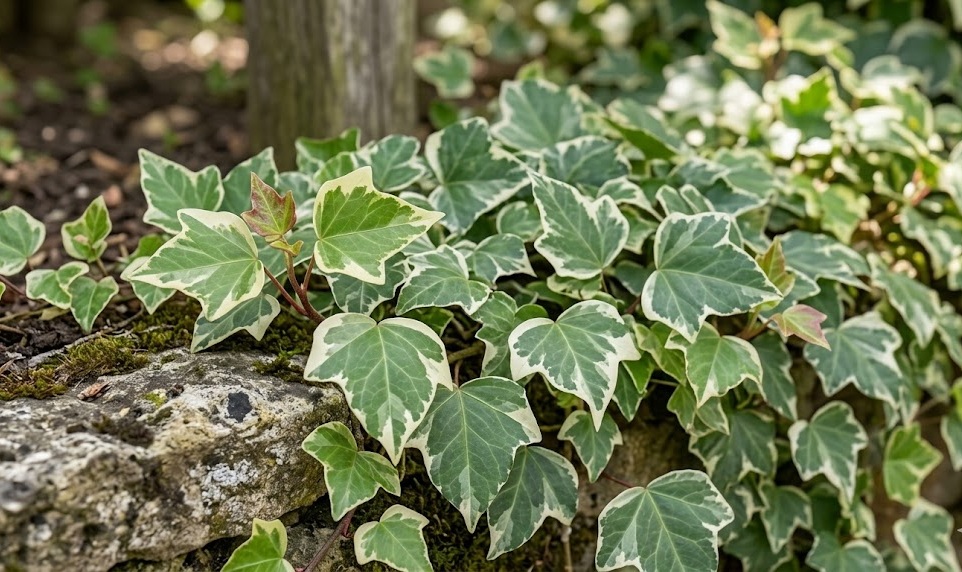

Pruning is a vital maintenance task that ensures your Algerian ivy remains a manageable and aesthetically pleasing part of your landscape. Because this species is such a vigorous grower, it can quickly become overgrown or tangled if left to its own devices. Regular trimming not only keeps the plant within its designated boundaries but also encourages healthier, denser growth and prevents the accumulation of old, woody material. With the right tools and techniques, you can easily shape your ivy to fit any garden design.
Timing and tools for pruning
The best time for major pruning is in the early spring, just before the plant begins its primary annual growth spurt. Trimming at this time allows the ivy to recover quickly and cover any cut stems with fresh, new foliage within a few weeks. You can also perform light maintenance pruning throughout the summer to remove any stray vines or damaged leaves. Avoid heavy pruning in the late autumn, as this can stimulate new growth that won’t have time to harden before winter.
Choosing the right tools will make the job much easier and ensure clean cuts that heal quickly. For most tasks, a sharp pair of bypass hand pruners is the best choice for cutting through the flexible stems. If you are dealing with an older, more established plant that has developed thick, woody vines, you may need a pair of loppers or a small pruning saw. Always make sure your tools are clean and sharp to prevent crushing the stems or spreading diseases between plants.
Safety is an important consideration when pruning ivy, especially if it is growing high up on a wall or a large tree. Always use a stable ladder and have someone nearby if you are working at significant heights. Ivy sap can be irritating to the skin for some people, so wearing gloves and long sleeves is a wise precaution. If the plant is very dusty or you are working in a confined space, wearing a mask and eye protection can also be beneficial.
Before you start cutting, take a moment to step back and look at the overall shape and health of the plant. Identify the areas that are most in need of attention, such as dead branches, overcrowded sections, or vines that have escaped their boundaries. Having a clear plan in mind will help you avoid over-pruning and ensure that the final result looks balanced and natural. Proper preparation is the key to a successful and stress-free pruning session.
More articles on this topic
Techniques for shaping and control
When you begin pruning, start by removing any dead, diseased, or damaged material first to clear the way. Make your cuts just above a leaf node or a side branch to encourage the plant to grow in a specific direction. This technique, known as “heading back,” stimulates the dormant buds below the cut to sprout, leading to a bushier and more compact form. Avoid leaving long, leafless “stubs” which are unsightly and can become entry points for pests.
To control the spread of the ivy, you should regularly trim back the leading ends of the vines that are heading into unwanted areas. This is particularly important for groundcover ivy that might be encroaching on walkways, flower beds, or neighboring properties. You can also thin out the center of a dense plant by removing some of the older, interior stems. This improves air circulation and allows more light to reach the inner parts of the vine, keeping the whole plant healthy.
If your ivy is climbing a wall or a fence, you can use pruning to create a more organized and artistic appearance. You can train the main stems into a specific pattern, such as a fan or a diamond shape, by selectively removing competing branches. Regularly pinning the remaining stems to the support structure will help maintain the desired look as the plant grows. This type of formal training requires consistent attention but can produce a truly stunning architectural effect.
For those using ivy as a groundcover, a more aggressive approach to pruning is sometimes necessary to keep it looking neat. You can use a pair of hedge shears to “mow” the top of the ivy bed once a year in early spring. This removes the older, tattered leaves and encourages a fresh, uniform carpet of new growth to emerge. Just be careful not to cut too deep into the main woody stems, as this can cause the patch to look thin for a while.
More articles on this topic
Rejuvenation and long term management
Older Algerian ivy plants can sometimes become leggy and sparse at the base while all the lush growth is concentrated at the ends of the long vines. To fix this, you can perform a rejuvenation prune by cutting back about a third of the oldest stems to the ground each year. Over three years, you will have completely replaced the old wood with fresh, vigorous new growth without losing the plant’s overall presence. This gradual process is much less stressful for the plant than a single, massive cut-back.
If a plant has become completely unmanageable or is suffering from a major pest infestation, you may need to perform a “hard prune.” This involves cutting the entire plant back to within a few inches of the ground or the main trunk. While it looks drastic, a healthy Algerian ivy will usually bounce back with incredible speed once the growing season begins. Make sure to provide extra water and a light feeding after such a heavy pruning to support the recovery.
Proper disposal of the pruned material is a final step that should not be ignored by the responsible gardener. Ivy vines can be surprisingly resilient and may even take root in your compost pile if they are not chopped up properly. It is usually best to bag the clippings and dispose of them with your green waste or take them to a local recycling center. This prevents the unintentional spread of the plant to areas where it might become invasive.
After any pruning session, it is a good idea to give the plant a thorough watering to help it recover from the stress. Keep an eye on the new growth over the following weeks and make any small corrective cuts as needed. By making pruning a regular part of your gardening routine, you can enjoy the beauty of Algerian ivy without it ever becoming a burden. Consistent care and a gentle touch will keep your vines looking their absolute best for many years to come.