
While traditional pruning is not a common practice in large-scale lentil farming, mechanical management of the plant’s biomass is a critical tool for the professional grower. Controlling the vegetative structure of the crop through thinning, residue management, and timed desiccation ensures a more efficient harvest and higher seed quality. By understanding when and how to intervene in the physical development of the plant, you can improve the overall health and productivity of your pulse plantation. These technical maneuvers are essential for maintaining the professional standards required in modern agricultural pulse production.
Managing vegetative bulk and airflow
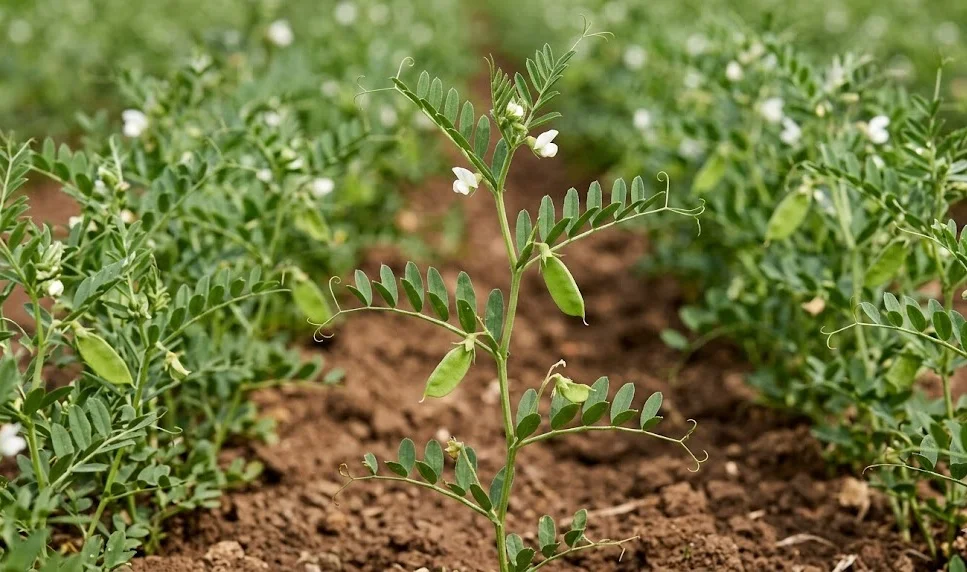
In highly fertile soils with abundant moisture, lentils can sometimes produce an excessive amount of vine-like growth that becomes difficult to manage. This heavy vegetative mass can trap moisture near the ground, creating a microclimate that is perfect for the development of fungal diseases. If you notice that the canopy is becoming too dense and thick early in the season, you may need to adjust your management strategy to improve air circulation. While you don’t prune individual stems, cultural practices like row spacing and seeding rate serve a similar purpose in controlling the stand’s physical structure.
Adjusting the nutrient balance, particularly nitrogen, is the most effective way to “prune” the potential vegetative growth before it even happens. Too much nitrogen encourages the plant to put all its energy into leaves and stems, often at the expense of flower and pod production. Professional growers use soil tests and precision fertilizer applications to ensure the plants have just enough nutrition to be healthy but not so much that they become overgrown. This chemical management of the plant’s architecture is a cornerstone of professional pulse agronomy.
In some specialized small-scale or organic systems, mechanical thinning may be used to reduce the plant population and allow for more light penetration. By removing some of the weaker plants, you allow the remaining ones to develop stronger stems and more robust lateral branches. This creates a more open and resilient canopy that is less prone to lodging during summer storms and easier to inspect for pests. Taking the time for this type of manual intervention can significantly increase the quality and size of the harvested seeds in premium markets.
Airflow is perhaps the most important benefit of a well-managed and “pruned” lentil canopy in any professional agricultural setting. Good ventilation helps to dry out the foliage after a rain or heavy dew, which drastically reduces the window of opportunity for pathogens to infect the tissues. It also ensures that the carbon dioxide needed for photosynthesis is consistently replenished throughout the dense rows. Managing the physical volume of the crop is a proactive way to ensure the long-term health and stability of the entire plantation.
More articles on this topic
Desiccation as a management tool
Desiccation is the professional term for the process of chemically “cutting back” the green growth of the lentil plant to prepare it for harvest. This is necessary because lentils often continue to grow and flower at the top of the plant even after the bottom pods have fully ripened. By applying a registered desiccant, you stop all vegetative growth and cause the entire plant to dry out uniformly and quickly. This allows for a much more efficient mechanical harvest and prevents the green material from staining or damaging the dry seeds.
The timing of this desiccation treatment is the most critical decision a grower will make in the final weeks of the season. If you apply the treatment too early, the immature seeds will shrivel and lose their weight and nutritional value. If you wait too long, you risk losing the crop to shattering or late-season weather events that can degrade the quality of the standing grain. Professional growers carefully inspect pods from several different levels of the plant to ensure that at least eighty percent of them have reached full physiological maturity.
Environmental conditions at the time of application will determine how quickly and effectively the desiccant works on the crop. Bright, sunny weather with moderate humidity is ideal for most modern desiccants, as it encourages rapid absorption and action within the plant tissues. You must also consider the “pre-harvest interval,” which is the required time between the application and the actual start of the harvest. Following these regulations is essential for ensuring that the final product is safe for human consumption and meets all legal standards.
Using a desiccant also helps to kill any late-season weeds that might still be growing in the field, making the harvest process much smoother. These dry weeds won’t clog the machinery or add unwanted moisture to the harvested lentils in the storage bin. This final “pruning” of the entire field environment ensures that only the clean, dry pulse seeds are collected by the combine. Expert management of the desiccation process is a hallmark of a professional who is focused on delivering a high-quality agricultural product.
More articles on this topic
Post-harvest residue and field cleanup
Once the seeds have been removed from the field, the remaining stems and leaves, known as residue, must be managed effectively. This material contains valuable nutrients and organic matter that can benefit the soil, but it can also harbor diseases and pests if not handled correctly. In many professional operations, the residue is chopped and spread evenly across the surface of the field by the harvesting equipment. This “cutting back” of the post-harvest material helps it decompose more quickly and prepares the soil for the next season’s crop.
Maintaining a clean field surface is important for reducing the carryover of soil-borne pathogens like ascochyta or anthracnose. If the residue is too thick, it can insulate the ground and slow down the breakdown of these harmful fungi during the winter months. Some growers choose to lightly incorporate the residue into the top few centimeters of the soil to speed up the biological recycling process. An expert always considers how the management of this year’s “prunings” will affect the health of future crops in the same field.
Grazing livestock on the lentil residue is another traditional and effective way to manage the leftover biomass in a professional agricultural system. Sheep or cattle can quickly “prune” the field, converting the tough stems and leaves into valuable fertilizer while also reducing the weed seed bank. This integrated approach to residue management can improve the overall sustainability and profitability of the farming enterprise. However, care must be taken to avoid soil compaction if the animals are on the field during wet weather.
Finally, the physical removal of some residue may be necessary if you are planning to use a specific type of planting equipment in the following spring. Too much “trash” on the surface can interfere with the operation of a seed drill, leading to uneven planting and poor seed-to-soil contact. By managing the volume and distribution of the lentil straw now, you are setting the stage for a successful start to the next agricultural cycle. Professionalism in field cleanup is just as important as the care given to the growing crop itself.