
Pruning is one of the most effective professional techniques you can use to maintain the health and productivity of your chive patch throughout the season. Far from being a chore, regular cutting is actually a form of rejuvenation that encourages the plant to produce a continuous supply of tender, flavorful leaves. Understanding the proper way to trim your herbs prevents them from becoming woody or unkempt. By mastering the art of the cut, you ensure that your garden remains both a functional culinary resource and a beautiful landscape feature.
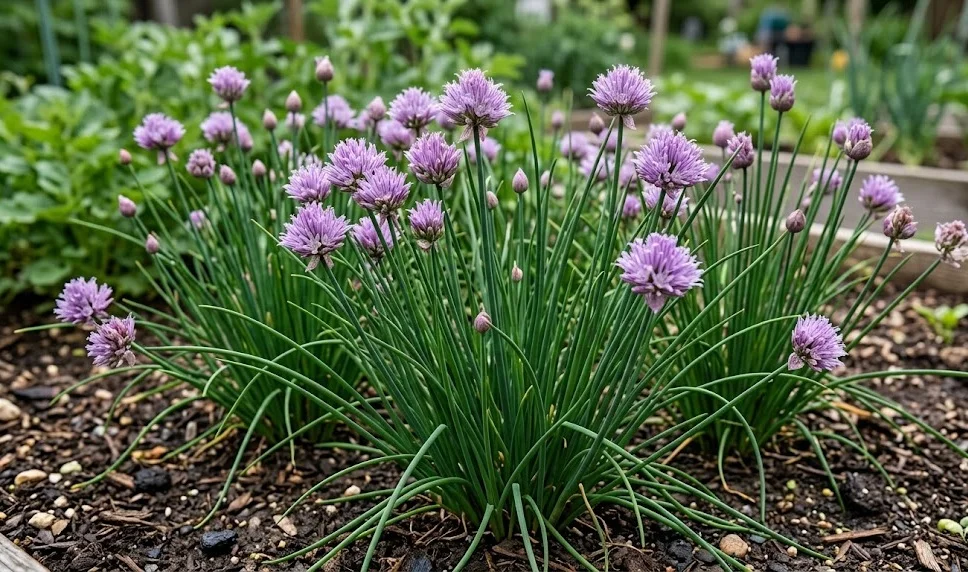
The growth habit of chives is such that the oldest leaves are on the outside of the clump, while the newest, most tender shoots emerge from the center. If left unpruned, the outer leaves will eventually become tough, yellow, and lose their culinary appeal, while also shading out the new growth. Regular harvesting or maintenance pruning solves this problem by removing the older tissue and opening up the plant to light and air. This simple cycle of removal and regrowth is the secret to a professional-quality herb garden.
There are several different types of pruning, ranging from the light snips you take for a single meal to the heavy “rejuvenation cuts” used to reset the entire plant. Each method has its own specific purpose and timing within the gardening year. Knowing when to be gentle and when to be aggressive with your shears is a skill that comes with experience and an understanding of the plant’s biology. Regardless of the scale of the task, always using sharp and clean tools is the most important professional rule to follow.
Pruning also plays a vital role in managing the plant’s reproductive cycle, particularly when it comes to the purple flowers that appear in late spring. While these blooms are a delight to see, they signal a shift in the plant’s focus from leaf production to seed development. If you want to keep your herbs in a productive “vegetative” state, you must manage these flowering stalks with precision. Let’s dive into the details of how to prune your chives for maximum yield and long-term vitality.
Regular maintenance and harvesting
The most common form of pruning is the regular harvesting you do for your kitchen, which acts as a constant “trimming” for the plant. You should always use sharp scissors to cut the stalks about one to two inches above the soil line, rather than just pulling them off by hand. This clean cut heals much faster and prevents the tearing of delicate tissues that can invite disease or pests. By leaving a short stub of the stalk, you ensure that the growing point remains protected for future development.
More articles on this topic
For the best professional results, you should aim to harvest from several different parts of the clump rather than clearing one whole side. This “selective pruning” keeps the plant looking full and prevents it from becoming lopsided or exposed to the sun too suddenly. Try to take only what you need for your immediate cooking, as the stalks are always best when they are fresh and full of moisture. Regular, small-scale harvests are the best way to keep your chives in a constant state of productive growth.
If you find that your plants are growing faster than you can use them, you should still perform “maintenance cuts” to keep the foliage fresh. If the leaves are allowed to grow too long, they will eventually flop over and begin to yellow at the tips, which can lead to rot within the dense clump. Trimming the entire plant back by about a third every few weeks will prevent this and ensure that every stalk in your patch is of the highest quality. Consider this a regular “haircut” for your herbs to keep them looking and performing their best.
Always be sure to remove any damaged or diseased leaves as soon as you spot them during your regular pruning sessions. This “sanitary pruning” is a professional habit that prevents small issues from becoming major infestations that could threaten the entire herb bed. Dispose of these trimmings away from your compost pile if you suspect any fungal or insect issues. By keeping your plants clean and well-trimmed, you significantly reduce the amount of maintenance required in the long run.
Rejuvenation pruning and seasonal resets
About once or twice during the peak growing season, your chives may benefit from a more aggressive rejuvenation prune to reset their growth. This is particularly useful in mid-summer if the plants have become a bit tough or “tired-looking” after the spring flowering period. Using your shears, cut the entire clump back to about three inches above the ground, effectively removing all of the old foliage. While it might look a bit drastic at first, the plant will respond with a fresh flush of tender, bright green growth within just a week or two.
More articles on this topic
This heavy pruning technique is a professional secret for extending the harvest season well into the autumn months. By removing the old, weary leaves, you force the plant to use its stored energy to create a whole new set of high-quality stalks. This is the best way to deal with a patch that has become overgrown, messy, or slightly affected by surface-level pests like aphids. Providing a generous watering and a light feeding after a rejuvenation cut will help the plant recover even faster.
At the very end of the growing season, a final “winter prune” is necessary to prepare the plants for their dormant period. Once the first hard frosts have turned the leaves brown and limp, you can cut the entire plant down to the soil level. This removes the dead organic matter that could otherwise trap moisture and harbor disease over the winter. This clean slate makes it much easier to apply mulch and ensures a tidy appearance for your garden during the cold months.
Spring cleanup is the final piece of the pruning puzzle, where you remove any remaining debris and prepare the ground for the new shoots. If you didn’t prune back in the fall, now is the time to clear away all the old, dried stalks from the previous year. Be careful not to damage the tiny green tips that are likely already starting to emerge from the center of the clump. Professional pruning is a continuous cycle that supports the plant’s natural rhythm and ensures its long-term success.
Flower management and seeding
The round, purple flowers of the chive plant are one of the highlights of the spring herb garden, but they require careful management from a professional perspective. Each flowering stalk is stiffer and tougher than the regular leaves, and once it has bloomed, it will not produce any more tender foliage. To maintain the best quality for your kitchen, you should prune out these flowering stems at their base as soon as they appear. This directs the plant’s energy away from reproduction and back into the production of delicious leaves.
If you enjoy the aesthetic or culinary value of the flowers, you can certainly allow some of them to bloom and even use them in salads or as garnishes. However, you should still be diligent about pruning them off once the petals begin to fade and the seeds start to form. Allowing the plant to “go to seed” is a very energy-intensive process that can significantly slow down the growth of new leaves for several weeks. Deadheading—the professional term for removing spent flowers—is a key practice for any productive herb grower.
Another important reason for pruning the flowers is to prevent the chives from self-seeding all over your garden beds. While a few extra plants might be welcome, these herbs can be surprisingly prolific, and you may find tiny seedlings popping up in places where you don’t want them. By cutting off the flower heads before the seeds mature and drop, you maintain total control over the layout and density of your garden. Professional management is about keeping your plants exactly where you intended them to be.
Finally, remember that the stalks that supported the flowers are often too tough to be used in the same way as the regular leaves. When you are pruning them out, keep them separate from your culinary harvest so you don’t end up with woody bits in your cooking. You can always add these tougher stems to your compost pile, where they will break down and eventually provide nutrients for future generations of plants. By understanding the different parts of the plant, you can prune with a professional level of precision and purpose.