
Effective pruning is a vital skill for managing the growth and health of these exceptionally vigorous climbers in any professional garden. You must understand that without regular intervention, these vines can quickly become a tangled, unmanageable mess that overwhelms nearby plants. A disciplined approach to cutting back not only maintains the aesthetic balance of your landscape but also promotes better flowering and air circulation. This article details the expert techniques for pruning and rejuvenating your vines throughout the year.
The primary goal of pruning for this species is to control its expansion while encouraging the development of lateral branches. You will find that when you pinch off the growing tips, the plant responds by pushing out new shoots from the nodes below the cut. This results in a much denser and more attractive display of foliage and flowers compared to a vine that is left to grow in a single long strand. Mastering this simple technique is the first step toward professional-grade vine management.
Structural pruning involves removing dead, damaged, or diseased wood to protect the overall integrity of the plant. You should also look for “rogue” stems that are growing in the wrong direction or trying to attach themselves to unintended structures. By removing these early, you prevent the vine from becoming a nuisance and keep it focused on the areas you have designated for it. This proactive management keeps your garden looking neat and professional at all times.
Timing is critical when it comes to heavy pruning, as you want to avoid cutting back the plant during its most productive phases. Most experts recommend doing the majority of the structural work in the late winter or early spring before the new growth begins. This allows you to see the framework of the plant clearly and ensures that your cuts will heal quickly as the plant wakes up. A well-timed pruning session sets the stage for a spectacular and controlled growing season.
Essential tools for pruning
Using the right tools is essential for making clean, professional cuts that heal quickly and do not introduce disease to the plant. You should invest in a high-quality pair of bypass pruners for most of the work on your climbers. These tools act like scissors, providing a sharp, precise cut that does not crush the delicate stem tissue. Keeping your tools sharp and well-oiled is a hallmark of a professional gardener who respects their plants.
More articles on this topic
For thicker, older stems that have become woody over time, you may need a pair of loppers or a small folding saw. These tools provide the extra leverage needed to cut through tough material without straining your hands or the plant’s structure. You should always choose the smallest tool that can comfortably do the job to maintain the greatest amount of control. Precision is key when you are working in the dense center of a large vine.
Sanitation is perhaps the most overlooked aspect of tool maintenance in a professional gardening context. You should clean your blades with rubbing alcohol or a dilute bleach solution between different plants to prevent the spread of pathogens. This is especially important if you are pruning away diseased material, as the fungus or bacteria can easily hitch a ride on your tools. A clean cut is a safe cut, and a professional approach prioritizes the health of the entire garden.
Finally, consider using specialized garden ties or soft twine to help redirect and support the stems after you have pruned them. These materials allow you to “train” the new growth in the direction you want it to go, creating a more harmonious look. Avoid using thin wires that can cut into the stems as they grow and expand over the season. Proper support is the final step in a successful pruning routine for any vigorous climber.
Timing your pruning activities
Light pruning and pinching can be done almost any time during the active growing season to maintain the shape of the vine. You should make it a habit to carry your pruners with you whenever you walk through your garden to catch small issues before they become big ones. Removing a few inches of growth here and there will not stress a healthy plant and will keep it looking its best. This “little and often” approach is very effective for managing fast-growing species.
More articles on this topic
Heavy rejuvenation pruning should be reserved for the dormant period in the late winter or very early spring. This is the best time to cut back old, unproductive stems and clear out the “dead wood” from the center of the plant. Because the plant is dormant, it will not bleed sap excessively, and the risk of infection is much lower. You will be amazed at how quickly the vine recovers and produces fresh, vigorous growth once the weather warms up.
Avoid doing any major cutting back in the late summer or autumn, as this can stimulate a flush of new growth that won’t have time to harden before winter. This soft growth is extremely vulnerable to frost damage and can weaken the plant’s overall winter resilience. Instead, focus on removing only what is necessary to keep the plant within its boundaries during this time. Understanding the seasonal rhythms of the plant is key to professional pruning.
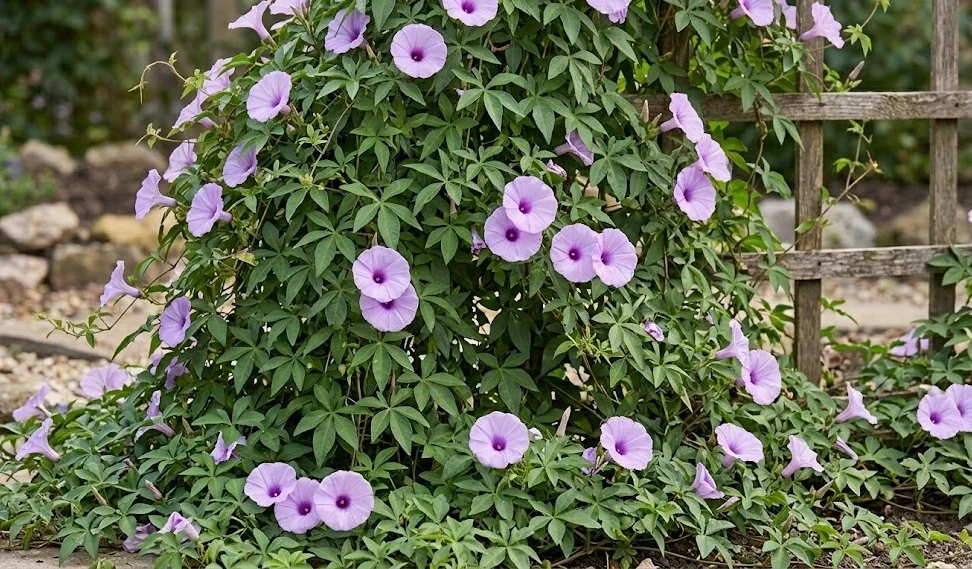
If your plant is primarily grown for its flowers, you must also consider the timing of the bloom cycle in your pruning plan. Some varieties bloom on “old wood,” while others bloom on the current season’s growth. For this species, flowers generally appear on the new shoots, so early spring pruning will not reduce your floral display. In fact, by encouraging more lateral branches, you are actually increasing the potential for a massive amount of blossoms.
Techniques for rejuvenation
When an old vine has become thin and woody at the base but remains a tangled mess at the top, it may be time for rejuvenation. This professional technique involves cutting the entire plant back significantly, sometimes to within a few feet of the ground. While it may look drastic, a healthy and established root system will quickly push out new, vibrant stems to replace the old ones. This process can “reset” a tired plant and give it a new lease on life in your garden.
You should perform rejuvenation pruning in stages over two or three years if you are concerned about shocking a particularly large or old specimen. Start by removing about one-third of the oldest stems at ground level each year. This allows the plant to maintain some foliage while it slowly replaces its structure with fresh, productive growth. This gradual approach is often safer for the plant and less disruptive to the overall look of your landscape.
After a heavy pruning session, you must provide extra care to support the plant’s recovery and new growth. This includes thorough watering and a balanced feeding to ensure the roots have the resources they need to rebuild the canopy. You should also be extra vigilant about pests, as the tender new shoots can be very attractive to insects like aphids. Supporting the plant through its recovery phase is just as important as the act of pruning itself.
Finally, take the time to step back and look at the overall shape of the plant as you work on its rejuvenation. You have a unique opportunity to reshape the vine and correct any structural issues that have developed over the years. Aim for a balanced, open structure that allows light and air to reach all parts of the plant. A well-rejuvenated vine will be stronger, healthier, and more beautiful than it has been in years, showcasing your professional expertise.