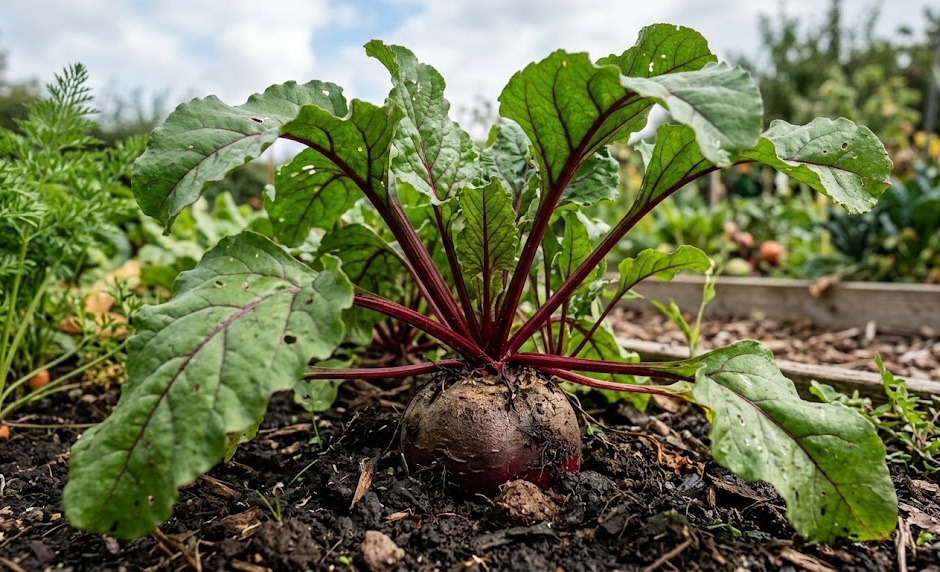

While pruning is a practice more commonly associated with fruit trees or ornamental shrubs, it can play a strategic role in the management of your beetroot crop. You should think of pruning in this context as the selective removal of foliage to improve plant health, manage space, or prepare for harvest. This technique is particularly useful for maintaining air circulation and directing the plant’s energy toward the development of the underground root. Understanding when and how to intervene with your garden shears is a refined skill for any professional grower.
Leaf removal can be practiced throughout the growing season to eliminate old, yellowing, or diseased foliage from the base of the plant. You should focus on the outer leaves that are touching the soil, as these are the most likely to harbor fungal pathogens like leaf spot. By removing these “at-risk” leaves, you create a cleaner environment and reduce the pressure of common garden diseases. This proactive maintenance helps keep the remaining canopy healthy and efficient in its task of producing sugars.
Thinning the foliage is another form of pruning that can be beneficial if the plants have become overly lush due to high nitrogen levels. You can selectively remove a few leaves from the center of the plant to allow more sunlight to reach the crown and the surrounding soil. This increased light exposure can help the shoulders of the root develop a better color and may even contribute to a firmer texture. However, you must be careful not to remove too much, as the plant still needs a substantial leaf area to fuel root growth.
The timing of any pruning activity should be carefully considered to avoid causing unnecessary stress to the plant during extreme weather. You should avoid cutting the leaves during the hottest part of the day or when the foliage is wet from rain or dew. Pruning in the late afternoon on a dry day allows the small wounds to heal quickly and reduces the risk of infection. Professional gardeners always use sharp, clean tools to ensure that every cut is clean and minimizes the damage to the plant tissue.
Managing bolting and flower stalks
Bolting is the process where the beetroot plant prematurely shifts from vegetative growth to reproductive growth, sending up a tall flower stalk. You will often see this happen in response to environmental stress, such as a sudden cold snap followed by long, warm days. Once the plant begins to bolt, the energy is diverted away from the root, which can quickly become tough, woody, and less flavorful. Identifying the early signs of a rising flower stalk is the first step in managing this common challenge.
More articles on this topic
If you notice a flower stalk starting to emerge, you can attempt to delay the process by cutting the stalk off at its base. You should do this as soon as possible to try and keep the plant’s focus on the root for a little while longer. While this won’t stop the physiological shift completely, it can sometimes buy you enough time to get a usable harvest from the plant. However, you must be aware that the quality of the root will gradually decline once the bolting process has been triggered by the environment.
In some cases, you might choose to let a few plants bolt if you are interested in saving your own seeds for future seasons. If you take this route, you should allow the flower stalk to grow naturally and eventually produce the clusters of seeds that the plant is famous for. You will need to provide some support, such as a small stake, as the flower stalks can become quite tall and top-heavy as the seeds mature. Managing the reproductive cycle of the plant is an advanced skill that connects you to the full life cycle of the beetroot.
When a large portion of your crop begins to bolt simultaneously, it is usually a sign that the environmental conditions have changed significantly. You should take this as a cue to harvest the remaining roots immediately before they lose their culinary value. Professional growers often use these observations to adjust their planting dates for the following year to avoid the same issue. Understanding why the plant is reacting this way helps you become a more proactive and successful manager of your garden’s productivity.
Post-harvest foliage management
The way you handle the leaves after the harvest is the final act of “pruning” that determines the storage life of your beetroot. You should avoid cutting the leaves with a knife, as this can cause the root to “bleed” its juice and lose vital moisture through the wound. Instead, you should firmly grip the base of the leaf stalks and twist them off about two or three centimeters above the root. This traditional method creates a natural seal that helps preserve the integrity and freshness of the vegetable during storage.
More articles on this topic
Leaving a small amount of the leaf stalks attached is a professional secret that prevents the root from drying out too quickly. You should also be careful not to damage the taproot at the bottom of the beet, as this can also lead to moisture loss and premature rotting. The goal is to keep the root as “whole” as possible while removing the excess green material that would otherwise decay. These small details in handling make a significant difference in the quality of the food you serve or sell.
The removed beetroot leaves are highly nutritious and should never be wasted; they can be used in the kitchen just like spinach or Swiss chard. You should wash them thoroughly and use them in salads, sautés, or soups while they are still fresh and vibrant. If you have more leaves than you can use, they make an excellent addition to the compost pile, returning nitrogen and organic matter to your garden. Managing the entire plant in this way is a sustainable practice that maximizes the value of every crop you grow.
Cleaning up the garden bed after the pruning and harvest is complete is the final step in maintaining a professional-level operation. You should remove any small scraps of foliage or damaged roots that could serve as a breeding ground for pests or diseases over the winter. A clean bed is much easier to prepare for the next season and helps break the cycles of infection that can plague a neglected garden. Your commitment to these finishing touches reflects your dedication to the craft of horticulture and the health of your land.
Tools and techniques for precision
Using the right tools is essential for performing any pruning task with the precision and care that a professional garden requires. You should invest in a pair of high-quality bypass pruners or sharp garden scissors that are comfortable for your hands. Keeping the blades sharp ensures that you are cutting through the plant tissue rather than crushing it, which promotes faster healing. You should also clean your tools with a mild disinfectant between different parts of the garden to prevent the accidental spread of pathogens.
When removing a leaf, you should make the cut as close to the main stem as possible without damaging the central growing point. You should avoid pulling or tearing the leaves, as this can create large, jagged wounds that are slow to heal and invite disease. A clean, decisive cut is always the best approach for maintaining the long-term health of the beetroot plant. As you gain experience, you will develop a “feel” for the plant and be able to work quickly and efficiently throughout the rows.
Observing the plant’s response to your pruning interventions will help you refine your technique over time. You should look for signs of new growth and healthy leaf development in the weeks following a major thinning or cleaning session. If the plants seem to stall or show signs of stress, you may need to adjust the intensity or the timing of your pruning. Every garden is different, and your ability to adapt your methods to your specific environment is what makes you an expert gardener.
Ultimately, pruning and cutting back beetroot is about balance—balancing the needs of the foliage with the development of the root. You are the conductor of the plant’s energy, guiding it toward the outcome you desire through careful and informed interventions. By treating every plant with respect and precision, you ensure a harvest that is not only bountiful but also of the highest professional quality. Your attention to these small details is what truly sets your gardening practice apart.