
Pruning and cutting back the American pokeweed is an essential skill for managing its impressive size and ensuring it remains a tidy and attractive part of your garden. Because this plant grows so rapidly and can reach such massive proportions, a professional approach to pruning is necessary to prevent it from becoming a chaotic or overgrown mess. You must understand the timing and techniques for removing stems and leaves to support the plant’s health while maintaining the aesthetic balance of your landscape. With the right tools and knowledge, you can shape this wild giant into a sophisticated focal point for your botanical collection.
The primary goal of pruning during the early and middle parts of the growing season is to control the plant’s shape and encourage a bushier, more compact growth habit. If you allow the pokeweed to grow naturally, it will often produce a single, very tall central stalk that can become top-heavy and prone to falling over. By pinching back the tips of the young stems when they are about two or three feet tall, you can stimulate the growth of side branches and create a more rounded and stable form. This simple professional technique results in a plant that is much more manageable and visually appealing in a structured garden setting.
As the season progresses, you may find it necessary to remove some of the lower leaves or smaller side branches to improve airflow and visibility within the plant’s canopy. This type of maintenance pruning is vital for preventing the buildup of humidity, which can lead to fungal issues like powdery mildew on the inner leaves. You should always use sharp, clean pruning shears to make clean cuts at the base of the stem or at a healthy node to promote quick healing. Taking the time to thin out the dense foliage shows a professional level of care and attention to the plant’s long-term health and well-being.
When the flowers begin to fade and the berries start to form, you have another opportunity to use your pruning skills to influence the plant’s development and reproductive output. If you want to limit the number of seeds that fall into your garden, you can prune away some of the flower clusters before they have a chance to fully mature into berries. This selective pruning allows you to enjoy the beauty of the fruit without being overwhelmed by hundreds of new seedlings in the following spring. You are the one in control of the plant’s life cycle, using your professional judgment to achieve the best results for your specific garden goals.
Post bloom management and berry control
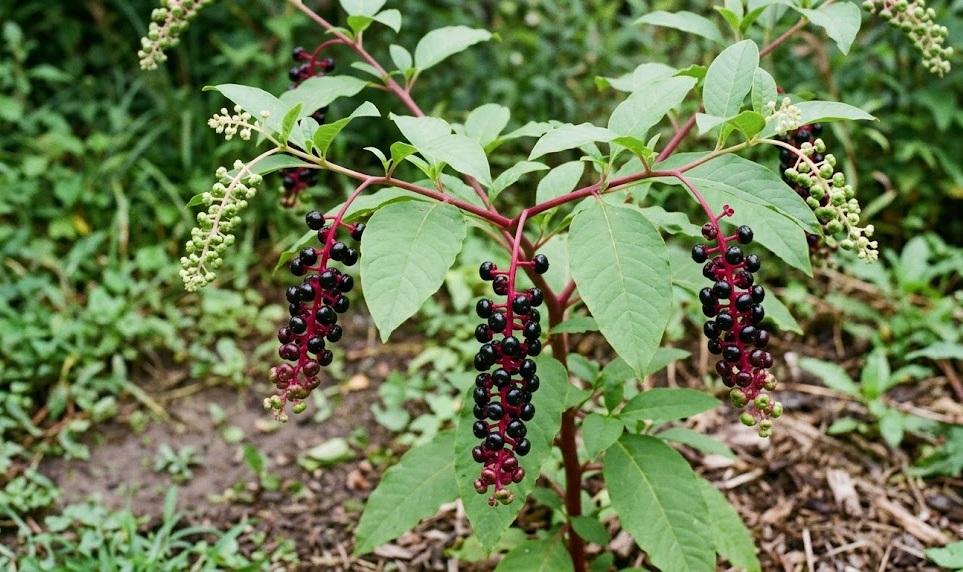
Once the striking berries of the American pokeweed have reached their full, dark purple maturity, they can add a lot of weight to the branches, causing them to lean or sag. In a professional garden setting, you may choose to prune back some of these heavy branches to maintain the plant’s upright structure and prevent it from drooping onto neighboring plants. This is also the time when many gardeners choose to harvest a few of the berry clusters for decorative arrangements or to save the seeds for future planting. Being proactive with your pruning during this phase keeps the garden looking intentional and well-managed even as the season begins to wind down.
More articles on this topic
If you are dealing with a particularly large or aggressive specimen, you can perform a more significant cutback in the late summer to reduce its overall biomass and footprint. Removing up to a third of the plant’s total volume at this stage will not harm a healthy pokeweed and can actually give it a renewed appearance as it enters the autumn. You should focus on removing the oldest or most damaged stems first, leaving the younger and more vibrant growth to carry the plant through the rest of the year. This professional rejuvenation keeps the plant looking its best and prevents it from becoming a source of clutter in the landscape.
When pruning the berry-laden stems, you must be extremely careful to avoid getting the juice on your skin or clothing, as it can be very difficult to remove and may cause irritation for some people. Wearing long sleeves and sturdy gloves is a mandatory safety precaution for any professional gardener working with this species during the late summer months. You should also be mindful of where the pruned material ends up, making sure to dispose of it in a way that does not inadvertently spread the seeds to other parts of your property. Proper disposal is just as important as the pruning itself when it comes to responsible garden management.
The aesthetic transition of the pokeweed in the autumn can be quite beautiful, but it often involves some yellowing or browning of the older leaves as the plant prepares for dormancy. You can use your shears to tidy up the plant by removing these tired-looking parts, keeping the focus on the attractive berries and the colorful stems. This light grooming throughout the autumn months ensures that the plant remains a positive feature of the garden until the very last moment of the growing season. Your dedication to these small details is what creates a truly professional and polished horticultural experience.
Dormancy preparation and final cutback
The most significant pruning task of the year for the American pokeweed occurs in the late autumn or early winter, after the first hard frost has killed off the above-ground growth. At this point, the stems will turn brown and brittle, and the plant will no longer be active or producing energy for its roots. This is the signal for you to perform a total cutback, removing all of the dead material right down to the ground level or just a few inches above the soil. This final act of the season is a crucial step in preparing the garden for the winter and setting the stage for the plant’s return in the spring.
More articles on this topic
Removing the massive amount of dead biomass produced by a mature pokeweed is a major task that requires a professional and organized approach. You might find it easiest to cut the large stalks into smaller sections as you go to make them more manageable for disposal or bagging. Be sure to remove any fallen berries or leaves from the soil surface to reduce the number of potential seedlings and hiding spots for garden pests. A clean and clear garden bed over the winter is a hallmark of a professional gardener who takes pride in the tidiness and health of their landscape.
While you are performing this final cutback, take a moment to inspect the crown of the plant and the surrounding soil for any signs of issues that might need attention. You can look for any evidence of root-boring insects or signs of disease that might have been hidden by the dense foliage during the summer months. This is also a great time to mark the location of the plant with a small stake so you don’t accidentally dig it up or plant over it while it is dormant. This level of professional foresight ensures that you are always one step ahead in your garden management routine.
Once the cutback is complete, you can apply a fresh layer of mulch over the area to protect the dormant root system from the upcoming winter cold. This layer of organic material will also help to suppress any early spring weeds and add nutrients to the soil as it breaks down over the next several months. You can now rest easy knowing that your pokeweed is safely tucked away for the winter and will be ready to grow again when the weather warms up. Your professional commitment to the full cycle of pruning and care is what makes your garden a success.
Tools and safety for professional pruning
To achieve the best results when pruning the American pokeweed, you must use the right tools and maintain them in professional condition. A pair of sharp, high-quality bypass pruners is essential for making the clean and precise cuts that the succulent stems of this plant require. For larger, woodier stems near the base of a mature plant, you may need a pair of loppers to get the job done safely and effectively. Keeping your tools clean and sharp not only makes the work easier but also protects the plant from unnecessary damage and the risk of infection.
Safety is a top priority when working with any plant that has toxic properties, and the pokeweed is no exception to this professional rule. You should always wear protective eyewear to prevent any sap or debris from getting into your eyes while you are cutting through the large branches. If you are working on a particularly tall specimen, be mindful of the weight of the branches as they fall to avoid being struck or scratched by the plant material. Working with a steady hand and a clear plan is the hallmark of a professional who respects the power and potential of the plants they care for.
After you have finished your pruning tasks for the day, it is essential to thoroughly clean and sanitize your tools to prevent the spread of any potential pathogens. You can use a solution of alcohol or a specialized garden tool cleaner to wipe down the blades and handles before putting them away. This simple habit of professional hygiene is one of the most effective ways to maintain a healthy garden over many years. You should also wash your hands and any exposed skin thoroughly after handling the pokeweed to ensure that no toxic sap remains.
By mastering the techniques of pruning and cutting back the American pokeweed, you are taking full responsibility for the health and appearance of your garden. You should feel a sense of professional accomplishment as you see the results of your work in the tidy and well-structured plants that grace your landscape. Your ability to balance the vigorous growth of such a powerful species with the needs of a managed garden is a true sign of horticultural expertise. Pruning is not just a chore; it is a creative act that allows you to shape the future of your botanical world.