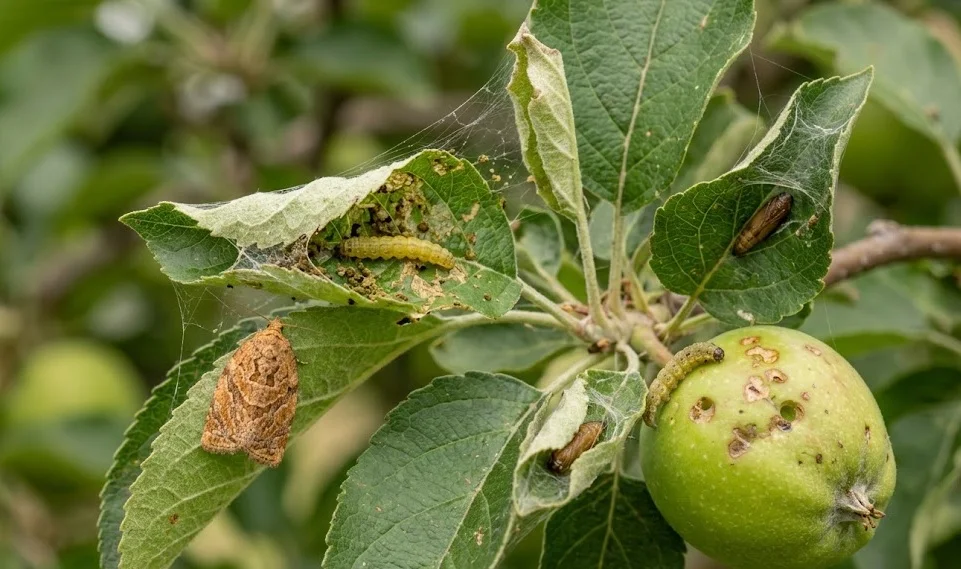

The summer fruit tortrix represents a significant threat to commercial orchards and private gardens alike. This resilient pest targets a wide variety of cultivated fruit trees, causing severe economic damage if left unchecked. Understanding the specific habits of this moth is the first crucial step toward effective population management. Growers must remain highly vigilant during the early growing season to detect initial signs of activity.
Managing this particular pest requires a comprehensive approach that integrates multiple agricultural disciplines. Experts have long studied the environmental factors that contribute to sudden outbreaks in temperate climate zones. A slight increase in average spring temperatures can accelerate the development of overwintering larvae significantly. Therefore, modern orchard management must rely on precise climate data and continuous field observations.
Historical data shows that relying on a single method of eradication rarely yields sustainable long-term results. Pests quickly adapt to repetitive agricultural practices, rendering traditional monolithic defense strategies obsolete within a few seasons. A dynamic approach ensures that the ecosystem remains balanced while keeping the specific threat under strict control. This methodology protects both the yield and the surrounding beneficial insect populations.
The economic impact of severe infestations cannot be understated by any serious agricultural professional. Damaged fruits are immediately downgraded in quality, making them completely unsuitable for the demanding fresh produce market. Even superficial surface scarring drastically reduces the final sale value of an otherwise healthy harvest. Consequently, implementing a rigorous defense protocol is an essential investment rather than just an operational expense.
Understanding the lifecycle and behavior
The biological cycle of this insect involves multiple distinct stages that dictate the timing of interventions. Overwintering typically occurs in the larval stage, hidden safely within the crevices of tree bark or under dried leaves. As the weather warms up, these hungry caterpillars emerge and immediately begin feeding on developing buds and tender young shoots. This early feeding phase is incredibly destructive because it stunts the future growth potential of the affected branches.
Pupation follows shortly after the initial spring feeding frenzy concludes. The adult moths generally take flight in late spring or early summer, depending entirely on the local microclimate. These nocturnal flyers are rarely seen during the day, making visual confirmation of their presence rather difficult for untrained observers. They rely on complex pheromone trails to locate mates and initiate the next destructive breeding cycle.
Female moths lay their eggs in highly organized, overlapping clusters directly on the smooth surfaces of host leaves. A single female possesses the biological capacity to deposit hundreds of eggs over a relatively short lifespan. Once these eggs hatch, the newly emerged larvae quickly disperse to locate ideal feeding sites among the foliage and developing fruit clusters. Their rapid dispersal mechanism makes localized containment incredibly challenging once the hatching phase begins.
Depending on the specific geographical region, this species can produce two or even three distinct generations per year. The overlapping nature of these generations severely complicates standard pest management schedules. Late-season larvae are particularly notorious for feeding directly on the maturing fruits just weeks before the scheduled harvest. Understanding these generational shifts is absolutely mandatory for establishing an effective year-round agricultural defense mechanism.
Recognizing the symptoms of infestation
Identifying the early warning signs of an active population is vital for preventing widespread agricultural devastation. One of the most common initial indicators is the presence of webbed leaves near the growing tips of the branches. The larvae use their silk to pull adjacent leaves together, creating a protected shelter where they can feed without facing airborne predators. This characteristic webbing is a clear visual cue that immediate assessment of the orchard is strictly necessary.
Direct damage to the fruit surface is another prominent symptom that professionals must learn to recognize instantly. The caterpillars typically chew shallow, irregular trenches into the skin of the developing produce. Unlike some other pests that burrow deeply into the core, this specific moth primarily damages the superficial layers. However, this shallow feeding exposes the inner flesh to secondary fungal infections, which ultimately leads to total fruit rot.
Careful inspection of the tree canopy will often reveal localized defoliation in the upper sections of the orchard. Young larvae aggressively consume the soft tissue between the leaf veins, leaving behind a skeletal framework of dead plant matter. Severe defoliation significantly reduces the photosynthetic capacity of the tree, weakening its overall structural and biological health. A weakened tree naturally becomes more susceptible to environmental stress and other opportunistic pathogens.
Monitoring the presence of frass is a highly effective diagnostic tool for field technicians. Frass, or insect excrement, frequently accumulates near the feeding sites and within the protective silken leaf shelters. The dark, granular appearance of this waste material contrasts sharply against the vibrant green of healthy plant tissue. Locating concentrated areas of frass allows growers to pinpoint exactly where the heaviest larval activity is currently concentrated.
Cultural and mechanical control methods
Implementing strong cultural practices establishes a fundamental baseline for any comprehensive pest management program. Proper canopy pruning techniques ensure adequate sunlight penetration and optimal air circulation throughout the entire tree structure. A dense, overgrown canopy creates the perfect humid microclimate for pests to thrive and reproduce without facing environmental resistance. Regular pruning actively disrupts these favorable conditions and physically removes potential overwintering sites from the orchard.
Orchard hygiene plays an incredibly critical role in suppressing future generations of this destructive moth. Removing fallen leaves, mummified fruits, and dead wood from the ground eliminates crucial habitats for dormant larvae. This debris should be collected and destroyed far away from the active growing areas to prevent accidental reintroduction. Strict sanitation protocols drastically reduce the baseline population before the spring emergence even begins.
Mechanical thinning of fruit clusters offers another highly effective layer of preventative defense. When fruits touch each other tightly, they create sheltered contact points that caterpillars actively seek out for protection. Thinning the clusters ensures that individual fruits remain physically separated, eliminating these highly attractive hiding spots entirely. This practice also improves the overall size and quality of the remaining harvest, providing a dual economic benefit.
Trunk banding is an older but still surprisingly relevant mechanical technique used in modern organic farming systems. Corrugated cardboard bands are wrapped tightly around the main trunks in late summer to intercept descending larvae. The caterpillars naturally view these bands as ideal overwintering locations and crawl inside the dark crevices. These bands are then systematically removed and incinerated during the winter months, effectively destroying thousands of potential future pests.
Biological pest management strategies
Harnessing the power of natural predators is a cornerstone of sustainable agricultural management. Several species of parasitic wasps specifically target the egg masses and larval stages of this agricultural pest. These tiny beneficial insects lay their own eggs inside the host, ultimately consuming the pest from the inside out. Cultivating a diverse ecological environment around the orchard encourages these natural allies to establish permanent local populations.
Predatory beetles and native spiders also contribute heavily to the continuous reduction of caterpillar numbers. A balanced orchard ecosystem relies on these generalist predators to maintain constant pressure on pest populations throughout the season. Chemical interventions must be carefully calibrated to avoid inadvertently wiping out these highly valuable predatory networks. Preserving insect biodiversity ultimately saves growers significant amounts of money on synthetic control products.
The strategic application of specific bacterial agents has revolutionized modern biological control methodologies. Bacillus thuringiensis, commonly known as Bt, is a naturally occurring soil bacterium that produces compounds highly toxic to moth larvae. When caterpillars consume foliage treated with this biological agent, their digestive systems shut down almost immediately. This highly targeted approach effectively neutralizes the specific threat while remaining completely harmless to beneficial pollinators and human consumers.
Mating disruption utilizing synthetic pheromones represents one of the most sophisticated biological tactics currently available. Dispensers placed evenly throughout the orchard release massive clouds of female sex pheromones into the surrounding air. The male moths become completely disoriented by the overwhelming scent and fail to locate actual females for reproduction. This technique causes a massive population crash over time without requiring the application of any toxic environmental substances.
Chemical control and targeted applications
While biological and cultural methods are preferred, chemical interventions sometimes remain absolutely necessary to prevent total crop failure. The decision to apply conventional pesticides must always be driven by accurate threshold monitoring rather than arbitrary calendar dates. Applying chemicals too early or too late completely wastes resources and unnecessarily exposes the environment to toxic compounds. Precision timing is the single most critical factor in achieving maximum efficacy from any synthetic application.
Modern insect growth regulators offer a more refined chemical approach compared to broad-spectrum contact poisons. These advanced chemicals specifically interfere with the molting process, preventing the larvae from maturing into breeding adults. Because they target unique biological pathways found only in insects, they present a significantly lower risk to mammalian health. Utilizing growth regulators integrates seamlessly into integrated pest management frameworks when applied by certified agricultural professionals.
Resistance management is a severe concern when relying heavily on traditional chemical defense strategies. Insect populations can rapidly evolve genetic immunity if the same class of active ingredients is used repeatedly over consecutive seasons. Agronomists strictly recommend rotating chemical classes with completely different modes of action to delay the onset of genetic resistance. This strategic rotation preserves the long-term viability of the limited chemical tools currently approved for commercial agricultural use.
Application technology has advanced significantly, allowing for highly targeted and efficient delivery of active ingredients. Modern air-blast sprayers can be precisely calibrated to ensure uniform coverage across the entire vertical profile of the canopy. Ensuring that the spray penetrates the inner foliage where the larvae actively hide is absolutely essential for acceptable mortality rates. Regular equipment maintenance and proper droplet size calibration prevent wasteful chemical drift and maximize the overall return on investment.
Long-term monitoring and prevention tactics
Establishing a reliable long-term monitoring network is the absolute foundation of proactive agricultural pest management. Delta traps equipped with specific sex pheromones provide incredibly accurate data regarding the local adult moth flight patterns. Technicians must check these traps at least twice a week during the critical spring and early summer periods. The captured data allows growers to mathematically predict the exact peak of egg-laying activity within the orchard.
Degree-day modeling utilizes localized temperature data to track the biological development of the pest with extreme precision. Insects develop at highly predictable rates based entirely on the accumulation of environmental heat units over time. By feeding daily temperature readings into specialized agricultural software, managers can anticipate exact biological transitions before they happen visually. This predictive capability shifts the management strategy from reactive panic to highly calculated, proactive intervention.
Routine field scouting remains an irreplaceable component of any serious preventative agricultural strategy. Trained personnel must physically walk the orchard rows, carefully inspecting random clusters of leaves and developing fruits. This manual verification confirms the accuracy of the mathematical models and the pheromone trap data in real-time. Documenting these field observations thoroughly creates a valuable historical database that improves future management decisions significantly.
Ultimately, successful prevention requires a dedicated commitment to continuous learning and adaptive management strategies. Climate change and shifting weather patterns will inevitably alter the traditional behavioral dynamics of this specific insect threat. Agricultural professionals must actively collaborate with university extension programs and regional research centers to stay updated on emerging protocols. A flexible, well-informed approach ensures that orchards remain highly productive and resilient against future biological challenges.