
Proper potato care begins with a deep understanding of the plant’s biological needs and environmental preferences throughout the growing season. Achieving a bountiful harvest requires more than just placing tubers in the ground; it demands a structured approach to soil management and plant health. You should focus on creating an environment where the root system can flourish without competition from weeds or stress from fluctuating temperatures. Consistent observation and timely intervention are the hallmarks of a professional gardener dedicated to agricultural excellence.
The structural integrity of the soil serves as the foundation for all subsequent growth phases of the potato plant. You need to ensure that the earth remains loose and well-aerated to allow the expanding tubers enough space to develop without resistance. Compaction can lead to misshapen potatoes and significantly reduced yields, which is why regular aeration is so critical. Implementing a light tilling routine around the base of the plants can help maintain this necessary soil texture.
Organic matter plays a vital role in sustaining the nutritional profile of the soil over several months of growth. Incorporating well-rotted compost or aged manure before the season starts provides a slow-release source of essential elements. This practice not only feeds the plants but also improves the soil’s ability to retain moisture during dry spells. Healthy soil microbiology encourages stronger root development and a more resilient plant overall.
Monitoring the pH levels of your garden soil is another essential aspect of high-level potato care. Potatoes generally prefer slightly acidic conditions, typically ranging between 5.0 and 6.0 on the pH scale. If the soil becomes too alkaline, the risk of common scab increases, which can ruin the appearance and storage quality of the tubers. Regular testing allows you to make precise adjustments using sulfur or organic amendments to keep the environment optimal.
Effective weed management strategies
Competition for nutrients and sunlight is one of the primary challenges you will face when maintaining a healthy potato patch. Weeds grow aggressively and can quickly overshadow young potato shoots, robbing them of the resources they need for tuberization. You should implement a proactive weeding schedule that starts as soon as the first sprouts emerge from the ground. Removing weeds while they are small prevents them from establishing deep root systems that might disturb the potato roots.
More articles on this topic
Mulching is a highly effective professional technique used to suppress weed growth while simultaneously conserving soil moisture. Using clean straw or dried grass clippings creates a barrier that prevents weed seeds from germinating in the direct vicinity of your crops. This organic layer also breaks down over time, contributing even more organic matter back into the ecosystem of your garden. It is a dual-purpose strategy that saves time and improves the health of your plants.
When you perform manual weeding, you must be extremely careful not to damage the shallow root systems of the potato plants. Using sharp hoes or specialized hand tools allows for precision, but keeping a safe distance from the main stem is paramount. Deep cultivation near the plant can accidentally sever the stolons where the new potatoes are forming. Gentle, frequent surface scraping is much more effective than occasional deep tilling.
Late-season weed control is just as important as the early efforts to ensure a clean and easy harvest. As the potato canopy begins to yellow and die back, sunlight reaches the soil again, encouraging a new flush of weeds. If left unchecked, these weeds can make the harvesting process difficult and hide potential pest issues. Maintaining a clean field until the very end ensures that the tubers remain protected and easy to locate.
The fundamental technique of hilling
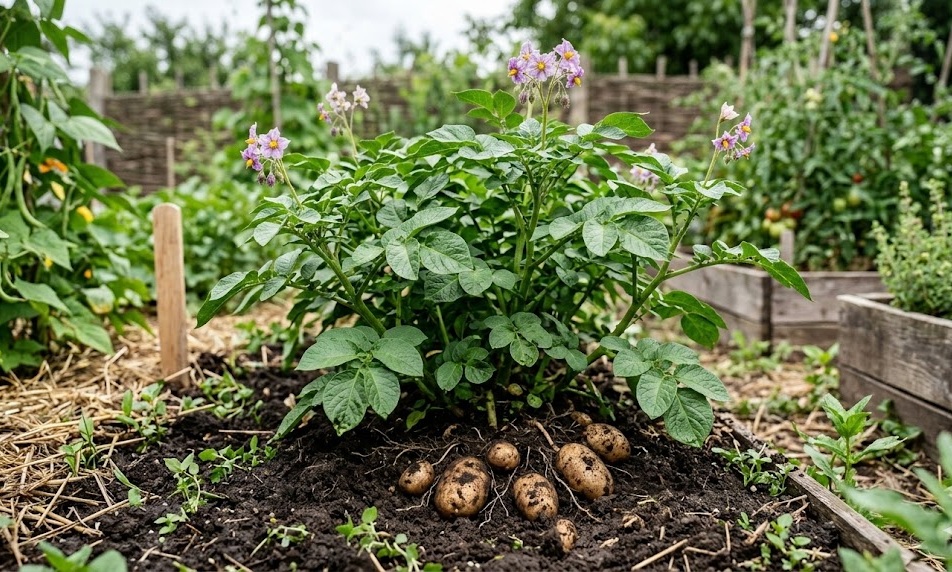
Hilling is perhaps the most iconic and necessary physical task associated with professional potato cultivation throughout the summer. This process involves drawing up loose soil around the base of the plant as it grows taller over several weeks. You should begin this process when the stems reach about twenty centimeters in height to provide support and protection. By creating these mounds, you are effectively increasing the volume of soil available for tuber development.
More articles on this topic
The primary purpose of hilling is to protect developing potatoes from exposure to direct sunlight. When tubers are exposed to light, they produce chlorophyll and a bitter toxin called solanine, which turns them green and inedible. A thick layer of soil acts as a natural shield, ensuring that every potato remains buried and safe for consumption. You should check your hills after heavy rains to ensure that no soil has washed away, exposing the crop.
Furthermore, hilling helps with drainage and regulates the temperature around the root zone during the peak of summer. The raised beds created by hilling allow excess rainwater to run off more freely, preventing the tubers from sitting in waterlogged conditions. This structural change also keeps the core of the mound slightly cooler than the flat surrounding ground. This temperature regulation is vital for maintaining steady growth rates during heatwaves.
You should aim to repeat the hilling process at least two or three times during the early and mid-growth stages. Each subsequent layer of soil encourages the plant to send out more stolons from the buried portions of the stem. This can lead to a more concentrated and abundant harvest within each individual hill. Using a specialized hilling hoe or even a standard garden spade makes this task much more efficient for the grower.
Temperature and climate considerations
Potatoes are essentially cool-weather crops that perform best when daytime temperatures remain within a moderate range. You will notice that growth often slows down or stops entirely when temperatures consistently exceed thirty degrees Celsius. High heat can cause the plant to focus on foliage production at the expense of tuber growth, leading to disappointing results. Shading or increased irrigation can help mitigate some of the stress caused by extreme summer heat.
Nighttime temperatures are equally important for the successful transition from vegetative growth to tuber development. Ideally, the nights should be cool, as this encourages the plant to move sugars from the leaves down into the underground tubers. If the nights remain too warm, the respiratory rate of the plant increases, consuming the energy that should be stored as starch. Professional growers often monitor local weather stations to anticipate these fluctuations and adjust their care routines.
Frost is a significant threat to young potato plants in the spring and can set back your harvest by several weeks. While the tubers underground are usually safe, the tender green shoots are very sensitive to freezing temperatures. You should be prepared to cover your plants with horticultural fleece or extra soil if a late frost is predicted. Protecting the early growth ensures that the plant maintains its momentum through the most productive part of the season.
The humidity levels in your microclimate can also influence the overall health and vigor of your potato crop. High humidity combined with warm temperatures creates the perfect environment for fungal pathogens to thrive and spread quickly. You should ensure that your plants have adequate spacing to allow for maximum airflow through the foliage. Good ventilation helps the leaves dry quickly after rain or dew, reducing the window for infection.
Continuous crop monitoring and observation
A professional approach to potato care requires a keen eye for detail and daily walks through the garden. You should look for subtle changes in leaf color or texture that might indicate a nutrient deficiency or the arrival of pests. Early detection is the most powerful tool you have to prevent a small problem from becoming a total crop failure. Taking the time to inspect the undersides of leaves can reveal hidden insect eggs before they hatch.
The overall vigor of the plant canopy is a great indicator of how well the root system is functioning underground. If the plants appear wilted despite adequate moisture, there may be an issue with soil-borne pathogens or root damage. You should also watch for any signs of premature yellowing, which could signal a lack of nitrogen or the onset of a specific disease. Keeping a garden journal can help you track these observations and correlate them with weather patterns.
Observing the flowering stage is particularly important because it often marks the beginning of intensive tuber formation. While the flowers themselves are beautiful, they represent a period where the plant’s water and nutrient demands are at their peak. You should pay extra attention to the soil moisture levels during this time to ensure the tubers have everything they need. Seeing healthy blooms is usually a sign that the plant is entering its most productive phase.
Finally, monitoring the natural senescence of the plant helps you time the harvest perfectly for long-term storage. As the leaves begin to brown and the stems lose their turgidity, the plant is naturally shutting down and toughening the potato skins. You should resist the urge to harvest too early if you want the potatoes to last through the winter months. Watching the plant’s lifecycle reach its natural conclusion is a satisfying part of the professional care process.
Maintenance of professional garden tools
High-quality tools are the extension of a gardener’s hands and must be kept in peak condition for effective potato care. You should regularly clean and disinfect your hoes, spades, and weeding tools to prevent the cross-contamination of soil diseases. Fungal spores and bacteria can easily hitch a ride on dirty equipment from one part of the garden to another. A simple solution of diluted bleach or alcohol is sufficient for keeping your gear sterile.
Sharpening your tools is not just about making the work easier; it is about the health of the plants. A sharp hoe cuts through weed roots cleanly, whereas a dull one might tear the soil and cause unnecessary disturbance to the potatoes. You should use a mill file or a sharpening stone to maintain a fine edge on all your cutting implements. This precision allows you to work faster and with much greater accuracy around delicate stems.
Rust prevention is another critical aspect of tool maintenance that often gets overlooked in busy gardening seasons. After each use, you should remove all soil and moisture from your metal tools before storing them in a dry place. Applying a thin coat of linseed oil or a similar protective lubricant prevents oxidation and extends the life of your investment. Well-maintained tools are more comfortable to use and provide better results in the field.
Ergonomics should also be considered when selecting and maintaining tools for the long hours required for potato hilling and weeding. You should choose tools with handles that are the correct length for your height to avoid unnecessary back strain. Replacing cracked wooden handles or adjusting loose components ensures that your work remains safe and efficient. Investing in professional-grade equipment pays off through improved productivity and less physical fatigue.
Preparing for the final harvest sequence
The final phase of potato care involves preparing the crop for a successful transition from the field to the pantry. You should stop all fertilization several weeks before you plan to harvest to allow the plants to stabilize. Reducing the water supply slightly during the last fortnight can also help the tubers begin the skin-hardening process. This intentional slowdown mimics the natural end of the growing cycle and prepares the potatoes for dormancy.
Cutting back the foliage, also known as “top-killing,” is a common professional practice used to manage the timing of the harvest. By removing the green stems about two weeks before digging, you force the potatoes to toughen their skins while still in the ground. This makes them much more resistant to bruising and mechanical damage during the lifting process. You should use clean shears or a mower to take the tops down to just a few centimeters above the soil.
You should choose a clear, dry day for the actual harvest to ensure that the soil falls away from the tubers easily. Wet soil can cling to the potatoes, making them harder to clean and increasing the risk of rot during storage. Having all your crates, baskets, and digging forks ready beforehand ensures a smooth and organized workflow. Avoid using sharp power tools for harvesting if you want to minimize the risk of slicing into the tubers.
Once the potatoes are out of the ground, they need a short period of “curing” in a shaded, well-ventilated area. This final step of care allows any minor nicks or scratches to heal over and the skins to set completely. You should never leave freshly dug potatoes in direct sunlight for more than an hour, as they can quickly become sunburnt. Following these final care steps ensures that your hard work throughout the season results in a high-quality, long-lasting crop.