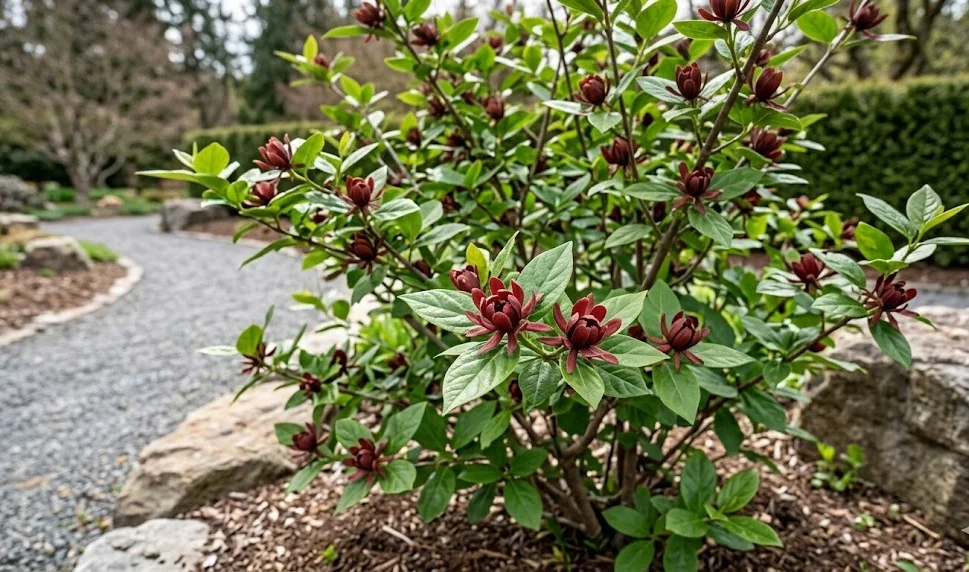

Successful establishment of the western spicebush begins with a thoughtful approach to the initial planting process. Because this shrub is a long-lived perennial, the decisions made during the first few hours can affect its health for decades. Professional gardeners prioritize the preparation of the site long before the plant actually arrives at the garden. A well-executed planting strategy ensures that the specimen adapts quickly to its new surroundings and avoids transplant shock.
The timing of the planting is one of the most critical factors to consider for optimal results. In most temperate regions, late autumn or early spring is the ideal window for putting this shrub into the ground. During these periods, the plant is either dormant or just beginning its growth, which reduces the stress on its systems. The cool temperatures and increased rainfall also help the roots settle into the soil without the risk of drying out.
Site selection must take into account both the current needs of the plant and its future dimensions. You must look for a spot that offers filtered sunlight and consistent moisture throughout the year. The western spicebush is particularly well-suited for low-lying areas of the garden where water tends to collect naturally. Ensuring there is enough vertical and horizontal space for the mature shrub is essential to avoid future transplanting needs.
Soil preparation should involve a deep digging of the area to loosen any compacted layers that might hinder root growth. Incorporating a generous amount of well-rotted compost will provide an immediate boost to the soil’s fertility and structure. If the local soil is heavy clay, adding some coarse sand or grit can help improve the internal drainage. A professional-grade planting site is one that is rich, friable, and ready to support a massive root network.
Planting techniques for maximum vitality
When you are ready to plant, begin by digging a hole that is at least twice as wide as the current root ball. The depth of the hole should be exactly the same as the height of the container to ensure the plant sits at the correct level. Planting too deep can lead to stem rot, while planting too shallow can cause the roots to dry out. This precision is what separates a professional installation from a casual gardening attempt.
More articles on this topic
Carefully remove the shrub from its container, taking care not to damage the delicate fine roots that are essential for water uptake. If the roots are circling the pot, gently tease them outward to encourage them to grow into the surrounding soil. Place the plant in the center of the hole and check its orientation from several different angles. Once you are satisfied with its position, begin backfilling the hole with the amended soil you prepared earlier.
Tamp the soil down firmly but gently with your hands to remove any large air pockets that could trap the roots. It is important not to use your feet for this task, as the weight of a person can overly compact the soil. After backfilling, create a small basin of soil around the base of the plant to help hold water. This simple structural addition ensures that moisture is directed exactly where it is needed most during the early stages.
Immediate aftercare involves a deep and thorough watering to settle the soil and hydrate the plant’s tissues. Apply a layer of organic mulch around the base, making sure it does not touch the main stems directly. This mulch will help maintain a consistent temperature and moisture level during the critical first few weeks. Monitoring the plant daily during this time will help you spot any signs of stress and adjust your care accordingly.
Propagation from seeds and natural methods
Propagating the western spicebush from seed is a rewarding process that requires a good deal of patience and attention. The seeds are contained within a woody capsule that should be harvested once it has turned completely brown in late autumn. Inside, you will find several large seeds that need to be cleaned and prepared for the sowing process. Using fresh seeds always results in higher germination rates compared to using older material stored for long periods.
More articles on this topic
Cold stratification is a necessary step to break the dormancy of the seeds and mimic a natural winter period. You can achieve this by placing the seeds in a mixture of moist sand or peat and keeping them in a refrigerator for several months. This professional technique ensures that the seeds are ready to sprout as soon as they are moved to a warmer environment in the spring. Without this cold treatment, the seeds may remain dormant for a very long time or fail to germinate altogether.
Sow the stratified seeds in a high-quality seed-starting mix and cover them with a thin layer of soil. Keep the containers in a bright location but out of direct sunlight to prevent the delicate seedlings from burning. It is vital to maintain a consistent moisture level without making the soil soggy or waterlogged. Patience is key here, as the germination process for this species can be somewhat irregular and slow compared to other shrubs.
Once the seedlings have developed several sets of true leaves, they can be moved into individual pots to continue their growth. Continue to provide them with a sheltered environment and regular water as they build up their strength. It is usually best to keep these young plants in a nursery area for at least a year before moving them to their permanent garden home. This gradual transition produces much hardier plants that are better equipped to survive in the landscape.
Vegetative propagation and cloning techniques
For those who want to produce plants that are identical to a specific parent specimen, vegetative propagation is the best method. Taking softwood cuttings in the early summer is a common professional practice for the western spicebush. Choose healthy, non-flowering shoots and cut them into lengths of about ten to fifteen centimeters. Removing the lower leaves and dipping the ends in a rooting hormone can significantly increase the chances of success.
The cuttings should be placed in a well-draining medium, such as a mix of perlite and peat, and kept under high humidity. Using a propagation dome or a plastic cover helps to maintain the moisture levels around the foliage while roots are forming. Bottom heat can also be used to speed up the process and encourage a more robust root system. Keep the cuttings in a shaded area to minimize stress and prevent them from wilting during the rooting phase.
Layering is another effective natural method for propagating this shrub without having to remove parts of the parent plant. This involves bending a flexible lower branch down to the ground and burying a portion of it under the soil. Wounding the buried section slightly and applying rooting hormone can help stimulate the growth of new roots. After a year or so, the branch will have developed its own root system and can be detached from the parent.
Dividing established clumps is also possible, although this is more challenging due to the woody nature of the root system. This should only be attempted with very large specimens and is best done during the dormant winter months. Carefully dig up a section of the plant with plenty of roots attached and move it immediately to its new location. Provide extra water and care for the first season to help the division recover from the trauma of the move.