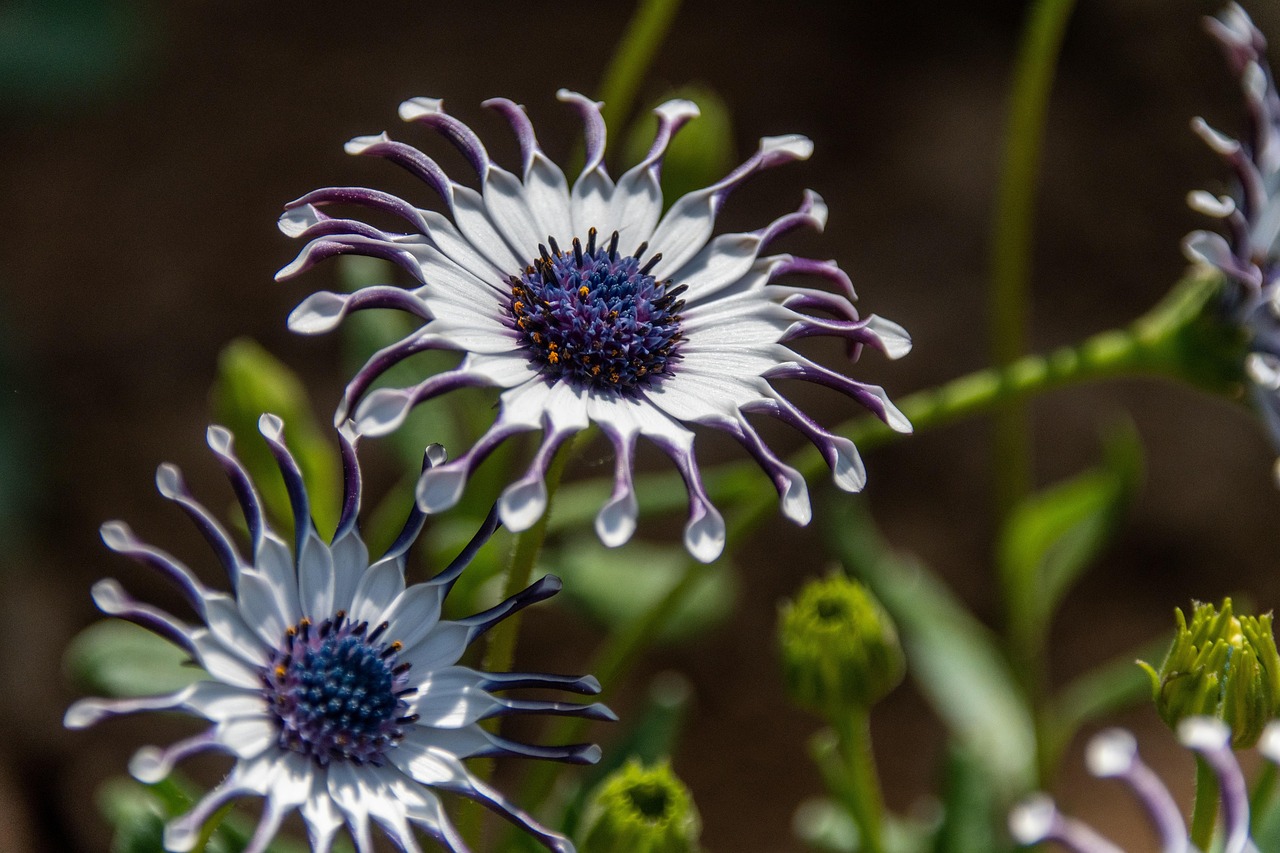

Establishing a vibrant collection of cape daisies in your garden begins with a fundamental understanding of proper planting techniques and propagation methods. These plants are remarkably adaptable, yet they require a specific start to ensure they reach their full ornamental potential. Whether you are starting from nursery-bought specimens or attempting to multiply your own stock, timing and technique are the two most important factors. A successful planting phase sets the stage for years of color and structural beauty in your landscape designs.
The first step in the planting process is to determine the optimal timing for your local climate zone. Since these daisies are sensitive to freezing temperatures, you must wait until all danger of frost has passed in the spring. Soil temperature should ideally be around fifteen degrees Celsius to encourage rapid root establishment and minimize transplant shock. Planting too early in cold, damp soil can lead to root rot and a significantly stunted growth rate for the rest of the season.
Preparation of the planting site is a task that should be completed several days before the actual plants go into the ground. You should clear the area of all weeds and debris that might harbor pests or compete for essential resources. Digging in a generous amount of organic compost will improve the texture and nutrient profile of the soil significantly. This preparation ensures that the young plants have immediate access to everything they need to thrive in their new home.
When you are ready to plant, handle the root balls of your cape daisies with extreme care to avoid damaging the delicate fine roots. The hole you dig should be twice as wide as the current root system but no deeper than the original container. Placing the plant too deep in the soil can lead to stem rot, while planting it too shallow may cause the roots to dry out. Once the plant is in place, firm the soil gently with your hands and water it thoroughly to settle the earth.
The process of successful planting
Achieving the perfect spacing between your plants is essential for both aesthetic appeal and long-term health. Cape daisies generally require about thirty to forty centimeters of space between each other to allow for their spreading growth habit. This distance ensures that each plant receives adequate sunlight and that air can circulate freely through the dense foliage. Crowded plants are more likely to suffer from fungal issues and often produce fewer flowers due to competition.
More articles on this topic
If you are planting in a mixed border, consider the eventual height and width of the daisy variety you have chosen. Taller varieties should be placed toward the middle or back of the bed, while compact versions are perfect for edging. Thinking about the visual layers of your garden during the planting stage will result in a more professional and balanced look. You can use temporary markers to visualize the layout before you commit to digging any holes.
The initial watering immediately after planting is perhaps the most critical moment in the life of a new transplant. You should apply water slowly and deeply to ensure that it reaches the bottom of the root zone and eliminates air pockets. This deep hydration encourages the roots to grow downward into the cooler, moister layers of the soil rather than staying near the surface. A light application of a transplant-friendly liquid fertilizer can also provide a gentle boost to help the plant recover from the move.
After the plants are in the ground, monitoring them closely for the first two weeks is vital for their survival. You may notice some slight wilting during the first few days as the plant adjusts to its new environment and sunlight exposure. If the wilting persists into the cool of the evening, it may be a sign that the plant needs more water or protection. Once you see new green growth appearing at the tips of the stems, you can be confident that the establishment phase is complete.
Propagation through seed sowing
Growing cape daisies from seeds is a cost-effective way to fill large areas of your garden with a wide variety of colors. For the best results, you should start your seeds indoors about six to eight weeks before the last expected frost date. Use a high-quality seed-starting mix that is lightweight, sterile, and designed to retain moisture without becoming waterlogged. Press the seeds lightly into the surface of the soil, but do not cover them deeply, as they require some light to germinate.
More articles on this topic
Maintain a consistent temperature of around twenty degrees Celsius in your seed-starting area to encourage even germination. You can use a plastic dome or clear wrap to maintain high humidity levels during the initial stages of the process. Once the first green shoots appear, remove the cover and place the trays in a very bright location or under grow lights. Rotate the trays frequently to ensure the seedlings grow straight and strong rather than leaning toward the light.
When the seedlings have developed at least two sets of true leaves, they are ready to be transplanted into individual small pots. This gives the root systems more room to expand and prevents the young plants from becoming root-bound or leggy. Continue to provide bright light and a diluted liquid fertilizer to support the rapid growth that occurs during this stage. The goal is to produce a sturdy, compact plant that is ready for the transition to the outdoor garden.
Hardening off your home-grown plants is a non-negotiable step before they can be permanently planted outside. Start by placing the pots in a sheltered, shady spot outdoors for just an hour or two each day. Gradually increase their exposure to direct sunlight and wind over a period of seven to ten days until they are fully acclimated. This process toughens the cell walls of the plant and prepares them for the realities of the outdoor environment.
Propagation from stem cuttings
Taking stem cuttings is the most reliable way to create exact clones of your favorite cape daisy varieties. The best time to take cuttings is in late summer or early autumn when the plant stems are firm but still actively growing. Look for healthy, non-flowering shoots that are about ten centimeters long and free from any signs of pests or disease. Using a sharp, sterilized blade to make your cuts ensures a clean wound that heals quickly and resists infection.
Remove the leaves from the bottom half of the cutting to expose the nodes where new roots will eventually emerge. You can dip the cut end into a rooting hormone powder to speed up the process, although this is not strictly necessary. Insert the cuttings into a pot filled with a well-draining mix of perlite and peat moss, ensuring at least two nodes are buried. Firm the medium around the base of the cutting to provide support and eliminate any large air gaps.
Place the pot of cuttings in a bright location out of direct sunlight and keep the medium consistently moist but not soggy. A small plastic bag placed over the pot can create a mini-greenhouse effect that helps maintain the necessary humidity levels. You will know that the cuttings have successfully rooted when you see new growth at the tips or feel resistance when you gently tug on the stem. This typically takes between three to six weeks depending on the temperature and the health of the parent plant.
Once the new root systems are well-established, you can move the young plants into individual pots with regular potting soil. Treat these new plants with care, providing them with ample light and protection from extreme weather until they are strong enough to be planted out. Propagation through cuttings allows you to preserve specific colors or growth habits that might not come true from seed. It is a rewarding skill that allows you to expand your garden collection indefinitely at no extra cost.