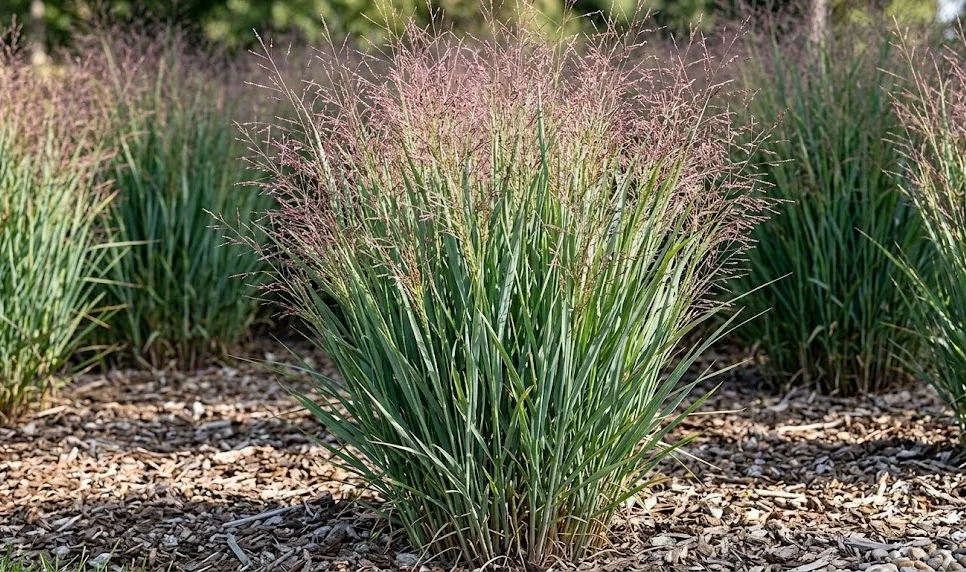

Successful planting and propagation of switchgrass require a clear understanding of its establishment phase and the methods used to expand its presence in the landscape. As a warm-season grass, its growth cycle is dictated by soil temperature, which significantly influences the timing of all planting activities. Whether you are starting from seed or dividing established clumps, the goal is to provide a stable environment where the roots can take hold. A professional approach to these early stages ensures that the resulting plants are robust, healthy, and capable of reaching their full ornamental potential.
Site selection and preparation
The first step in any planting project is selecting a site that meets the specific biological needs of the grass. Switchgrass thrives in locations that receive full sun, which is defined as at least six to eight hours of direct sunlight per day. Adequate light is crucial for the development of strong, upright stems and the vibrant colors associated with many popular cultivars. Planting in too much shade often leads to weak, spindly growth and a tendency for the foliage to flop over.
Soil preparation is equally important and should begin well before the actual planting date. While the species is adaptable to various soil types, ensuring good drainage is vital to prevent root rot during the establishment phase. If the soil is heavily compacted, it should be loosened to a depth of at least twelve inches to allow for easy root penetration. Removing existing weeds and grass from the area is essential to eliminate competition for moisture and nutrients during the first year.
Before planting, it is highly recommended to conduct a basic soil test to understand the nutrient levels and pH of the site. Switchgrass is generally not demanding in terms of fertility, but extreme imbalances can hinder its growth and overall health. If the soil test indicates a severe deficiency, organic amendments can be incorporated into the top few inches of the soil. However, caution should be exercised to avoid over-fertilizing, as this can encourage excessive and weak leaf growth.
The final consideration in site selection is the ultimate size and spread of the grass once it reaches maturity. Professional landscape designers always account for the mature height and width of the chosen variety to ensure it has enough space to grow. Crowding plants too closely together can lead to poor air circulation and increased susceptibility to fungal diseases. By giving each plant adequate room, you allow its natural form to be fully appreciated within the garden design.
More articles on this topic
Planting techniques and initial care
The best time to plant switchgrass is in late spring or early summer when the soil has warmed up significantly. Because it is a warm-season grass, planting too early in cold soil can lead to seed or root rot before the plant has a chance to grow. Aim for a soil temperature of at least 15°C to ensure rapid and healthy root development. This timing aligns with the natural growth cycle of the plant and provides the best conditions for a successful start.
When planting container-grown specimens, the hole should be twice as wide as the root ball but no deeper. The top of the root ball should be level with the surrounding soil surface to prevent burying the crown too deeply. Burying the crown can lead to rot, while planting it too high can cause the roots to dry out and die. Once the plant is in the hole, fill in with the original soil and firm it down gently to remove any large air pockets.
Immediate aftercare is focused on ensuring the new plant receives consistent and adequate moisture. Deeply watering the plant right after planting helps settle the soil and provides the hydration needed for the roots to begin expanding. For the first few weeks, the soil should be kept consistently moist but never waterlogged or swampy. As the plant becomes more established, you can gradually reduce the frequency of watering while increasing the amount given each time.
Applying a thin layer of organic mulch around the base of the plant can be very beneficial during the first growing season. Mulch helps to retain soil moisture, suppress weed growth, and protect the young roots from extreme temperature fluctuations. Be careful to keep the mulch a few inches away from the actual stems of the grass to prevent moisture buildup against the crown. This simple step can significantly improve the survival rate of newly planted switchgrass in challenging environments.
More articles on this topic
Propagation through seed
Growing switchgrass from seed is a cost-effective way to establish large areas of grass, such as in meadow restorations or naturalistic landscapes. It is important to source high-quality seeds that are appropriate for your specific region and intended use. Some seeds may require a period of cold stratification to break dormancy, which mimics the natural winter conditions they would experience in the wild. Checking the specific requirements for your chosen seed variety is a key step in the process.
The seeds should be sown onto a firm, clean seedbed that has been cleared of all competing vegetation. They are typically planted quite shallow, usually no more than a quarter to half an inch deep, to allow for light penetration. If seeds are buried too deeply, they may fail to germinate or the young seedlings may not have enough energy to reach the surface. Pressing the seeds into the soil surface ensures good contact, which is vital for moisture absorption.
Germination usually occurs within two to three weeks, provided the soil temperatures remain warm and moisture is consistent. During this period, the area must be monitored closely to ensure the delicate seedlings do not dry out or get smothered by weeds. Because switchgrass puts a lot of energy into its root system during the first year, top growth may initially appear slow and unimpressive. Patience is required, as the plants will become much more robust and visible in their second and third years of growth.
Managing a newly seeded area involves careful weed control to give the young grass plants a chance to dominate the space. Mowing the area to a height of four to six inches during the first season can help prevent annual weeds from setting seed. Avoid using broadleaf herbicides near the young seedlings unless they are specifically labeled for use with ornamental grasses. Over time, the switchgrass will form a dense canopy that naturally suppresses most weed competition.
Propagation by division
Division is the preferred method for propagating specific cultivars of switchgrass while ensuring the new plants are identical to the parent. This technique is also used to rejuvenate older clumps that have become overly large or have died out in the center. The best time for division is in early spring just as the new green shoots are beginning to emerge from the ground. Dividing at this stage allows the plant to focus its energy on root recovery before the heat of summer arrives.
To divide an established clump, start by digging up the entire root mass using a sharp spade or a garden fork. This can be a labor-intensive task for large plants, as the root systems are often very dense and extensive. Once the clump is out of the ground, use the spade or a heavy-duty knife to cut the root ball into several smaller sections. Each new division must have a healthy portion of roots and several active growth buds or shoots to be successful.
Replant the divisions as soon as possible to prevent the roots from drying out in the air and sun. Follow the same planting techniques used for container-grown plants, ensuring the crowns are at the correct depth and the soil is firmed in well. If you cannot replant them immediately, keep the divisions in a shaded area and cover the roots with damp burlap or soil. Getting the new plants back into the ground quickly is the most important factor in their successful establishment.
After division, the new plants will require extra attention regarding watering for several weeks to compensate for the loss of roots. It is normal for the divisions to look a bit stressed initially, but they should recover quickly as new roots begin to form. Avoid fertilizing newly divided plants, as this can cause further stress to the system during the recovery phase. With proper care, these divisions will grow rapidly and often reach a significant size by the end of their first season.