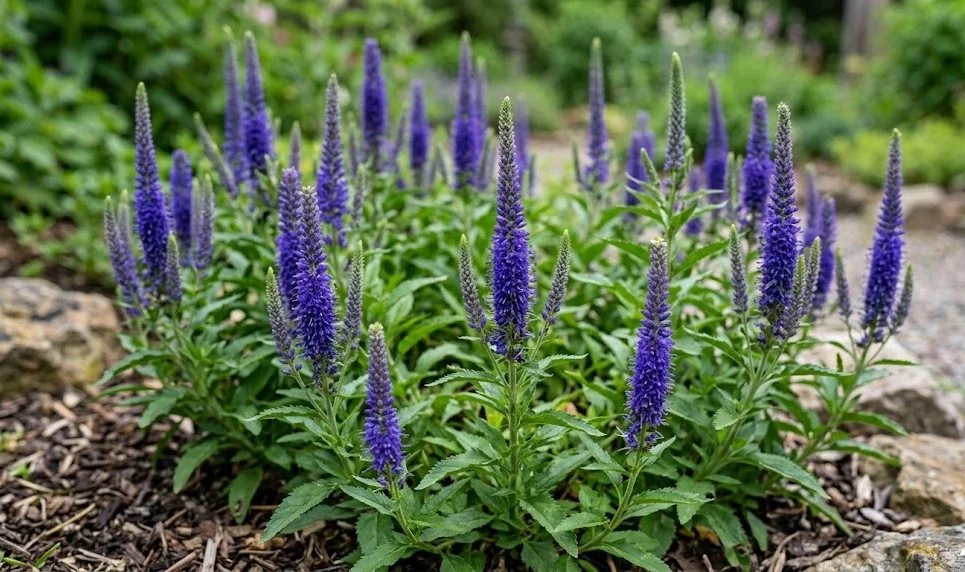

Successful cultivation of spiked speedwell begins with a well-planned planting process that respects the natural requirements of the species. Whether you are starting with seeds or mature nursery plants, the initial steps you take will determine the long-term health of the plant. It is important to choose the right time of year and the best location to give your new additions the best possible start. Following a professional protocol during the planting phase ensures that the speedwell establishes a strong and resilient root system.
You should begin by clearing the designated planting area of any weeds, grass, or debris that might compete with your new plants. This preparation allows you to see the true quality of the soil and make any necessary amendments before the plant goes into the ground. A clean site also reduces the risk of soil-borne diseases and pests attacking the young and vulnerable root systems. Taking the time to prepare the ground properly is a hallmark of an experienced and professional gardener.
The timing of your planting should ideally coincide with the moderate temperatures of early spring or early autumn to minimize transplant shock. Planting during these periods allows the spiked speedwell to focus its energy on root development rather than fighting extreme heat or cold. You will find that plants settled during the cooler parts of the year often perform better in their first blooming season. Avoiding the peak of summer heat for planting is a critical rule for ensuring a high survival rate for your perennials.
Once the site is ready and the timing is right, you can proceed with placing the plants in their permanent homes within the garden layout. You should space them appropriately to allow for their mature width, which prevents overcrowding and promotes good air circulation in the future. Proper spacing also makes it much easier to perform maintenance tasks like watering, weeding, and pruning as the plants grow. A well-organized planting scheme is the foundation of a beautiful and manageable garden landscape for years to come.
Site selection and preparation
Choosing the right site for your spiked speedwell is the most important decision you will make in the entire planting process. You must look for a spot that receives full sun for at least six to eight hours every day to ensure vibrant blooms. If the site is too shady, the plant will struggle to produce its signature flower spikes and may become weak and leggy. Assessing the light patterns in your garden throughout the day will help you identify the perfect location for these sun-loving plants.
More articles on this topic
Soil drainage is another critical factor that should influence your site selection when planning your new garden beds. Spiked speedwell does not tolerate “wet feet” and will quickly suffer from root rot if the soil remains waterlogged for too long. You can test the drainage by digging a small hole and filling it with water to see how quickly it disappears into the ground. If the water lingers for hours, you might need to build a raised bed or choose a different, more elevated spot.
Preparing the soil involves more than just digging a hole; it requires enhancing the earth to provide the best possible nutrition. You should incorporate organic matter such as compost or aged manure into the top twelve inches of the soil to improve its structure. This addition increases the soil’s ability to hold onto nutrients while also improving the overall drainage and aeration for the roots. A rich, well-prepared soil environment encourages rapid establishment and vigorous growth during the first few weeks after planting.
Finally, consider the wind patterns and structural support available at the chosen site to protect your plants as they grow taller. A site that is sheltered from the strongest winds will help prevent the tall flower spikes from being damaged during summer storms. You might also want to think about how the speedwell will look against the backdrop of your existing garden features or home. A carefully selected site provides the ideal balance of environmental protection and aesthetic appeal for your new perennial additions.
Sowing seeds for new growth
Starting spiked speedwell from seeds is a rewarding way to increase your plant collection while maintaining full control over the growing process. You can start the seeds indoors several weeks before the last frost to give them a significant head start on the season. Use a high-quality seed-starting mix that is lightweight and provides excellent drainage for the delicate new roots that will emerge. This indoor start allows you to monitor the moisture and temperature levels very closely during the most critical stage of growth.
More articles on this topic
The seeds are quite small and should only be lightly pressed into the surface of the soil rather than buried deeply under the earth. They require a certain amount of light to trigger the germination process, so keeping them near the surface is essential for success. You should maintain a consistent temperature and keep the soil surface moist but not soaking wet to prevent the seeds from rotting. A clear plastic cover can help retain humidity and create a mini-greenhouse effect for your germinating seeds during the first few days.
Once the seedlings have developed their first set of true leaves, they will need more light and a bit more space to continue their development. You can transplant them into larger individual pots if they were started in a shared tray to prevent the roots from becoming tangled. This is also the time to begin a very light fertilization routine to support the growth of strong stems and healthy green foliage. Gradually hardening off the seedlings by exposing them to outdoor conditions for short periods prepares them for life in the garden.
Direct sowing in the garden is also an option if you prefer a more natural approach and have a suitable site already prepared for them. You should wait until the danger of frost has passed and the soil has warmed up before scattering the seeds on the prepared surface. Keep the area well-watered and protected from birds or heavy rain that might wash the seeds away before they can sprout. While direct sowing may take longer to show results, it often produces very hardy plants that are perfectly adapted to your local environment.
Division of established clumps
Dividing mature spiked speedwell is a professional technique used to rejuvenate old plants and create new ones for other parts of your garden. You should consider dividing your plants every three to four years when the center of the clump begins to look thin or unproductive. This process is best performed in the early spring just as the new growth starts to emerge from the ground. Spring division gives the new sections a full growing season to establish themselves before the arrival of the next winter.
To begin the division, carefully dig up the entire root ball of the plant, taking care to preserve as much of the root system as possible. Use a sharp garden knife or a spade to cut the clump into several smaller sections, ensuring each piece has a healthy set of roots and shoots. You should discard the woody or dead center of the original plant and focus on the vigorous outer growth for your new divisions. This selective process ensures that only the healthiest and most energetic parts of the plant are replanted in your garden.
Replanting the divisions should happen immediately to prevent the roots from drying out and causing unnecessary stress to the new plants. You should treat each division as a new plant, providing it with well-prepared soil and plenty of water to help it settle in quickly. Maintaining the same planting depth as the original plant is important for the health of the crown and the emerging stems. Proper care following division will result in several healthy new plants that will bloom beautifully in their first or second year.
Division is not only a practical way to multiply your plants but also an essential maintenance task for the long-term health of the species. By breaking up large clumps, you improve air circulation and reduce the competition for water and nutrients among the individual stems. This leads to larger flower spikes and a more compact, attractive growth habit for all the resulting plants in your collection. Mastering the art of division is a key skill for any gardener who wants to maintain a professional-looking and high-performing landscape.
Care during the establishment phase
The first few weeks after planting or dividing spiked speedwell are the most critical for ensuring its long-term success in your garden environment. You should provide consistent moisture to the root zone, as the young plants have not yet developed the deep roots needed to find water on their own. However, be careful not to overwater, which can lead to soggy soil and potential root rot in the newly disturbed ground. Finding the right balance of hydration is the most important part of your care routine during this sensitive establishment period.
Applying a light layer of mulch around the new plants can help to keep the soil moisture levels stable and protect the roots from temperature extremes. You should keep the mulch a few inches away from the stems of the plant to prevent rot and allow for proper air circulation. This protective layer also helps to suppress any weed seeds that might try to germinate in the freshly turned soil near your new additions. Mulching is a simple but effective way to support your plants as they adjust to their new home and start to grow.
Monitor the new growth closely for any signs of pests or diseases that might take advantage of the plant’s temporary vulnerability after transplanting. You might notice some minor wilting or leaf drop during the first few days, which is a normal reaction to the stress of being moved. However, if the plant does not show signs of recovery within a week, you may need to reassess the soil conditions or light exposure. Providing a temporary shade screen can sometimes help newly planted speedwell survive particularly hot or sunny days during their first month.
By the end of the first growing season, your spiked speedwell should be well-established and ready to face the challenges of the upcoming winter months. You will notice that the root system has become more robust and the plant is producing healthy new foliage and perhaps even a few flowers. This successful establishment is a direct result of the careful planting and propagation steps you followed earlier in the year. A well-established plant is much more likely to return each year with increasing beauty and resilience for you to enjoy.