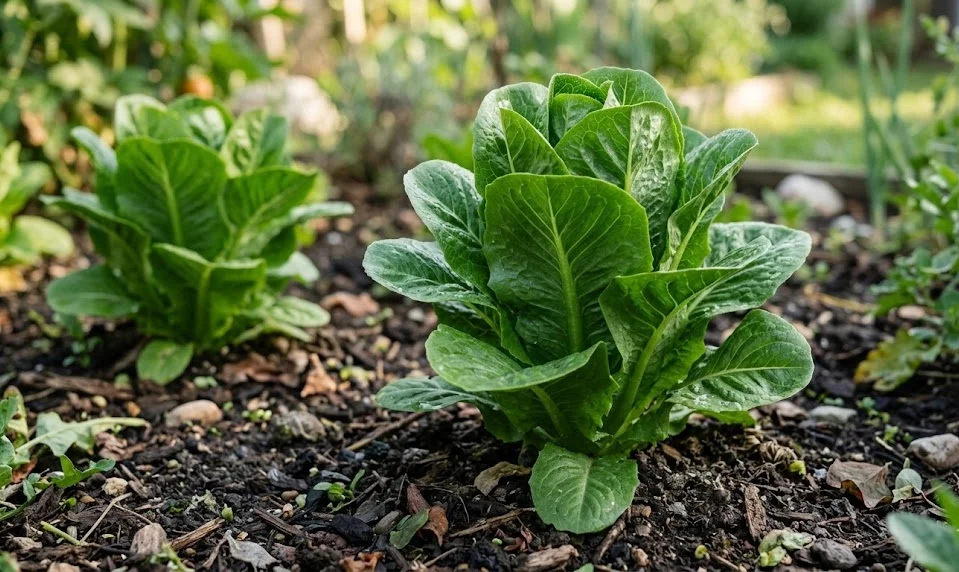

Choosing the right seeds is the first step toward a successful and abundant harvest of romaine lettuce in your garden. You should look for varieties that are well-suited to your local climate and have resistance to common diseases. Many gardeners prefer heirloom seeds for their exceptional flavor, while others choose hybrids for their consistency and vigor. Taking the time to research your options will pay off when you see your young plants beginning to sprout.
Starting your seeds indoors gives you a head start on the growing season and protects the young seedlings from unpredictable weather. You will need high-quality seed-starting mix and shallow trays or pots with good drainage to get started. Fill the containers with the mix and dampen it slightly before placing your seeds on the surface. Covering the seeds with a very thin layer of soil is usually sufficient, as they need some light to germinate effectively.
Maintaining the right temperature and moisture levels is crucial during the germination phase of the plant’s life. Romaine lettuce seeds typically sprout best when the ambient temperature is between 60 and 70 degrees Fahrenheit. You should keep the soil consistently moist but never soggy, as too much water can cause the seeds to rot before they grow. A spray bottle is a perfect tool for gentle watering without disturbing the delicate seeds.
Once the first green shoots appear, they will need plenty of bright light to grow strong and avoid becoming leggy. If you are growing them on a windowsill, make sure to rotate the trays daily so that the seedlings grow straight. Many professional growers use specialized grow lights to provide consistent illumination for twelve to fourteen hours a day. Strong seedlings are much more likely to survive the eventual transition to the outdoor garden.
Direct sowing methods for outdoor beds
Directly sowing seeds into the garden is a popular and straightforward method for growing romaine lettuce when the weather is mild. You should wait until the soil is workable and the danger of extreme frost has mostly passed in the early spring. Prepare the planting site by raking the soil until it is smooth and free of large clumps or stones. This creates a fine-textured bed that allows the tiny seeds to make good contact with the earth.
More articles on this topic
Create shallow furrows in the soil using a garden tool or even just your finger, spaced about twelve inches apart. Drop the seeds into the furrows, aiming for a spacing of about one inch between each seed to start. You can always thin the plants later once they have grown their first set of true leaves. Cover the seeds lightly with soil and firm it down gently to ensure they are well-placed and protected.
Watering the freshly sown seeds requires a very gentle touch to avoid washing them out of their rows. Use a watering can with a fine rose or a garden hose on a mist setting to dampen the area thoroughly. It is important to keep the surface of the soil moist until the seedlings emerge from the ground. In dry or windy weather, you may need to water the area once or twice a day to prevent the soil from crusting over.
Thinning is an essential part of the direct sowing process that many beginners find difficult to do. Once the seedlings are a few inches tall, you must remove the extra plants so that the remaining ones have enough room to grow. Aim for a final spacing of about eight to ten inches between each romaine plant to allow for full head development. You can eat the young plants you remove, as they make delicious and tender microgreens for your salads.
Transplanting seedlings into the garden
Moving your indoor-started seedlings to the garden is a delicate process that requires careful timing and preparation. Before you transplant them, you must harden off the young plants to get them used to the outdoor environment. Start by placing them outside in a sheltered spot for a few hours a day and gradually increase their exposure to sun and wind. This process usually takes about a week and helps prevent transplant shock, which can stall growth.
More articles on this topic
Choose a cloudy day or wait until the late afternoon to do your actual transplanting in the garden. This timing reduces the stress on the plants by giving them a chance to settle in without being scorched by the midday sun. Dig a small hole for each seedling that is just deep enough to accommodate its entire root system. Gently remove the plant from its container, being careful not to damage the fragile roots or the stem.
Place the seedling in the hole and fill in the space around it with loose soil, pressing down lightly to remove any air pockets. The plant should be sitting at the same depth in the garden as it was in its original pot. Water the transplants immediately to help the roots establish contact with the surrounding garden soil. This initial watering is vital for the survival of the young plants as they begin to adapt to their new home.
If the weather is particularly sunny or windy after transplanting, you may want to provide some temporary shade. Using row covers or even just upturned flower pots can protect the vulnerable seedlings for the first few days. Monitor the plants closely during the first week and ensure they receive adequate water as their roots begin to grow. Successful transplanting sets the stage for a productive season and a high-quality harvest of romaine.
Space optimization for better yields
Optimizing the space in your garden allows you to grow more romaine lettuce in a smaller area without compromising plant health. Intensive planting methods, such as wide rows or staggered patterns, can significantly increase your total vegetable production. By arranging your plants in a hexagonal or zigzag pattern, you make better use of every square inch of available soil. This strategy also creates a living mulch as the leaves grow and shade the ground between the plants.
Succession planting is another excellent way to ensure a continuous supply of fresh lettuce throughout the entire growing season. Instead of planting all your seeds at once, sow a small amount every two weeks for several months. This method prevents you from having too much lettuce at one time and then none at all a few weeks later. It allows you to harvest consistently and keeps your garden productive for a much longer period.
Intercropping is a clever technique where you grow romaine lettuce alongside other plants that have different growth habits. For example, you can plant lettuce in the shade of taller crops like tomatoes or pole beans to protect it from the sun. The lettuce will mature quickly and be harvested by the time the larger plants need more space in the garden. This approach maximizes your efficiency and helps to naturally manage pests and soil health.
Container gardening is a great option for those with limited space or for people who want to keep their lettuce close to the kitchen. Romaine grows very well in pots and window boxes as long as they have adequate drainage and high-quality potting soil. You can easily move the containers around to take advantage of the best light or to protect the plants from harsh weather. Growing in pots also makes it easier to control the soil environment and keep an eye out for any pests.