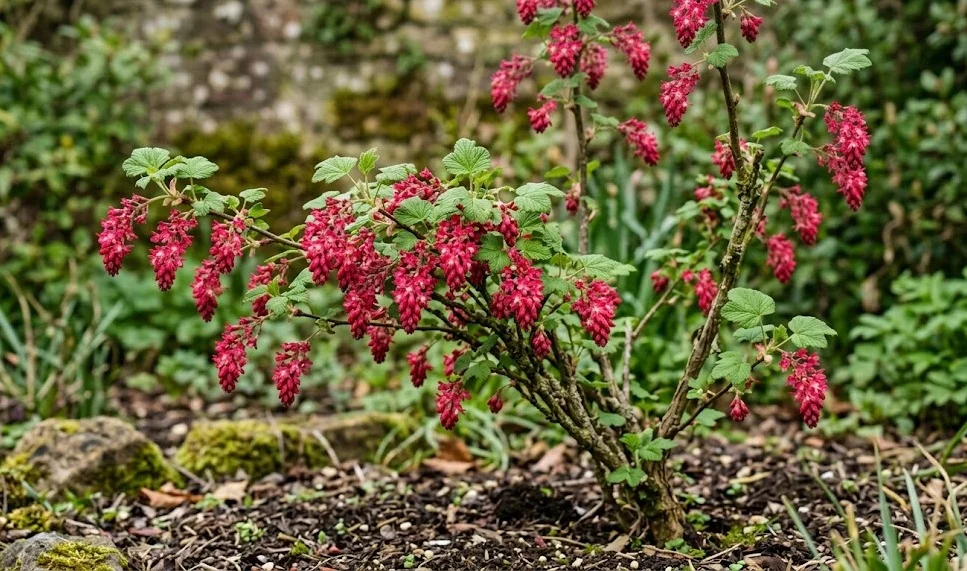

Successful establishment of this ornamental shrub begins with a precise understanding of the timing and methodology required for both initial planting and subsequent multiplication. Professionals recognize that the early stages of a plant’s life in a new location are critical for its long-term health and ability to withstand environmental fluctuations. By employing standardized horticultural techniques, you can ensure a high success rate whether you are adding a single specimen or creating a large-scale planting. This guide outlines the essential steps needed to master the art of expanding your collection through both purchase and home propagation.
Site selection and soil preparation protocols
Before the first shovel hits the ground, a thorough analysis of the intended planting site is necessary to ensure it meets the physiological requirements of the species. This shrub thrives in locations that offer a balance of sunlight and protection, typically favoring areas with full sun to partial shade. The soil should be deep, fertile, and characterized by a texture that allows for both moisture retention and adequate drainage. Conducting a simple drainage test by filling a hole with water and timing its disappearance can provide critical information about the suitability of the spot.
Once the site is chosen, soil preparation should involve deep cultivation to break up any existing compaction and improve the overall structure of the earth. Incorporating high-quality organic matter, such as well-composted leaf mold or garden compost, enriches the mineral content and enhances the microbial activity. It is beneficial to prepare a larger area than just the immediate planting hole to encourage the outward spread of the root system. Adjusting the pH to a slightly acidic or neutral range during this phase is much easier than trying to change it once the plant is established.
The physical boundaries of the planting area should be cleared of all perennial weeds and aggressive grasses that might compete for moisture during the critical first year. These competitors can significantly stunt the growth of a young shrub by depleting the topsoil of nitrogen and other essential elements. If the site is located in a particularly windy area, consider installing temporary barriers to protect the young stems from excessive transpiration. A well-prepared site acts as a biological foundation that reduces the need for intensive maintenance in the following years.
Finally, consider the long-term spatial requirements of the mature plant when determining the exact placement within the garden layout. Giving the shrub enough room to reach its full natural height and width prevents the need for restrictive pruning that can spoil its elegant form. Planning for adequate distance between neighboring plants also ensures that air circulation remains optimal as the garden matures. Professional design takes into account the future growth of all elements to create a sustainable and aesthetically pleasing landscape.
More articles on this topic
The mechanical process of planting
The optimal time for planting is during the dormant season, either in late autumn or early spring, when the plant is not actively producing new foliage. Dig a hole that is at least twice as wide as the current root ball but no deeper than the container it was grown in. This wide hole allows for the backfill soil to be loose enough for new roots to penetrate easily into the surrounding earth. It is a common mistake to plant too deep, which can lead to stem rot and poor vigor due to oxygen deprivation at the root flare.
Gently remove the plant from its nursery container and inspect the root system for any signs of circling or binding. If the roots have started to grow in a tight spiral, use a sharp tool to make a few shallow vertical cuts to encourage them to grow outward. Place the shrub in the center of the hole, ensuring that the top of the root ball is level with the surrounding soil surface. Firming the soil gently as you backfill helps to eliminate large air pockets while maintaining the necessary pore space for air and water.
Immediately following the planting process, the area should be thoroughly watered to settle the soil and provide the roots with essential moisture. This initial hydration is critical for closing any remaining gaps between the root system and the new soil medium. Apply a generous layer of organic mulch around the base, being careful to keep it a few inches away from the main stem to prevent moisture buildup against the bark. This mulch layer serves to regulate soil temperature and conserve moisture during the transition period.
In the weeks following planting, monitor the moisture levels closely, especially if the weather is unseasonably dry or windy. The young shrub has a limited root system and cannot yet access deep water reserves, making it highly dependent on surface hydration. Avoid the temptation to apply heavy doses of fertilizer immediately, as the focus should be on root establishment rather than top growth. A successful planting process is characterized by a gradual and steady adaptation to the new environment without signs of significant transplant shock.
More articles on this topic
Hardwood cuttings for reliable propagation
Hardwood propagation is one of the most effective and straightforward methods for creating new plants from an established parent specimen. This technique is performed during the mid-winter months when the wood is fully dormant and has accumulated enough stored energy to support root development. Select healthy, straight stems from the current year’s growth that are approximately the thickness of a pencil. These stems contain the highest concentration of growth hormones and are most likely to produce successful clones of the original plant.
Cut the selected stems into sections approximately six to eight inches long, making a straight cut just below a node at the base and a slanted cut at the top. The slanted cut helps to shed water away from the tip and serves as a visual marker to ensure the cutting is planted right-side up. Dip the base of each cutting into a rooting hormone powder or gel to stimulate the formation of callus tissue and subsequent roots. This extra step significantly increases the success rate, especially when working with larger quantities of material.
The prepared cuttings can be inserted into a well-drained propagation bed or individual containers filled with a mix of sand and peat or perlite. Ensure that at least two-thirds of the cutting is buried beneath the surface to prevent it from drying out during the winter months. If planting directly into the ground, a sheltered spot with some protection from extreme winds is ideal for the duration of the rooting process. Label each group of cuttings clearly so that you can track their progress and maintain an organized nursery area.
By the following spring, you should notice the buds beginning to swell and small leaves emerging, which indicates that roots have started to form. It is important to keep the propagation medium consistently moist but never waterlogged during this transitional phase. Allow the young plants to grow in their protected environment for at least one full growing season before transplanting them to their final positions. This method allows for the production of numerous new shrubs at very little cost to the gardener.
Softwood cuttings and layering techniques
For those who prefer to propagate during the active growing season, softwood cuttings offer a faster but more delicate alternative to hardwood methods. In early to mid-summer, take four-inch cuttings from the tips of new, non-flowering shoots that have just begun to firm up at the base. These cuttings must be kept hydrated at all times, so it is best to collect them in the early morning and process them immediately. Remove the lower leaves and insert the cuttings into a lightweight, sterile potting mix that provides excellent aeration.
Softwood cuttings require a high-humidity environment to prevent wilting while they develop their initial root systems. Placing the containers inside a plastic dome or a simple polyethylene bag can help maintain the necessary moisture levels around the foliage. Keep the propagation area in bright but indirect light, as direct sun can quickly overheat the cuttings and cause them to fail. With proper care, these cuttings can develop a functional root system in as little as four to six weeks.
Another reliable method for propagating this species is known as simple layering, which takes advantage of the plant’s natural tendency to root when branches touch the ground. Select a flexible, low-growing branch and gently bend it down to the soil surface during the spring or early summer. Make a small nick in the bark where the stem contacts the earth, then secure it in place with a landscape pin or a heavy stone. Cover the wounded area with a few inches of moist soil and keep the spot hydrated throughout the growing season.
By the following year, the buried section of the stem will have developed its own independent root system and can be severed from the parent plant. This method is particularly useful for gardeners who want to create a few large replacements without the need for specialized propagation equipment. The newly rooted layer can be carefully excavated and moved to its new location with a high probability of survival. Both softwood cuttings and layering provide excellent ways to maintain the genetic continuity of your favorite garden specimens.