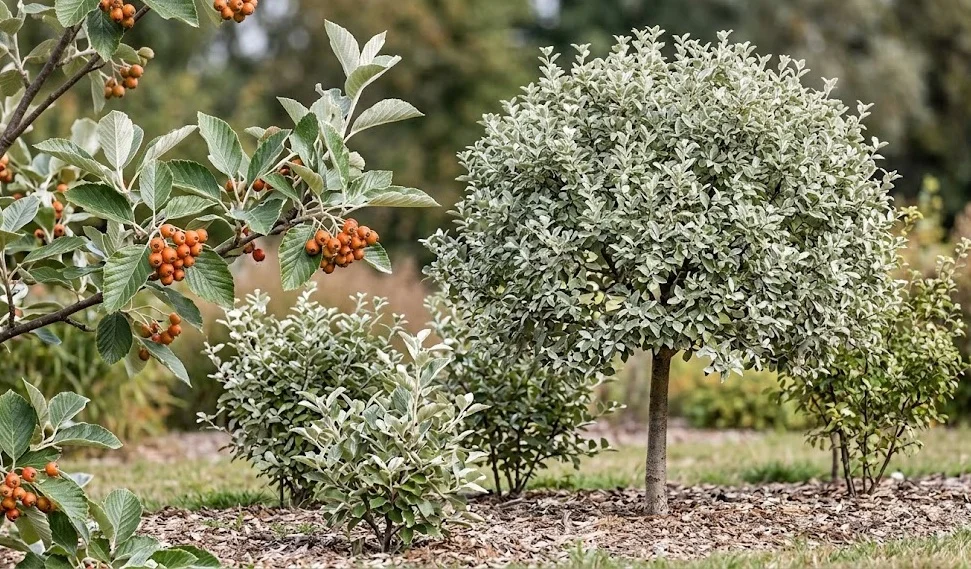

Successful establishment begins with selecting a site that provides excellent drainage and sufficient space for the mature canopy to expand without restriction. This species thrives particularly well in chalky or limestone soils, reflecting its natural preference for alkaline conditions found in mountainous regions. You should prepare the planting hole with care, ensuring it is twice as wide as the root ball to encourage outward lateral root growth. Integrating local soil with a small amount of compost can help bridge the transition from the nursery container to the permanent garden site.
The timing of planting is crucial for minimizing transplant shock and allowing the roots to settle before extreme weather arrives. Late autumn or early spring, when the tree is in a dormant state, represents the ideal window for moving young specimens into the ground. You must ensure the root flare remains visible at the soil surface, as burying the trunk too deeply can lead to suffocation and rot. Firming the soil gently around the roots eliminates large air pockets while still allowing for necessary water penetration.
Propagation through seeds is a rewarding although time-consuming process that requires patience and attention to detail. The seeds possess a natural dormancy that must be broken through a period of cold stratification, mimicking the conditions of a natural winter. You can achieve this by placing the cleaned seeds in a moist medium and storing them in a refrigerator for several months before sowing. Once germinated, the seedlings require a protected environment with consistent moisture and filtered light to develop their first true leaves.
Softwood cuttings taken in early summer offer another path for propagation, though this method requires high humidity and controlled temperatures. You should select healthy, non-flowering shoots and treat the base with a rooting hormone to increase the chances of successful root initiation. Placing the cuttings in a well-draining propagation mix under a plastic cover helps maintain the necessary atmospheric moisture. Monitoring the cuttings for any signs of mold or rot is essential during the several weeks it takes for a functional root system to form.