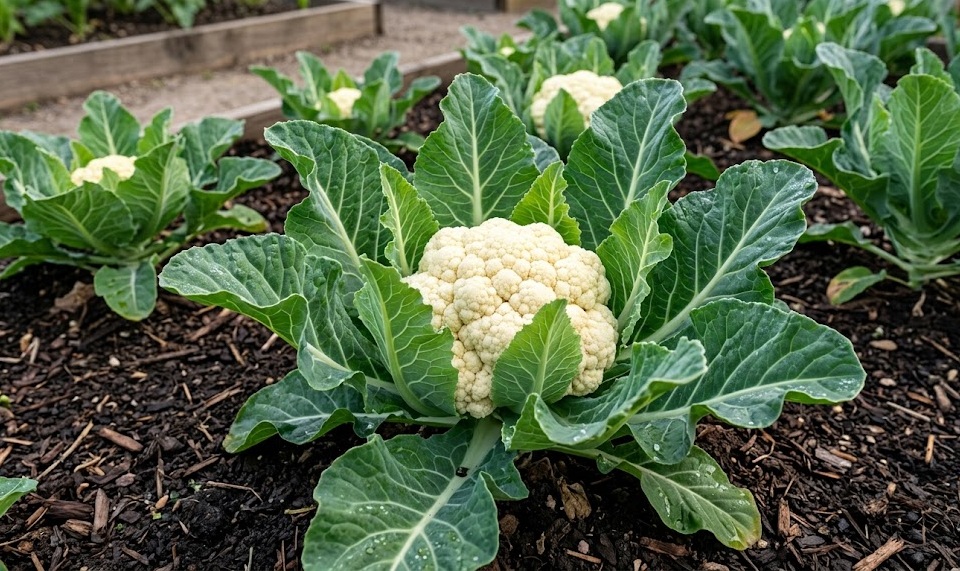

Choosing the right variety is the first and most important step in a successful planting strategy for cauliflower. You must decide between early, mid-season, or late varieties based on your local climate and desired harvest time. Some varieties are specifically bred for heat resistance, while others are better suited for the cooling temperatures of autumn. Reading the technical descriptions on seed packets will provide you with the necessary details for an informed decision.
Starting seeds indoors gives you a significant head start on the growing season and allows for better environmental control. You should use a high-quality, sterile seed-starting mix to prevent diseases like damping-off from killing young seedlings. Sowing the seeds about half an inch deep in individual cells or pots will minimize root disturbance later. Keeping the soil temperature around twenty-one degrees Celsius will ensure rapid and uniform germination within a week.
Light is a critical factor once the seedlings emerge from the soil and begin to grow. If they do not receive enough light, the stems will become leggy and weak, making them poor candidates for transplanting. Using artificial grow lights for fourteen to sixteen hours a day is often necessary for indoor starting during late winter. Position the lights close to the plants to encourage the development of stocky, strong stems that can withstand outdoor conditions.
Thinning the seedlings is often necessary to ensure that only the strongest plants continue to grow. You should remove the smaller or less vigorous seedlings to give the dominant ones more space and nutrients. Use a pair of scissors to snip off the unwanted plants at the soil line rather than pulling them out. This method protects the delicate root systems of the remaining seedlings from accidental damage or stress.
Transplanting seedlings to the field
Hardening off is the process of gradually acclimating your indoor seedlings to the harsh conditions of the outdoors. You should begin this process about a week before you plan to transplant them permanently into the garden. Start by placing the plants in a shaded, sheltered spot for a few hours each day and gradually increase their exposure. This gradual transition prevents transplant shock, which can permanently stunt the growth of cauliflower.
More articles on this topic
The ideal time to transplant is on a cloudy day or in the late afternoon to reduce moisture loss. Before you move the plants, ensure the soil in the garden is well-prepared and thoroughly moistened. Dig a hole that is slightly deeper and wider than the root ball of the seedling to allow for easy placement. Handling the plants by the leaves or root ball rather than the stem will prevent crushing the vital vascular tissues.
Setting the plants slightly deeper in the soil than they were in their pots can provide extra stability. You should press the soil firmly around the base of the plant to eliminate any air pockets that could dry out the roots. Immediately after transplanting, water each plant thoroughly with a gentle stream to help settle the soil. Providing a weak solution of liquid seaweed or transplant fertilizer can help the roots establish themselves more quickly.
Protecting new transplants from wind and sun for the first few days can significantly improve their survival rate. You can use temporary covers like row covers or even plastic jugs with the bottoms cut out to create a mini-greenhouse effect. Monitor the weather closely, as a sudden cold snap could still damage the young, tender plants even after they are hardened off. A successful transplanting phase sets the stage for a healthy and productive growing season.
Direct sowing and row management
While most professionals prefer transplants, direct sowing in the garden is possible in regions with long, mild growing seasons. You must ensure the soil has warmed sufficiently, as cold soil will cause the seeds to rot rather than germinate. Sowing several seeds every eighteen inches and then thinning to one plant is a common strategy for direct sowing. This method avoids the risk of transplant shock entirely but requires more careful management of early weeds.
More articles on this topic
Creating well-defined rows makes it easier to manage irrigation, weeding, and harvesting throughout the season. You should space your rows at least thirty inches apart to allow for comfortable walking and equipment access. This wide spacing also improves air circulation, which is vital for preventing the spread of foliar diseases. Marking your rows with stakes and string will help you maintain a professional and organized garden layout.
Soil moisture must be kept extremely consistent during the germination and early growth phases of direct-sown plants. If the surface of the soil dries out even briefly, the emerging seedlings may die before they can establish deep roots. Using a light mulch or a row cover can help retain surface moisture and protect the soil from crusting. You will need to check the moisture levels daily until the plants are several inches tall and have multiple true leaves.
Record-keeping is an essential part of professional row management and future planning. You should note which varieties were planted in which rows and track their growth progress over time. This information will help you identify which types perform best in your specific soil and microclimate. Over several seasons, these records will become an invaluable tool for improving your agricultural techniques and yields.
Propagation through specialized methods
While growing from seed is the standard, some agricultural researchers use tissue culture to propagate elite cauliflower lines. This laboratory technique allows for the rapid production of thousands of identical plants from a small piece of tissue. While not practical for most home gardeners, it is the foundation of modern commercial plant breeding and seed production. Understanding these advanced methods gives you a better appreciation for the science behind the seeds you plant.
In some cases, side shoots from a harvested plant can be used to start new plants, although this is rare for cauliflower. If a plant is left in the ground after the main head is cut, it may produce small secondary curds or leafy shoots. These shoots could technically be rooted in a greenhouse environment to create clones of the parent plant. However, the resulting plants are often less vigorous and prone to early flowering compared to those grown from seed.
Seed saving is a more traditional propagation method that requires leaving the best plants to go to flower. Because cauliflower is a biennial, it usually requires a cold period before it will produce a tall stalk of yellow flowers. You must ensure that no other related vegetables are flowering nearby to prevent cross-pollination. Once the seed pods turn brown and dry, you can harvest the seeds for use in the next growing season.
Storing saved seeds in a cool, dry, and dark place will maintain their viability for several years. You should use airtight containers and include a small packet of silica gel to absorb any residual moisture. Labeling the seeds with the variety name and the year of harvest is a professional habit that prevents confusion later. Proper propagation and seed management allow you to become a more self-sufficient and knowledgeable grower over time.