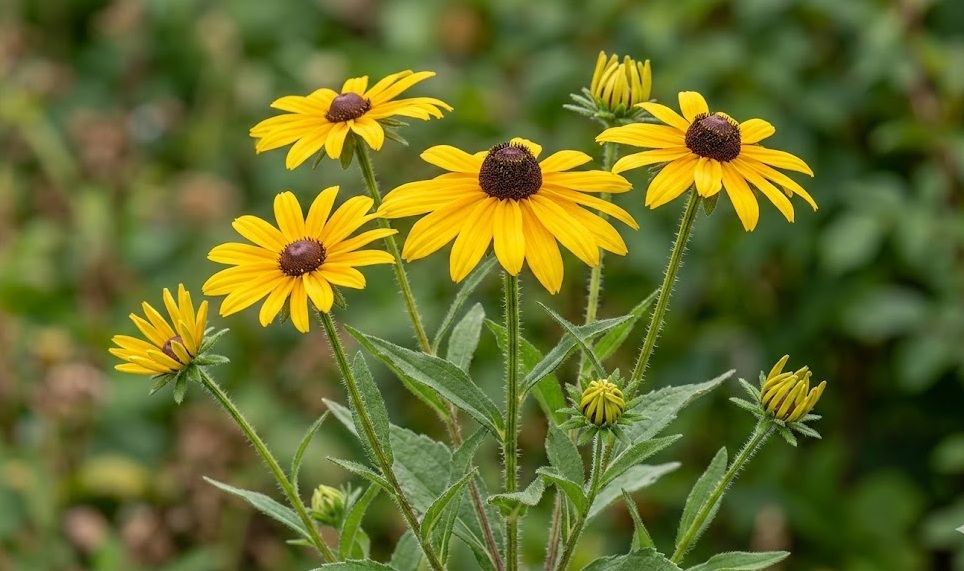

The process of bringing these iconic flowers into your garden begins with a clear understanding of their life cycle and growth habits. Whether you are starting from seed or using existing plants to create more, the timing and technique are crucial for achieving a professional result. Many gardeners find great satisfaction in watching a tiny seed transform into a towering display of golden petals. This article will guide you through the various methods of establishing and expanding your collection of these hardy perennials.
Starting seeds indoors is a popular method for those who want to get a head start on the growing season. You should begin the process about six to eight weeks before the last expected frost in your local area. Use a high-quality seed-starting mix that is light and well-aerated to allow the delicate roots to grow without resistance. Keeping the trays in a warm, bright location will encourage quick germination and help the seedlings develop strong, sturdy stems.
Direct sowing in the garden is another effective approach, especially for those who prefer a more naturalistic look in their landscapes. You can scatter the seeds on prepared soil in either the early spring or the late autumn, depending on your climate. These seeds require light to germinate, so you should press them gently into the earth rather than burying them deep underground. Nature will provide the necessary temperature fluctuations to trigger growth when the time is right.
Transplanting young seedlings requires care to avoid damaging the roots and causing unnecessary stress to the developing plant. You should wait until the danger of frost has passed and the soil has warmed up before moving them to their permanent home. Gradually acclimating the plants to outdoor conditions over a week will help them survive the transition more successfully. Water them thoroughly immediately after planting to help settle the soil around the root system.
Seed starting and germination
To achieve high germination rates, you must provide the seeds with a consistent environment that mimics their natural needs. Moisture is essential, but you should avoid making the soil soggy, as this can lead to rot before the seeds even sprout. Using a clear plastic cover or a humidity dome can help retain moisture and keep the temperature stable during the first few days. Once you see the first green shoots appearing, remove the cover to allow for better air circulation around the tiny plants.
More articles on this topic
Light is a critical factor for the development of healthy seedlings once they have emerged from the soil. If you are growing them indoors, a south-facing window might not provide enough intensity, so supplemental grow lights are often a professional choice. Keep the lights just a few inches above the tops of the plants and adjust the height as they grow to prevent them from becoming leggy. Aim for about fourteen to sixteen hours of light per day to promote robust and compact growth.
Thinning out your seedlings is a necessary step that many gardeners find difficult because it involves removing some of the plants. If too many seeds germinate in a small space, they will compete for light and nutrients, leading to weak specimens. Choose the strongest-looking seedling in each cell or spot and carefully snip away the others with a pair of small scissors. This ensures that the remaining plants have the best possible chance to grow into healthy and productive adults.
Feeding your young plants is important once they have developed their first set of true leaves. Use a diluted, water-soluble fertilizer that is high in phosphorus to support strong root development rather than just leafy growth. Be careful not to over-fertilize, as young roots are very sensitive and can easily be burned by concentrated chemicals. A light touch is always better when dealing with the early stages of a plant’s life cycle in a professional setting.
Division of mature clumps
Division is a fantastic way to propagate existing plants while also improving the health of older, crowded specimens in your garden. This process is best performed in the early spring just as the new growth begins to emerge from the ground. You should use a sharp spade to lift the entire root ball out of the earth, taking care to keep as much of the system intact as possible. Once the plant is out, you can see the natural points where the clump can be separated into smaller pieces.
More articles on this topic
Each new division must have a healthy section of roots and at least a few green shoots to ensure it can establish itself quickly. You can use your hands or a garden knife to gently pull the roots apart, avoiding any unnecessary tearing or crushing. If the center of the original plant has become woody or unproductive, it is best to discard that part and focus on the vigorous outer sections. This rejuvenation process will result in more flowers and a more attractive overall appearance.
Replanting the divisions immediately is crucial to prevent the roots from drying out and suffering from transplant shock. Prepare the new holes in advance, making sure they are wide enough to accommodate the roots without crowding them. Add a bit of organic matter to the bottom of each hole to give the new plants a nutritious start in their new location. Firm the soil gently around the base of the plant to remove any large air pockets that could cause issues.
Watering is the most important part of the post-division care routine to help the plants settle into their new homes. You should keep the soil consistently moist for the first few weeks as the roots begin to reach out into the surrounding earth. Providing a little bit of shade for the first few days can also help if the weather is particularly sunny or warm. With proper care, these divisions will quickly grow into full-sized plants that will bloom in their very first season.
Natural self-seeding and management
One of the great characteristics of these flowers is their ability to self-seed and create a naturalized look in the garden. If you allow the flower heads to remain on the plant at the end of the season, the seeds will fall to the ground and sprout the following spring. This can be a wonderful way to fill in gaps in your landscape without any extra cost or effort on your part. You may find new plants popping up in unexpected places, which can add a touch of whimsy to your outdoor space.
Managing these volunteers is part of being a professional gardener who wants to maintain a specific design or layout. If the new plants are growing too close to other species, you can easily pull them up or move them to a better location. It is best to do this while they are still small and have not developed a deep taproot system. By controlling where the seeds are allowed to grow, you can maintain a balance between a wild look and a structured garden.
The quality of self-seeded plants can vary, as they may not always look exactly like the parent plant if multiple varieties are grown nearby. This genetic diversity can lead to interesting new colors or forms, which some gardeners find very exciting. However, if you are looking for a very specific appearance, you might prefer to rely on purchased seeds or divisions of known varieties. Understanding how pollination and seed production work will help you manage your garden’s future generations more effectively.
To encourage self-seeding, avoid using heavy layers of wood chips or other thick mulches that might prevent the seeds from reaching the soil. A light layer of compost or leaf mold is more conducive to the germination of fallen seeds in the spring. You should also be careful with your weeding early in the season so that you do not accidentally remove the young seedlings. Learning to identify the distinct foliage of these young plants will help you distinguish them from common garden weeds.
Post-planting establishment and care
The first few months after planting are a critical time for establishing a strong foundation for future growth and flowering. You should monitor the weather closely and ensure that your new plants are receiving enough water to thrive. Even drought-tolerant species need consistent moisture during their initial establishment phase until their roots have grown deep into the soil. A thick layer of mulch around the base of the plants will help retain moisture and keep the roots cool.
Weeding is a necessary task that prevents your young plants from being overwhelmed by more aggressive species. You should remove weeds while they are small to avoid disturbing the roots of your desired flowers as you pull them up. Keeping the area clear of competition will allow the nutrients and water in the soil to go directly to your plants. A clean and well-maintained garden bed is not only more attractive but also much healthier for the plants living within it.
As the plants grow, you might notice that some are developing faster than others, which is perfectly natural in a garden environment. You can use a light application of balanced fertilizer to help the slower plants catch up if they seem to be struggling. Be sure to follow the instructions on the product label and avoid applying it directly to the foliage to prevent burning. Consistent and attentive care during this period will pay dividends in the form of a spectacular floral display later in the season.
Protecting your new planting from animals and extreme weather is another aspect of professional garden management. You can use temporary fencing or netting to keep deer and rabbits from nibbling on the tender new growth. If a late frost is predicted, covering the young plants with a light cloth or bucket can prevent damage to the leaves. By being proactive and prepared, you can ensure that your hard work in planting and propagation leads to a successful and beautiful outcome.