
Selecting the ideal container and setup
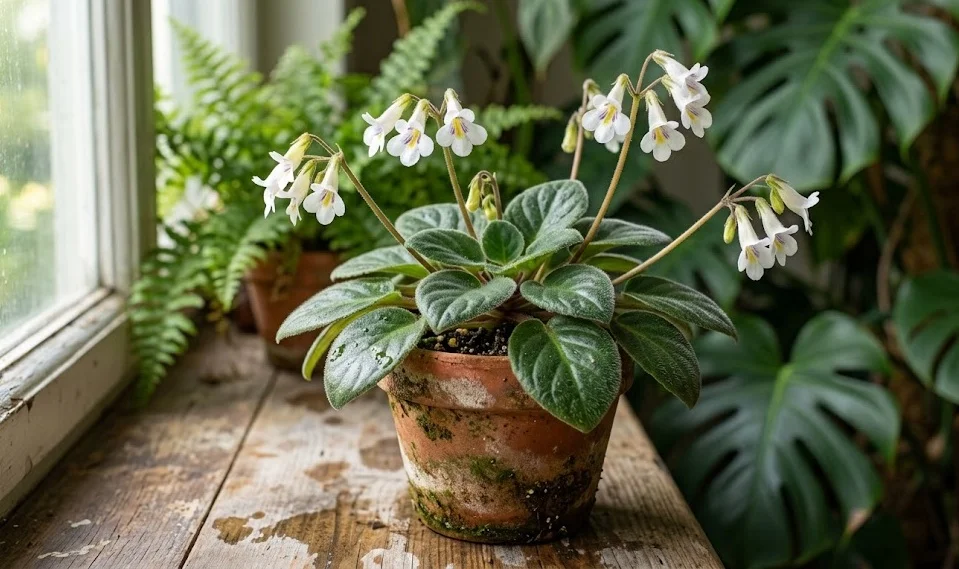
When you begin the journey of planting the vietnamese primrose, the choice of container is your first crucial decision. It is highly recommended to use small plastic or ceramic pots that feature multiple drainage holes at the bottom. Since this species has a relatively shallow root system, deep pots are often unnecessary and can lead to moisture problems. A pot that is roughly one-third the diameter of the leaf span is generally considered the perfect size.
The material of the pot can also influence how often you need to water your plant. Plastic pots retain moisture for longer periods, which can be beneficial if your home has very dry air. On the other hand, terracotta pots allow the soil to breathe more freely, which helps prevent root rot in humid environments. You should choose the material that best suits your specific indoor conditions and watering habits.
Before you place any soil in the pot, ensure that the container is completely clean and sterilized. This prevents the transfer of any soil-borne diseases or pests from previous plants to your new primrose. You can use a mild bleach solution or specialized garden cleaners for this purpose. Starting with a sterile environment is a fundamental practice in professional horticulture.
Placement within your home is the final step of the initial setup process. You should find a spot that offers bright, filtered light but is protected from direct midday sun. A north or east-facing windowsill is usually the safest bet for a newly planted specimen. Once the plant is settled, try not to move it too frequently while it establishes its roots.
Soil preparation and planting techniques
The soil mix for your vietnamese primrose must be engineered for maximum aeration and drainage. You should never use standard topsoil or heavy compost, as these will likely suffocate the delicate roots. A professional mix usually contains a high percentage of perlite or coarse sand to keep the structure open. You want a medium that feels light and fluffy even when it is damp.
More articles on this topic
When you are ready to plant, fill the pot loosely with your prepared soil mix without packing it down. Create a small indentation in the center that is just large enough to accommodate the root ball. Gently place the plant into the hole, ensuring that the crown remains just above the soil surface. Planting the crown too deep is a common mistake that often leads to rot and plant death.
After the plant is in place, you can lightly tap the sides of the pot to help the soil settle around the roots. Do not press the soil down with your fingers, as this can destroy the vital air pockets within the mix. A gentle watering immediately after planting will help establish contact between the roots and the soil. Use room-temperature water to avoid shocking the plant during this sensitive time.
For the first few weeks after planting, keep a close eye on the moisture levels in the pot. The plant needs a bit of extra care as it adjusts to its new home and starts to grow new roots. You might notice a slight pause in growth, which is perfectly normal during the acclimation period. Once you see new leaves appearing in the center, you know the planting was successful.
Propagation through leaf cuttings
Propagating the vietnamese primrose from leaf cuttings is a rewarding and relatively simple process for any enthusiast. You should select a healthy, mature leaf from the middle of the rosette for the best results. Use a sharp, sterile blade to cut the leaf stem at a forty-five-degree angle near the base of the plant. A clean cut promotes faster healing and reduces the risk of infection in the parent plant.
More articles on this topic
You can choose to root the leaf cutting either in water or directly in a light potting medium. Water rooting allows you to see the progress of the roots, but the transition to soil can sometimes be difficult. Planting directly into a mix of perlite and peat often results in stronger, more resilient root systems. Whichever method you choose, make sure the leaf is kept in a warm and bright location.
To create a mini-greenhouse effect, you can cover the cutting with a clear plastic bag or a dome. This keeps the humidity high and prevents the leaf from wilting before it has a chance to grow roots. Be sure to open the cover occasionally to allow for fresh air circulation and prevent mold growth. Within a few weeks, you should see tiny plantlets appearing at the base of the leaf.
Once the new plantlets have developed several leaves of their own, they can be carefully separated and potted individually. You must be extremely gentle during this process to avoid damaging the tiny, fragile roots. Use a small tool to help tease the plantlets away from the mother leaf if they are tightly attached. Growing multiple plants from a single leaf is a great way to expand your collection quickly.
Growing from seeds and advanced methods
Starting vietnamese primroses from seed is a more challenging but fascinating way to propagate this species. The seeds are incredibly small, appearing almost like fine dust to the naked eye. You should sow them on the surface of a fine, pre-moistened seed-starting mix without covering them. They require light to germinate, so placing them under a grow light can significantly improve your success rate.
Keep the seed tray covered with a transparent lid to maintain a constant level of high humidity. The temperature should be kept consistently warm, ideally around twenty-two degrees Celsius, to encourage germination. You must be patient, as it can take several weeks or even months for the tiny green specks to appear. Avoid watering from above, as a heavy stream of water can bury or wash away the microscopic seeds.
As the seedlings grow, they will need to be gradually acclimated to the lower humidity of your home. You can do this by slowly opening the lid of the seed tray over the course of a week. When they are large enough to handle, usually with two or three pairs of true leaves, they can be transplanted. This stage requires a very steady hand and a lot of focus to ensure the seedlings survive.
While leaf cuttings and seeds are common, some growers also use tissue culture for large-scale production. This advanced method involves growing plant cells in a sterile laboratory environment to create thousands of clones. While not practical for most home gardeners, it is how many of the plants in nurseries are produced. Regardless of the method, watching a new plant grow from scratch is always a magical experience.