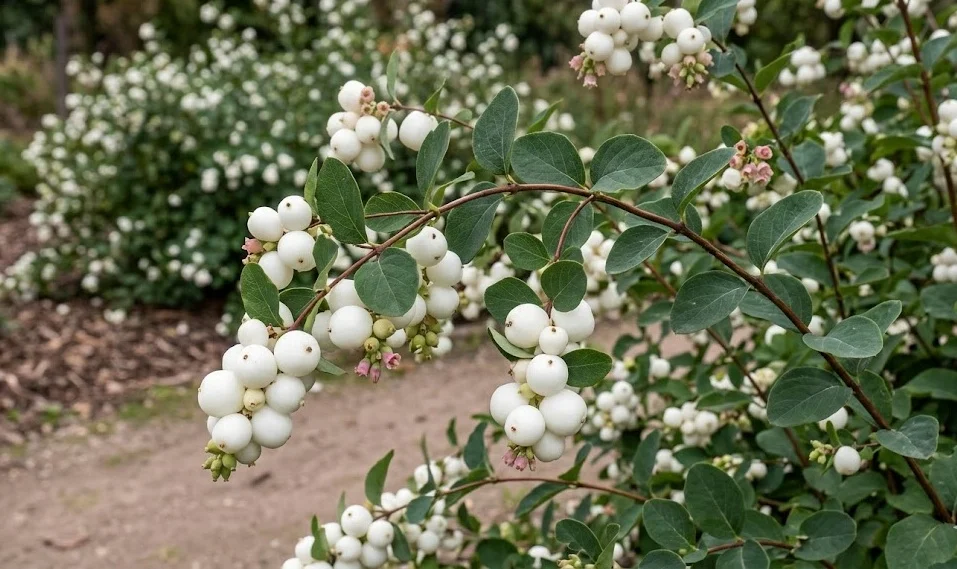

Successfully establishing the common snowberry in a garden or professional landscape begins with a well-planned planting process and a solid understanding of its reproductive potential. This hardy shrub is known for its ability to adapt to various conditions, but the initial stages of its life are critical for long-term health and vigor. Whether you are starting with nursery-grown specimens or propagating your own plants from existing stock, attention to detail is essential. This article outlines the professional methods for planting and multiplying this attractive and ecologically valuable species.
Choosing the right time of year to plant is the first step toward ensuring a successful establishment in the field. Ideally, planting should occur during the dormant season, either in the late autumn or the very early spring before the buds begin to swell. This allows the root system to settle into the new environment without the immediate stress of supporting a full canopy of leaves. Professional landscapers often prefer the autumn for planting, as it gives the roots several months to grow before the heat of summer arrives.
The preparation of the planting site is a fundamental task that should never be overlooked by serious gardeners or agricultural professionals. A hole should be excavated that is at least twice as wide as the root ball but no deeper than the container in which the plant was grown. This encourages the roots to spread horizontally into the surrounding soil, providing better stability and nutrient access. Professional standards dictate that the soil at the bottom of the hole should remain firm to prevent the plant from sinking too deep over time.
Once the shrub is in place, the backfilling process should be done carefully to eliminate air pockets that could dry out the roots. Using the native soil for backfilling is generally recommended, as it encourages the plant to adapt more quickly to the local conditions. Watering the plant thoroughly immediately after planting is a non-negotiable step that helps to settle the soil and provide essential hydration. Professional care during these initial moments is the best insurance policy for the future success of the snowberry plantation.
Site selection and soil preparation strategies
The common snowberry is highly adaptable, but selecting the ideal site will significantly reduce maintenance requirements and enhance the plant’s ornamental features. It thrives in positions that range from full sun to partial shade, making it a flexible choice for various parts of the garden. In its natural habitat, it is often found near water sources or at the edge of forests, where the soil remains somewhat moist. Identifying a location that provides adequate space for its mature spread is a mark of professional planning.
More articles on this topic
Before any digging begins, a professional evaluation of the soil’s drainage and composition is necessary to ensure it meets the plant’s requirements. While the snowberry can tolerate heavy clay, it will perform much better if the soil is amended with organic matter to improve its structure. Assessing the site for potential competition from aggressive weeds or other established plants is also an important part of the preparation phase. A clean and well-prepared site allows the young shrub to focus its energy on root development rather than competing for basic resources.
Wind exposure and microclimate factors should also be considered when choosing the permanent home for a new snowberry. While the plant is very hardy, protection from the most severe winter winds can prevent desiccation and damage to the younger stems. In urban settings, considering the impact of reflected heat from walls or pavements can help in placing the plant where it will not be overly stressed. Professional gardeners always look at the “big picture” of the landscape when deciding on the best possible location for a new addition.
Finalizing the site preparation involves clearing away any existing vegetation and ensuring the area is level and ready for planting. Some professionals choose to incorporate a small amount of organic fertilizer into the planting area to provide a gentle boost for the new shrub. However, it is important not to over-fertilize at this stage, as it can lead to excessive top growth at the expense of the roots. A balanced and thoughtful approach to site selection and preparation is the hallmark of professional horticultural practice.
Professional techniques for successful planting
When the time comes to actually place the common snowberry into the ground, a systematic and careful approach is required. Removing the plant from its nursery container should be done gently to avoid damaging the delicate fine roots that are essential for water uptake. If the plant is root-bound, a professional will lightly score the sides of the root ball to encourage the roots to grow outwards. Placing the shrub at the correct depth—where the soil line matches the previous container level—is vital for its long-term survival.
More articles on this topic
Watering during the planting process can help to settle the soil around the roots and ensure there are no hidden gaps. Many professionals fill the planting hole with water and let it drain before placing the plant, ensuring that the surrounding soil is deeply hydrated. This technique is particularly useful in drier climates or when planting during a period of low rainfall. Consistency in these small details is what separates a professional installation from a casual gardening project.
Mulching the area immediately after planting provides a protective barrier that helps the young shrub to settle in. A layer of organic mulch, such as wood chips or compost, should be spread around the base of the plant, extending out to the drip line. This layer helps to keep the roots cool and moist while preventing the growth of competing weeds that would steal nutrients. Professionals are careful to keep the mulch a few inches away from the main stems to prevent moisture from causing rot at the base.
The final step in the planting process is a thorough inspection of the work and a plan for follow-up care. Stakes are rarely needed for the common snowberry due to its low, bushy growth habit, but they may be used in exceptionally windy sites. Recording the planting date and the specific variety used is a good professional habit that helps with future maintenance and tracking. A successful planting operation concludes with the knowledge that the shrub has been given the best possible start in its new home.
Methods for propagating the common snowberry
Multiplying your stock of common snowberry is a rewarding and cost-effective way to expand your landscape or share plants with others. The most common professional method for propagation is through hardwood cuttings taken during the dormant season. These cuttings are typically taken from the current year’s growth and should be about six to eight inches long. By placing these cuttings in a well-drained medium, they will develop their own root systems by the following spring.
Softwood cuttings taken in the early summer are another effective way to propagate the snowberry, though they require more attention to moisture levels. These cuttings should be taken from non-flowering shoots and kept in a high-humidity environment until roots begin to form. Professionals often use rooting hormones to increase the success rate and speed up the development of a healthy root system. This method is ideal for those who want to produce a large number of plants relatively quickly during the growing season.
The snowberry also propagates itself naturally through suckering, which can be exploited by the gardener through a process called division. By carefully digging up and separating these suckers from the parent plant, you can create new, independent shrubs that are already partially established. This is a very reliable method because the new plants already have a developed root system and are genetically identical to the parent. Division is best performed in the early spring just as the plant is beginning to wake up from its winter rest.
Growing from seed is a more time-consuming process but can be used for large-scale restoration projects or for genetic diversity. The seeds are found inside the white berries and require a period of cold stratification before they will germinate successfully. Professional seed starters often mimic this natural process by refrigerating the seeds in a moist medium for several months. While it takes longer to produce a landscape-ready plant, growing from seed is a fascinating way to observe the entire life cycle of the species.
Initial growth care and establishment phase
The first two years after planting are the most critical for the establishment of the common snowberry. During this time, the plant is focusing its energy on building a robust root system that will support it during future droughts and stresses. Regular watering is essential during this phase, especially during the dry summer months when young plants are most vulnerable. A professional approach involves deep, infrequent watering that encourages the roots to grow deep into the soil profile.
Monitoring for any signs of transplant shock is an important part of the initial care routine for new shrubs. Symptoms can include wilting, yellowing leaves, or a general lack of growth, which may indicate that the plant is struggling to adapt. Adjusting the watering schedule or providing temporary shade can help a struggling plant to recover its vigor. Professionals know that patience is a virtue during the establishment phase, as the plant may not show significant top growth until the roots are firmly settled.
Weed management is also a priority during the early years to ensure the young snowberry does not have to compete for light and nutrients. Keeping the mulched area clear of invasive grasses and broadleaf weeds will allow the shrub to expand its canopy and root zone more quickly. Manual weeding is often preferred in professional settings to avoid the risk of herbicide damage to the young and sensitive plant tissues. A clean environment around the base of the shrub promotes better air circulation and overall health.
As the shrub begins to put on new growth, light pruning can be used to encourage a bushier habit and a stronger framework. Removing any dead or damaged stems immediately after they are noticed will prevent potential health issues from spreading. Professional gardeners use this time to observe the plant’s natural form and begin guiding it toward its desired role in the landscape. Successful establishment is the result of consistent, professional attention during these formative years of the plant’s life.