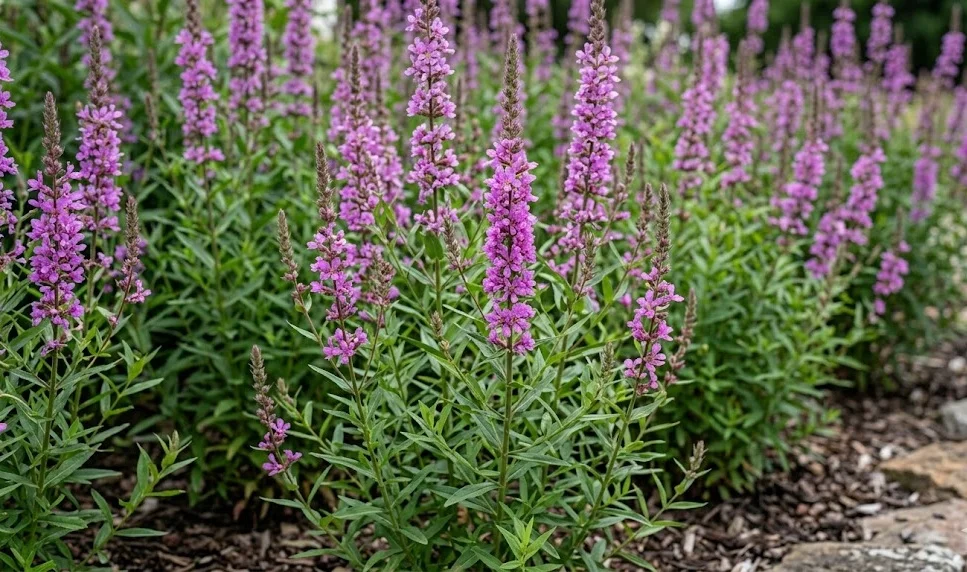

As the growing season draws to a close and the first hints of winter appear in the air, your focus must shift toward protecting your garden for the coming months. Wand loosestrife is a hardy perennial, but a professional approach to overwintering ensures that it returns with maximum vigor in the spring. Taking a few simple steps in the late autumn can make a significant difference in the survival rate and health of your plants. Proper winter care is the final act of a successful year in the garden and the first step toward the next one.
Preparation for winter actually begins long before the first frost arrives on your doorstep in the autumn. A plant that has been well-watered and properly nourished throughout the summer will be much better equipped to handle the stresses of cold weather. You should avoid applying any high-nitrogen fertilizers late in the season, as this can encourage tender new growth that is easily damaged by frost. A professional gardener understands that the work done in August and September directly impacts how a plant performs in January.
The natural cycle of a perennial involves a period of dormancy where the above-ground parts of the plant wither and die back. This is a survival strategy that allows the plant to protect its most vital parts—the roots and crown—beneath the insulating layer of the soil. Your role during this time is to provide a little extra protection to help moderate the extreme temperature fluctuations that can occur. By working with the plant’s natural rhythms, you ensure a smooth transition through the coldest months of the year.
Winter in a temperate climate can bring many challenges, from deep freezes and heavy snow to cycles of freezing and thawing. Each of these conditions affects your plants in different ways, and a professional approach involves preparing for all of them. Whether your garden is in a relatively mild area or one that experiences harsh winters, these guidelines will help you keep your perennials safe. Every small effort you make now will be rewarded when the first green shoots emerge in the spring sun.
Autumn preparations and cleanup
One of the first tasks of the late autumn is to decide how to handle the spent foliage and stems of your wand loosestrife. Some gardeners prefer to cut the plants back to within a few inches of the ground as soon as the first hard frost has turned the leaves brown. This creates a neat and tidy look for the winter garden and can help to reduce the number of hiding spots for pests. A clean garden in the autumn often leads to fewer problems when the weather warms up in the spring.
More articles on this topic
Alternatively, you may choose to leave the stems standing through the early part of the winter to provide visual interest and a habitat for beneficial insects. The tall spikes of seed heads can look quite beautiful when covered in a light dusting of frost or snow. If you choose this route, you will simply need to do your cleanup in the early spring before the new growth begins to emerge. A professional garden design often takes into account how plants will look during their dormant phase as well as when they are in bloom.
Regardless of when you choose to cut the plants back, it is important to remove any fallen leaves or debris from the area around the base. This material can sometimes harbor fungal spores or insect eggs that you don’t want staying in your garden through the winter. Disposing of this waste in a compost pile or through a municipal green waste program is a responsible and professional choice. A clean and clear garden bed is the best foundation for a healthy spring start for all your perennials.
Finally, take a moment to ensure that the soil around your plants is well-hydrated before the ground freezes solid for the winter. Plants that are going into dormancy with adequate moisture in their root systems are much more likely to survive extreme cold without damage. If the autumn has been particularly dry, give your garden one last deep and thorough watering before you put your tools away for the season. This simple act of care provides a vital reservoir of moisture that the plant can draw upon throughout the winter.
Protective mulching techniques
Mulching is perhaps the most effective tool a gardener has for protecting the sensitive crowns and roots of perennials during the winter. A layer of organic material acts as an insulating blanket, helping to keep the soil temperature more stable and preventing the ground from freezing and thawing too rapidly. This constant shifting of the soil, known as frost heaving, can sometimes push plants right out of the ground, exposing their roots to the cold air. A professional mulching routine is the best insurance against this common winter problem.
More articles on this topic
The best materials for winter mulching include shredded bark, wood chips, or even a thick layer of straw or fallen evergreen boughs. You should aim for a layer that is about three to four inches thick to provide adequate insulation for the root zone. Avoid using materials that can become matted and soggy, such as whole maple leaves, as these can restrict air flow and lead to rot. A professional approach involves choosing the right material for the specific needs of your garden and climate.
When applying your winter mulch, be careful not to pile it directly against the stems or the crown of the plant itself. This can create a moist environment that encourages rot and provides a perfect hiding spot for small rodents that might chew on the bark. Instead, create a “donut” shape with the mulch, leaving a small space around the center of the plant while covering the soil over the roots. This simple technique provides all the benefits of insulation without the risks associated with excessive moisture at the crown.
In very cold climates, you might consider an even more substantial layer of protection for your most prized or delicate specimens. Piling up extra snow around the base of the plants is actually a great way to provide natural insulation, as snow is full of trapped air. If you don’t have enough snow, a cage made of chicken wire filled with dry leaves can also work wonders for overwintering. Professional gardening is often about being creative and using the resources you have to protect your living investments.
Managing container plants in winter
If you are growing wand loosestrife in containers, you will need to take extra precautions to ensure they survive the winter months. Because the roots are above ground and surrounded by a relatively small amount of soil, they are much more vulnerable to freezing than plants in the ground. A container can experience much more dramatic temperature swings, which can be very stressful for even the hardiest of perennials. A professional approach to container care is essential for anyone who enjoys gardening in pots and planters.
One of the best strategies for container plants is to move them to a more sheltered location, such as against a south-facing wall or into an unheated garage or shed. This provides protection from the worst of the wind and helps to moderate the temperature around the pots. If you can’t move the containers, you can wrap them in several layers of bubble wrap or burlap to provide a bit of extra insulation. Treating your container plants with this level of care ensures they will be ready to grow again as soon as the spring arrives.
Another effective technique for overwintering pots is to “heel them in” by burying the entire container in a spare patch of garden soil or a pile of mulch. This surrounds the pot with the natural insulation of the earth, mimicking the conditions of a plant growing in the ground. This is a common practice in professional nurseries and is a great way to protect a large number of container plants with minimal effort. It is a practical and effective solution for anyone with limited indoor storage space for their garden pots.
Don’t forget that even dormant plants in containers will still need a small amount of water during the winter to keep their roots from drying out completely. Check the soil moisture levels once every few weeks, especially during a dry or windy spell when evaporation can be high. You only need to provide enough water to keep the soil from becoming bone dry, as too much moisture in a cold pot can quickly lead to root rot. A professional gardener stays mindful of their plants’ needs even when they are hidden away for the winter.
Spring revival and transition
As the days begin to lengthen and the temperatures start to rise, you will eventually see the first signs of life returning to your garden. This is an exciting time for any gardener, but it is important not to rush the process of removing your winter protection. Late spring frosts can still occur and can easily damage the tender new shoots that are just starting to emerge from the ground. A professional transition into the growing season involves a gradual and careful approach to spring garden tasks.
Start by gently pulling back some of the mulch from around the crown of the plant to allow the soil to warm up and the new growth to push through. If you used a heavy layer of straw or evergreen boughs, you can begin to remove these in stages over a period of a week or two. This allows the plant to gradually acclimate to the brighter light and cooler air of the early spring. Monitoring the weather forecast during this time is essential for making the right decisions for your garden’s health.
Once the danger of a hard frost has passed, you can finish your spring cleanup by cutting back any remaining dead stems from the previous year. Be careful not to damage the new green shoots that are appearing at the base of the plant as you work. This is also the perfect time to apply a fresh layer of high-quality compost or a balanced organic fertilizer to give the plants a boost. A professional start to the season sets the stage for a summer full of vibrant growth and beautiful flowers.
Take a moment to reflect on your overwintering success and make notes for the following year in your garden journal. You may find that certain protection methods worked better than others or that some parts of your garden stayed warmer than you expected. This process of continuous observation and learning is what turns a hobbyist into a professional-level gardener over time. Every season is a new opportunity to refine your techniques and create a more beautiful and resilient landscape.