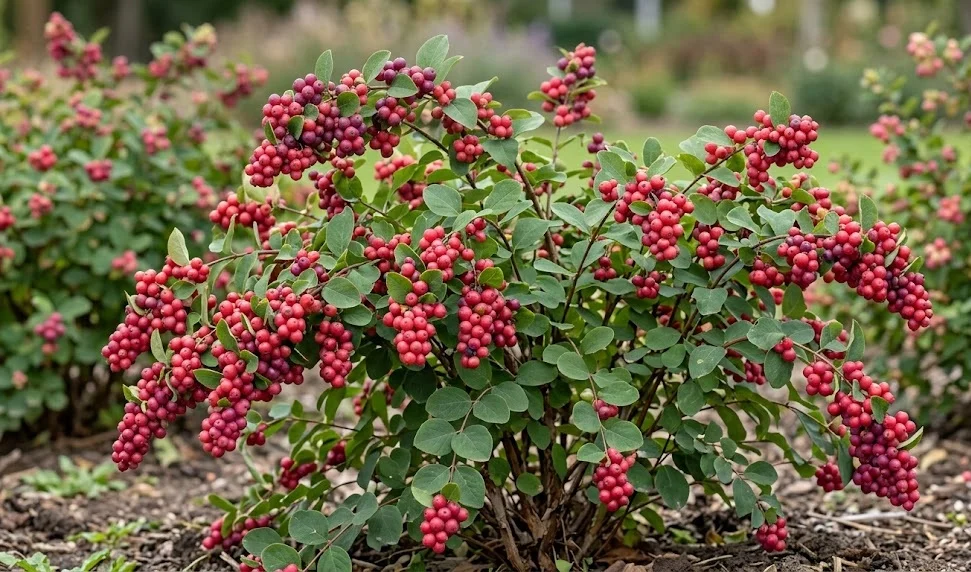

Preparing your shrubs for the challenges of the winter months is a vital task for any dedicated gardener or agricultural professional. While this species is known for its remarkable cold hardiness, providing extra protection during extreme weather can ensure it emerges in the spring with vigor. Overwintering involves more than just surviving the frost; it is about managing moisture, protecting roots, and preventing physical damage from snow and ice. By following a structured winter care routine, you can maintain the long-term structural integrity and health of your landscape.
The process of overwintering begins long before the first frost arrives in your garden. As the days grow shorter and the temperatures begin to drop in the autumn, the plant naturally starts to slow down its growth. You should stop applying nitrogen-rich fertilizers in the late summer to avoid encouraging new, tender growth that would be easily killed by freezing temperatures. This allows the shrub to focus its energy on hardening off its existing stems and preparing its root system for the coming dormancy.
One of the most important aspects of winter care is ensuring that the plant enters the cold season with adequate internal moisture. Deciduous shrubs like the coralberry continue to lose water through their stems even after they have dropped their leaves for the year. If the autumn has been particularly dry, you should provide several deep waterings before the ground freezes solid. A well-hydrated plant is much more resistant to the drying effects of cold winter winds and frozen soil.
The physical environment around the base of the shrub should be cleared of any debris that could harbor pests or pathogens over the winter. Fallen leaves from other trees or diseased plant matter should be removed and composted or disposed of properly. This simple act of sanitation reduces the risk of fungal spores staying close to the plant and infecting the new growth in the spring. Keeping the area tidy also makes it easier to inspect the shrub for any signs of winter damage or animal activity.
Protecting the root system and soil
The root system is the most vulnerable part of the plant during the winter, especially in regions where the ground freezes deeply. Applying a fresh layer of organic mulch around the base of the shrub provides a vital insulating blanket for the earth. This layer helps regulate soil temperatures, preventing the damaging cycle of rapid freezing and thawing that can push plants out of the ground. A thickness of three to four inches is generally recommended for maximum effectiveness in cold climates.
More articles on this topic
When applying winter mulch, it is crucial to keep the material several inches away from the actual stems of the shrub. If the mulch is piled against the wood, it can trap moisture and create an environment that encourages rot and fungal growth. It can also provide a hidden highway for small rodents like voles to reach the bark and chew on it during the winter months. A professional mulching technique looks like a wide donut around the plant rather than a volcano piled against the center.
In areas with sandy or very light soil, the roots are even more susceptible to temperature fluctuations and dehydration. You might consider adding a bit of compost under the mulch to improve the soil’s density and its ability to hold onto whatever moisture is available. This added organic matter also provides a slow release of nutrients as it breaks down, which the plant can use as soon as it wakes up in the spring. Protecting the soil structure is a key part of long-term landscape health.
If you are growing your coralberry in a container, the overwintering process is much more involved than for plants in the ground. Pots do not have the natural insulation of the earth, and the roots can easily freeze solid, leading to the death of the plant. You should move containers to a sheltered spot, such as an unheated garage or against a south-facing wall, and wrap them in insulating materials like burlap or bubble wrap. Regular checks on soil moisture are still necessary for potted plants, as they can dry out quickly even in the winter.
Managing physical damage and wildlife
Winter winds can be surprisingly damaging to shrubs, causing mechanical breakage and severe dehydration of the stems. If your plant is in a particularly exposed location, you might consider building a simple windbreak using burlap and wooden stakes. This barrier reduces the force of the wind and helps maintain a slightly more stable microclimate around the branches. It is important that the burlap does not touch the plant directly to avoid transferring cold and moisture to the bark.
More articles on this topic
Heavy snow and ice can also pose a physical threat to the structural integrity of the coralberry. The weight of an ice storm can bend branches to the point of snapping, especially if the shrub has not been properly pruned. After a significant snowfall, you can gently brush the snow off the branches with a broom using an upward motion to prevent further stress. Never try to break ice off a branch, as the wood is very brittle when frozen and you will likely cause more harm than good.
Wildlife can become a major issue during the winter when other food sources are scarce in the landscape. Rabbits and deer may find the bark and stems of the coralberry to be an attractive snack, which can girdle the plant and kill it. Installing a wire mesh cage around the base of the shrub is a professional way to prevent this type of animal damage. The cage should be buried a few inches into the ground and stand at least two feet high to be effective against most common garden visitors.
Inspecting the shrub periodically throughout the winter allows you to catch any problems before they become catastrophic. You should look for signs of animal chewing, split bark from temperature swings, or branches that have been broken by the wind. If you find a broken branch, you can make a clean cut at the next healthy bud to prevent the wound from tearing further. Staying active in your garden during the cold months is the mark of a truly dedicated and professional horticulturalist.
Early spring transition and recovery
As the days begin to lengthen and the temperatures rise, the shrub will slowly start to emerge from its winter dormancy. This transition period is a delicate time when the plant is vulnerable to late spring frosts that can damage new buds. You should wait until the danger of a hard freeze has passed before you remove any winter protection or perform heavy pruning. Observing the local weather patterns and being patient will help ensure that the new growth is not lost to a sudden cold snap.
Cleaning up the winter mulch and any remaining debris is one of the first tasks of the new growing season. You can pull the mulch back a bit further from the base to allow the soil to warm up more quickly in the sun. If the mulch has broken down significantly, you can work some of it into the top layer of soil and then add a fresh layer on top. This cycle of renewal keeps the soil healthy and ensures that the shrub has a great start for the year.
The first signs of life are usually the swelling of the buds along the stems, which signals that the sap is beginning to flow again. If you notice any stems that appear completely dead or do not show signs of budding, you can perform a “scratch test” on the bark. Gently scratching a tiny bit of bark away should reveal green tissue underneath if the stem is still alive. If it is brown and dry all the way through, that portion of the plant did not survive the winter and should be removed.
Finally, providing a light application of a balanced fertilizer in early spring will give the plant the nutrients it needs to produce a flush of new leaves. Combined with the moisture from spring rains, this support will help the coralberry recover from the stress of the winter months. A professional gardener knows that the care given during the winter and early spring defines the beauty of the plant for the rest of the year. With proper overwintering, your coralberry will continue to be a resilient and stunning part of your outdoor space.